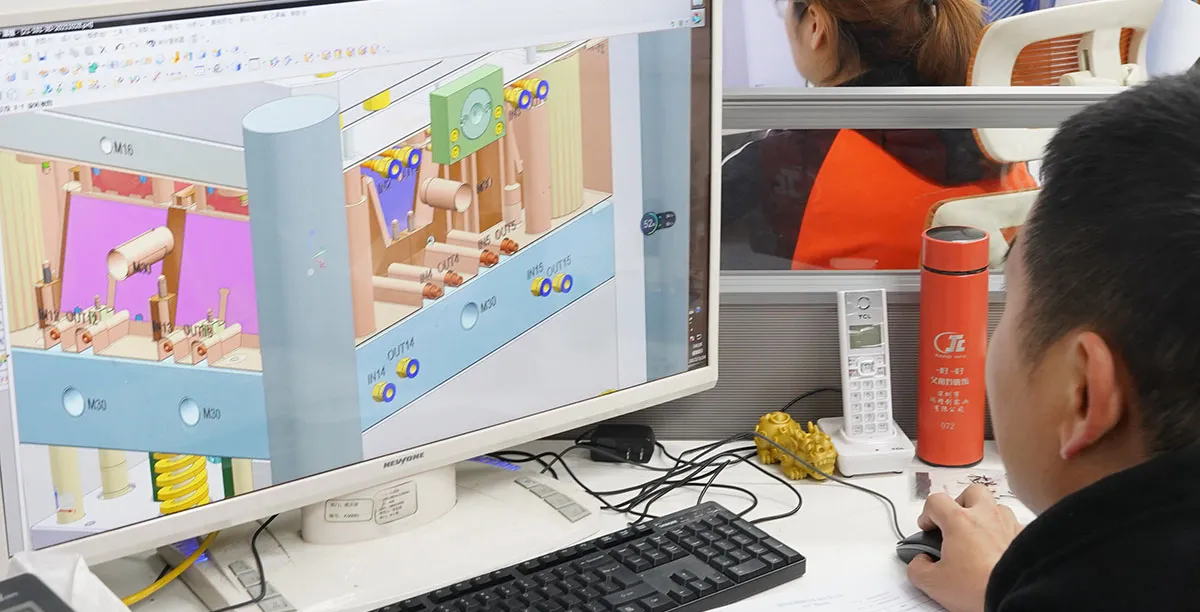

A successful prototype is often only the first step
After 15 years in rapid manufacturing, I have become more convinced of one thing: many product development failures do not happen because the idea is bad, or because the engineers are not working hard enough. They happen because the team believes in “prototype success” too early.
When a prototype is made, the appearance looks good, the structure fits together, and both the client and investors feel the product is almost finished. But from a manufacturing point of view, this is often just the first step. A prototype can prove that an idea looks workable, but it cannot prove that the product is ready for stable mass production.
Making one piece does not mean you can make ten thousand
The prototype stage creates one of the most dangerous illusions: if you can make one, you can make ten thousand. The reality is exactly the opposite. Making one sample often depends on machining experience, manual adjustment, and temporary fixes. Mass production, however, depends on stable materials, reasonable structure, controlled tolerances, mature tooling, and repeatable assembly results.
We have seen many projects where the early prototype stage went smoothly, but once the project moved into injection molding, problems broke out all at once: uneven wall thickness caused sink marks, insufficient draft angles affected demolding, thin snap-fit areas broke easily, and housing gaps became unstable after assembly. In the end, the real problem was not that our mold department had failed to do its job, but that the product design had never been validated with production logic during the prototype stage.
Prototype processes cannot replace production validation
This is also what many teams overlook most easily: 3D printed prototypes, CNC-machined samples, and vacuum-cast parts all have their own value, but they cannot replace production validation.
3D printing is useful for checking the appearance and internal space. CNC machining is useful for validating strength and assembly. Vacuum casting is useful for small-batch testing. But if the final product is going to be injection molded, then plastic flow, shrinkage, warpage, parting lines, gate location, rib design, and mold life must be considered early.
“We’ll optimize manufacturing later” is usually expensive
I do not really agree with the idea of “let’s make the prototype first and optimize manufacturing later.” It sounds flexible, but in practice, it is often expensive. Once the product structure is locked in, later changes are not just changes to the drawings. They may mean modifying the mold, changing the assembly method, switching materials, or even revalidating the entire product.
In many later projects, we held firmly to one principle: manufacturing review should not wait until just before mold making. It must get involved during the prototype stage. Pointing out risks in wall thickness, undercuts, tolerances, assembly, and materials a little earlier may seem to slow down development at first, but it prevents much bigger rework later.
The real question is whether the product can be made repeatedly and reliably
Reliable product development should not start by asking, “Can we make one sample?” It should start by asking, “Can this design be manufactured repeatedly and reliably?”
A prototype is important, but it is not the finish line. It is a tool for helping the team discover problems, not proof that the product is already mature. For a product to move from idea to market, it needs more than a good-looking appearance and a working sample. It needs material thinking, tooling thinking, assembly thinking, and cost thinking.
The best time to solve a manufacturing problem is not after the mold is finished. It is while the design can still be changed.
























Sign in to leave a comment.