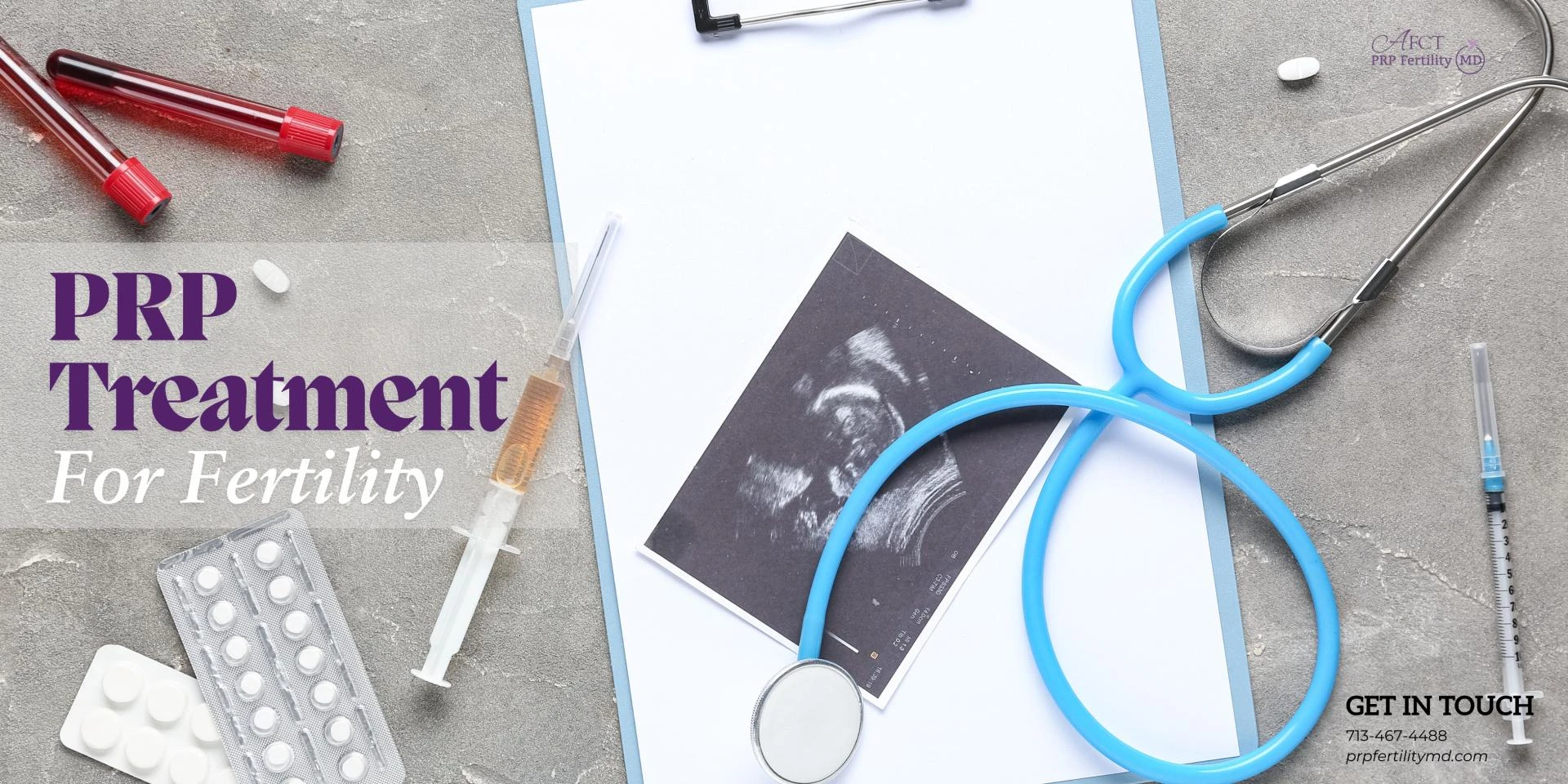

Fertility treatments keep evolving, and every new option brings a mix of excitement and uncertainty. PRP fertility treatment is one of the newer approaches getting serious attention. Some people describe it as a breakthrough. Others aren’t sure what to make of it. So what’s actually true?
If you’re looking into fertility care, it’s easy to feel overwhelmed by conflicting information. PRP isn’t a miracle, but it can offer real hope. When you understand what it is, how it works, and what it can do, you’ll see the bigger picture more clearly. And when things are clear, making decisions feels a lot less stressful.
What is PRP Fertility Treatment?
PRP stands for platelet-rich plasma. Doctors create it using a small sample of your own blood. They put the blood in a machine that spins it to separate its parts. This process concentrates the platelets, which contain growth factors that help tissues repair and renew themselves.
In fertility care, doctors use PRP to support either the ovaries or the uterus. When it is injected into the ovaries, it may help them work better and support egg growth. When placed in the uterus, PRP may help improve the uterine lining, which plays a key role in embryo implantation.
PRP isn’t new. Doctors have used it for years in sports and cosmetic treatments to help the body heal faster. It is new for fertility, but the idea is the same: use the body’s own healing power so that it works better.
Myth 1: Infertility Can Be Fixed With PRP
Fact: No, it can help women with low ovarian reserve or a thin uterine lining, but it is not a cure for infertility.
PRP works best if it is used with another fertility treatment plan, but it doesn’t replace them or guarantee pregnancy.
Myth 2: PRP is Not Safe
Fact: PRP is safe and minimally invasive
Since PRP is new in fertility treatment, people think it is risky. But it only uses your own blood, which helps lower the risk of allergies or rejection. The procedure won't take up much of your time, but it can cause a little discomfort.
Most patients only have mild side effects, like temporary cramping. Research is still ongoing, and doctors continue to study the long-term results. That’s how medical innovation works. If you choose an experienced clinic and ask questions during your consultation, it will boost your confidence.
Myth 3: IVF Will Be Successful If It's Done With PRP
Fact: PRP can help with IVF, but it's not certain that it will be successful
It’s easy to assume that PRP will improve the IVF process, especially since some marketing makes it sound that way. (It is not proven that the treatment will succeed, but it can help women with uterine lining or ovarian reserve.
IVF's success depends on factors like the quality of the embryo and maternal age. PRP is an extra support, not a replacement or guarantee of pregnancy.
Myth 4: PRP is Only for Aged Women
Fact: No, a patient of any age can try it.
Younger patients with certain fertility challenges, such as low ovarian reserve, repeated IVF failure, or thin uterine lining, can also try PRP treatment. (Doctors look at the full medical history, not just age, when they have to decide if this treatment could help).
Myth 5: PRP Can Be Used Instead of Other Fertility Treatments
Fact: PRP is used with standard fertility treatments only.
In reality, it is just a therapy that supports existing ongoing fertility treatments. It is not a substitute for them. Doctors usually combine the PRP with other standard treatments to strengthen the performance
Fertility care rarely follows a one-size-fits-all model. Specialists tailor treatment to each patient, selecting tools that work together. PRP is one of those tools. It adds support, but it doesn’t stand alone.
What Does Current Research Suggest?
People have taken an interest in PRP, and early research shows positive signs. Some studies report improvements in ovarian response and uterine lining for selected patients. Some women who faced fertility challenges have seen real benefits, but researchers say more studies are needed. Medicine progresses gradually, and PRP is part of that ongoing progress. It’s promising, but it’s still developing. That’s why honest conversations with a fertility specialist matter so much. A good doctor will walk you through both the potential advantages and the limits.
Who Might Consider PRP Fertility Treatment?
PRP isn’t needed for everyone, but some women with
- Diminished ovarian reserve
- Thin uterine lining
- Repeated IVF implantation failure
- Looking for extra support alongside standard fertility treatments
Can discuss it with their doctors. Doctors who will do the evaluation can check if PRP is right for you. What works for you may not work for another person, so personal guidance is important.
What Will Happen During The Treatment?
The procedure is simple and will be done in a clinic. The doctor will take a small blood sample, prepare the platelet-rich plasma, and inject it into the ovaries or uterus using ultrasound.
The visit will usually take less than an hour, and most patients will go back to normal the same day and may feel mild cramping or discomfort, but there are no serious complications. Doctors will monitor your response and adjust the plan if needed.
Be Realistic
Fertility is something very personal and emotional. PRP can give hope, especially for those who’ve faced repeated failures. But hope is valuable and works best when a patient has clear and accurate information.
PRP is an interesting treatment. It uses the body’s natural healing and helps carefully selected patients. The best results come when experienced doctors guide the process and include it as part of a thoughtful treatment plan.
Final Thoughts
There’s a lot of mixed information about PRP. Some sources oversell it, while others dismiss it too quickly. The reality sits somewhere in the middle.
PRP is a new treatment with increasing research. For some patients, it can provide real support. For some people, traditional treatments may still be the best option. Patients should make decisions based on correct information and professional advice.
If you’re thinking about getting PRP done, talk with a fertility specialist and ask questions. Take time to learn what it offers. When realistic expectations meet informed optimism, you’re in a much better position to choose the path that fits your goals.



Sign in to leave a comment.