
Introduction
Are you tired of the constant red patches and itching that psoriasis brings? Have you been searching for answers on what causes this skin condition and how to treat it? Look no further, as we dive into the diagnosis and treatment options available for those living with psoriasis. From topical creams to light therapy, we explore ways to manage symptoms and improve your quality of life. Get ready to say goodbye to the frustration of psoriasis, and hello to a clearer, healthier complexion!
What is psoriasis?
Psoriasis is a common and chronic skin disorder that causes skin cells to grow too quickly, resulting in thick, scaly patches on the skin. It is not contagious and cannot be passed from person to person. The exact cause of psoriasis is unknown, but it is thought to be due to a combination of genetic and environmental factors. There is no cure for psoriasis, but it can be managed with treatment.
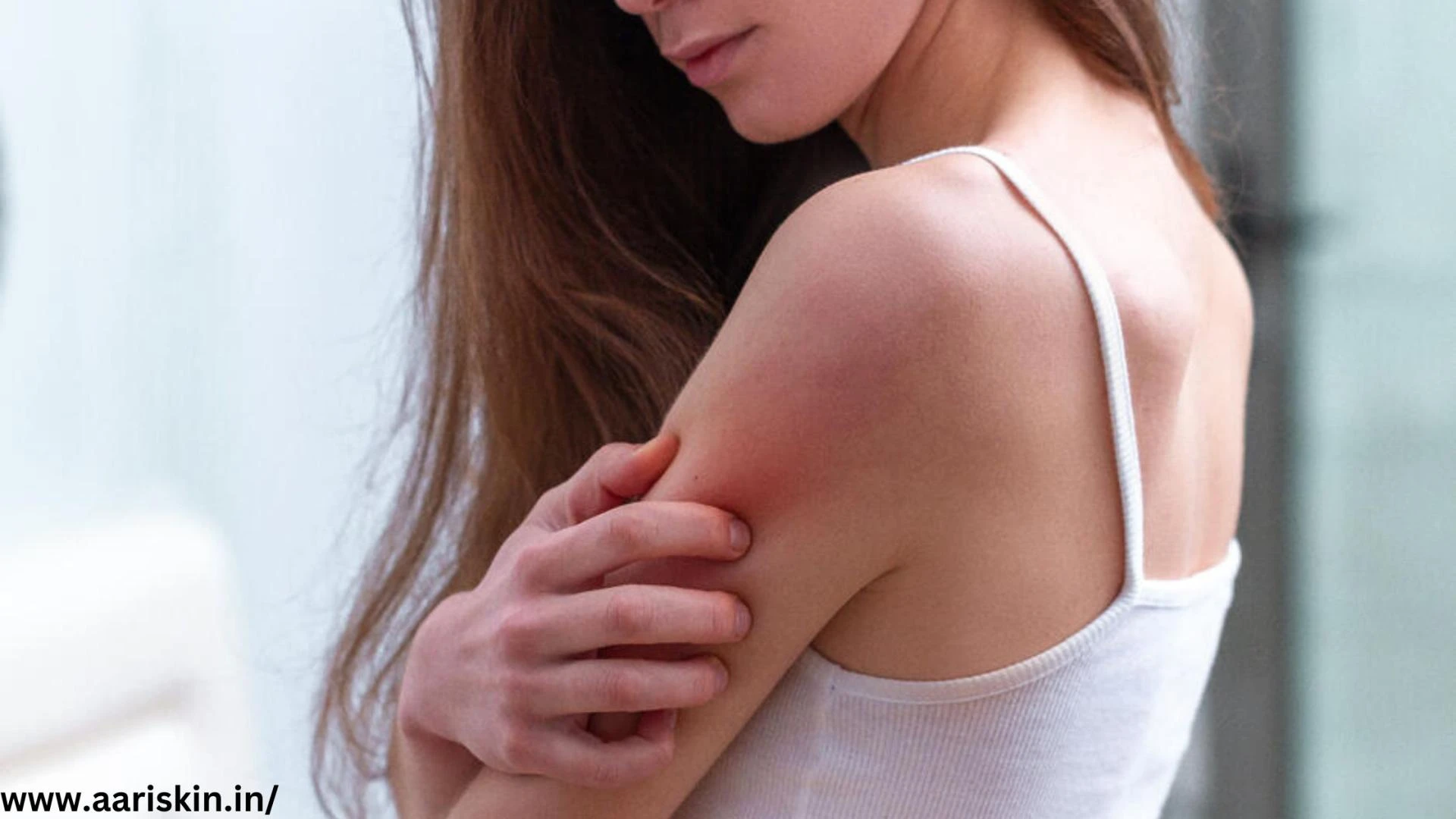
Most people with psoriasis have patches of thick, red skin with silvery scales. These patches can itch or feel sore. They are often found on the elbows, knees, lower back, and scalp. But they can occur anywhere on the body. Some people with psoriasis also have joint pain. This is called psoriatic arthritis.
There are several types of psoriasis, including plaque psoriasis (the most common type), guttate psoriasis, inverse psoriasis, and pustular psoriasis. Plaque psoriasis typically appears as raised, red patches covered with a build-up of dead skin cells (scale). Guttate psoriasis often starts in childhood or young adulthood following a strep throat infection; it presents as small drops of redness on the skin. Inverse psoriasis occurs in areas where skin rubs together such as under the breast or arm pits; it appears as smooth red lesions without scale that worsen with sweating or friction. Pustular ps
Types of psoriasis
Psoriasis is a chronic skin condition that causes the rapid growth of skin cells. The most common type, plaque psoriasis, appears as patches of raised, red skin covered with silvery scales. It typically affects the elbows, knees, and lower back, but can appear anywhere on the body.
Other types of psoriasis include:
Guttate Psoriasis- Small, water-drop-shaped sores
Inverse Psoriasis- Smooth, red patches found in the folds of the skin near the genitals, under the breasts, or in other areas where skin touches skin
Pustular Psoriasis- White pustules surrounded by red skin
Erythrodermic Psoriasis- Widespread reddening and scaling of the skin
Nail Psoriasis- Yellowing, thickening or detachment of the nail; pitted nails
Scalp Psoriasis- Flaky scalp
How is psoriasis diagnosed?
Psoriasis is usually diagnosed by a physical examination and medical history. Your best dermatologist in Jaipur may ask you about your family history of psoriasis and any other health conditions you have. He or she will also examine your skin for signs of psoriasis.
If you have psoriasis, your skin will likely have one or more of the following:
- Red patches of skin covered with thick, silver-colored scales
- Dry, cracked skin that may bleed
- Itching, burning, or soreness
- Thickened, pitted, or ridged nails
- Swollen and painful joints
Your doctor may also perform a biopsy of your skin. In this test, a small sample of skin is removed and examined under a microscope. This can help confirm the diagnosis if there is any doubt.
How is psoriasis treated?
Psoriasis can be a difficult condition to treat, as it is often recurring and can vary in severity. There are a number of different treatment options available, and the best course of action will be determined by a healthcare professional based on the individual case.
Topical treatments are usually the first line of defense against psoriasis, as they are relatively easy to use and have few side effects. These include corticosteroids, vitamin D analogues, retinoids, calcineurin inhibitors, and others. If topical treatments are not effective, or if the psoriasis is more severe, systemic treatments may be recommended. These include oral or injected medications that work throughout the body to reduce inflammation. Phototherapy is another option that can be used alone or in conjunction with other treatments. This involves exposure to ultraviolet light on a regular basis, which can help to slow the growth of skin cells and reduce inflammation.
Living with psoriasis
"Living with psoriasis"
If you have psoriasis, you know that it's more than just a skin condition. It can affect your quality of life in many ways. The good news is there are treatments that can help.
The first step is to see a doctor or dermatologist to get a proper diagnosis. Once you know what type of psoriasis you have, you can work with your doctor to find the best psoriasis treatment in Jaipur for you. This may involve trying different medications or therapies.
It's important to keep your skin moisturized and protected from the sun. Be sure to use gentle, non-irritating products on your skin. And avoid scratching, which can cause further irritation and even infection.
Psoriasis can be a challenge, but you don't have to go through it alone. There are many resources available to help you manage your condition and improve your quality of life."
Conclusion
Psoriasis is a common skin condition that can be very unpleasant and difficult to manage. It’s important to have a proper diagnosis, so you know exactly what kind of psoriasis you have and how best to treat it. The treatment options available vary depending on the type and severity of your psoriasis, but there are a variety of treatments that can help ease symptoms and control flare-ups. With proper diagnosis and treatment, most people with psoriasis can achieve remission or good symptomatic relief.





















Sign in to leave a comment.