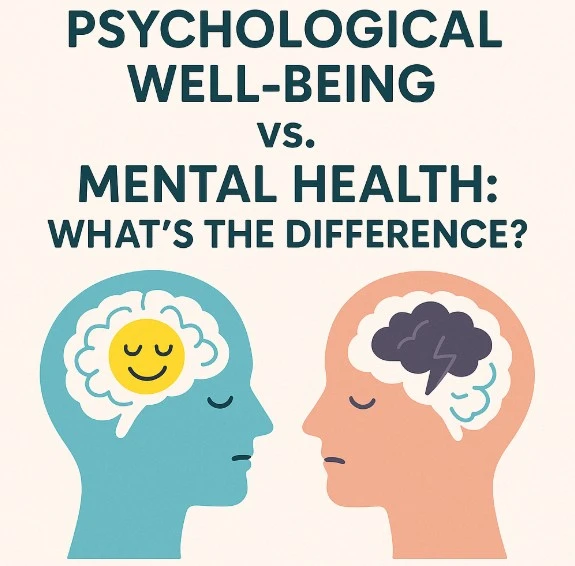

When we talk about taking care of our minds, we often hear terms like mental health and psychological well-being used interchangeably. While they are deeply connected, they’re not exactly the same. Understanding the distinction between the two can empower individuals to make informed decisions about their emotional health, seek appropriate support, and live a more balanced life.
In this blog, we’ll break down the differences between psychological well-being and mental health, why both are important, and how the right psychology clinic or psychologist in Lucknow can guide you toward both.
Defining Mental Health: The Foundation of Emotional Functioning
Mental health is commonly defined as a person’s cognitive, emotional, and behavioral well-being. It includes how individuals think, feel, and act as they cope with life. Mental health also determines how people handle stress, relate to others, and make choices.
According to the World Health Organization (WHO), “Mental health is more than just the absence of mental disorders.” It’s a state of well-being in which an individual can realize their abilities, work productively, and contribute to their community.
In simpler terms, mental health is like physical health: it includes everything from day-to-day functioning to managing more serious issues like depression, anxiety, trauma, and bipolar disorder.
Common Signs of Mental Health Issues:
· Persistent sadness or irritability
· Excessive fears or worries
· Social withdrawal
· Substance abuse
· Sleep or appetite changes
· Difficulty in concentrating or functioning in daily life
Addressing mental health issues often requires support from professionals such as clinical psychologists, psychiatrists, or counselors who work in a psychology clinic. These experts diagnose, treat, and help manage mental disorders through therapy, medication, or both.
Understanding Psychological Well-Being: The Bigger Picture
Psychological well-being goes beyond just treating mental illness—it refers to how individuals perceive their lives, relationships, and sense of purpose. It’s more about flourishing rather than merely surviving. It emphasizes positive emotions, life satisfaction, autonomy, purpose, and personal growth.
In contrast to mental health—which can focus on eliminating distress—psychological well-being is about cultivating fulfillment, joy, and meaning.
Key Components of Psychological Well-Being:
Self-Acceptance – Knowing and accepting oneself, including strengths and weaknesses.
Autonomy – Making independent choices and resisting social pressures.
Personal Growth – Pursuing continuous development and self-improvement.
Purpose in Life – Having goals and a sense of direction.
Positive Relationships – Building supportive, meaningful connections.
Environmental Mastery – Effectively managing life and surrounding circumstances.
Even someone without a diagnosable mental illness can struggle with low psychological well-being. For instance, a person may not suffer from depression or anxiety but might still feel unfulfilled, isolated, or lacking purpose.
Psychological Well-Being vs. Mental Health: Key Differences
Aspect
Mental Health
Psychological Well-Being
Focus
Absence or management of mental illness
Presence of positive functioning
State
Stability, functioning, coping
Happiness, life satisfaction, flourishing
Indicators
Symptoms like anxiety, mood swings, etc.
Purpose, self-acceptance, positive emotions
Goal
Recovery and symptom management
Growth, fulfillment, and flourishing
Assessment Tools
Clinical diagnosis, screening tools
Life satisfaction scales, well-being indices
While mental health concerns may lead someone to a psychologist in Lucknow due to anxiety or depression, psychological well-being encourages proactive self-care even in the absence of distress—such as practicing gratitude, mindfulness, and building resilience.
Why the Distinction Matters
Understanding this distinction is crucial for both individuals and mental health professionals. Here’s why:
· Promotes Preventive Care: When people understand that psychological well-being is more than just not being sick, they may seek support earlier. This can help prevent issues from escalating into serious disorders.
· Encourages Personal Growth: Even when you’re mentally healthy, there’s always room to improve your sense of joy, purpose, and connection.
· Normalizes Seeking Support: You don’t have to wait for a crisis to talk to a therapist. Visiting a psychology clinic can help you explore goals, relationships, and life decisions—even when you’re doing “okay.”
· Tailors Treatment Plans: Professionals who recognize both aspects can design more holistic treatment plans—ones that not only alleviate distress but also build strengths and cultivate well-being.
· Real-Life Example: A Tale of Two Journeys
Consider two individuals:
Arun, a 32-year-old corporate employee in Lucknow, recently began experiencing panic attacks and insomnia. He visits a psychologist in Lucknow and is diagnosed with anxiety. His therapy sessions focus on managing symptoms, identifying triggers, and practicing coping strategies. This is mental health treatment.
Maya, a 28-year-old artist, isn’t suffering from any particular mental illness but feels stuck in life—creatively drained, disconnected from friends, and unsure of her future. Though outwardly functional, she seeks therapy to explore her values, improve relationships, and find purpose. This is work focused on psychological well-being.
Both benefit from professional support, but their needs and goals differ.
How a Psychology Clinic Helps Address Both
A well-established psychology clinic focuses on both dimensions. While some sessions may address clinical diagnoses like depression or PTSD, others may include:
· Life coaching
· indfulness practices
· Strengths-based counseling
· Goal setting and vision work
· Emotional regulation and resilience training
The goal is not just to survive, but to thrive.
Tips to Enhance Psychological Well-Being Daily
Even if you're not seeing a professional, here are some ways to boost your psychological well-being:
· Practice Gratitude: Write down 3 things you’re thankful for each day.
· Strengthen Relationships: Make time for friends, family, and community.
· Set Meaningful Goals: Work toward things that matter to you.
· Pursue Hobbies: Do things that spark joy—painting, dancing, reading.
· Stay Physically Active: Exercise supports not just physical but emotional health.
· Reflect Regularly: Journaling can help clarify thoughts and emotions.
· Seek Help When Needed: Therapy isn’t just for crises—it’s for growth too.
Why Choose a Psychologist in Lucknow for Both?
If you’re in or around Lucknow, finding the right support system is essential. A qualified psychologist in Lucknow can assess whether you’re struggling with a diagnosable condition or simply seeking more fulfillment in life. Either way, the goal is the same: to live a healthier, more meaningful life.
Whether you're navigating stress, seeking emotional clarity, or simply aiming to boost life satisfaction, choosing the right psychology clinic can make all the difference.
While mental health is essential for stable functioning, psychological well-being is the secret ingredient for a truly satisfying life. One ensures you’re managing, the other helps you flourish.
You don’t have to wait for things to fall apart before seeking help. A preventive, strength-based approach can enrich your quality of life, deepen relationships, and enhance your sense of purpose.
Looking for holistic support that addresses both your mental health and psychological well-being?
Sehaj Clinic is here for you. At Sehaj Psychology Clinic, we offer evidence-based therapy guided by licensed professionals, with a strong focus on confidentiality and ethical care. Whether in-person or online, our culturally sensitive, client-centered approach blends modern techniques with Indian values—ensuring compassionate support tailored to your mental well-being.
Let healing and growth begin—because you deserve more than just coping; you deserve to thrive.




























Sign in to leave a comment.