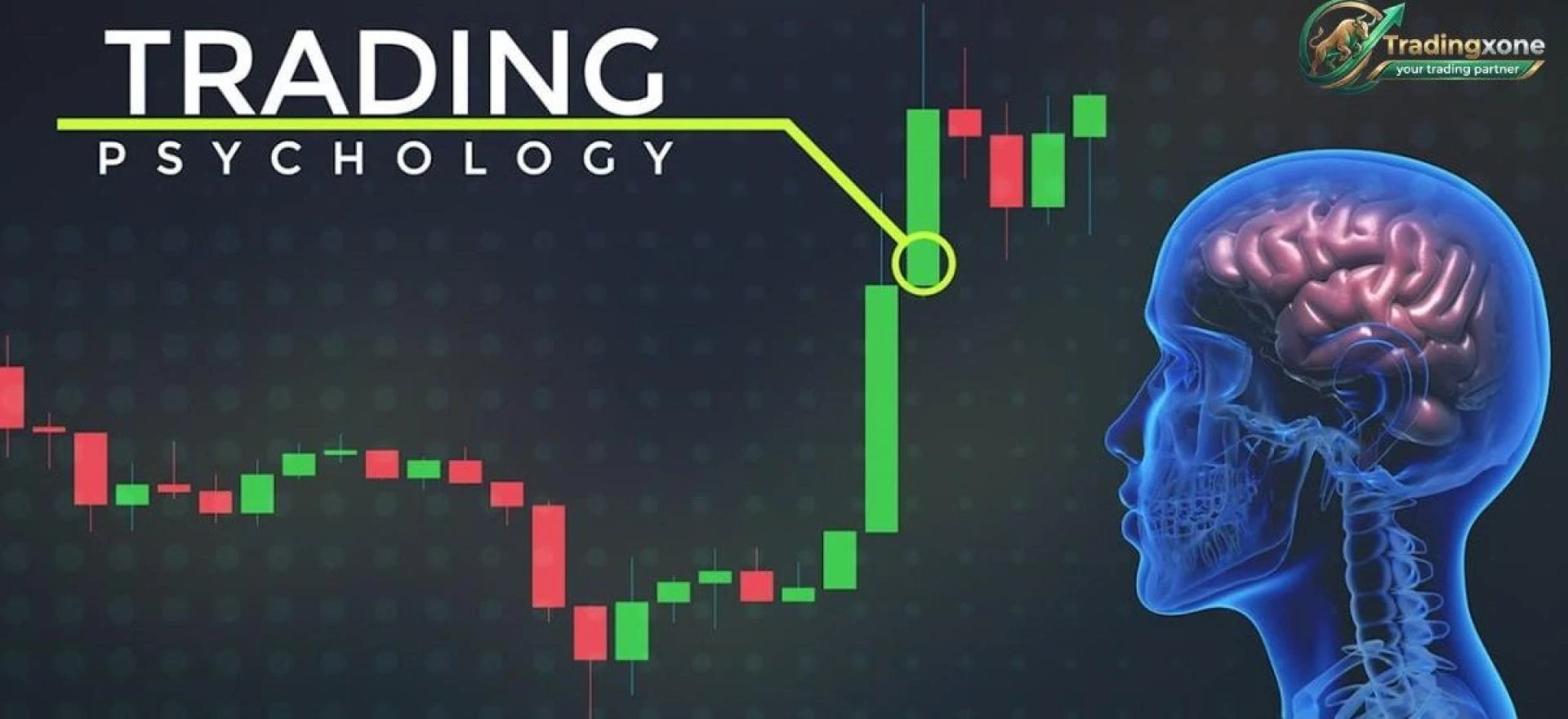

Forex trading is not just about charts, indicators, or strategies. It is a mental game. Many traders spend months learning technical analysis, but ignore the most powerful factor that influences their results, psychology. The truth is, your mindset often determines whether you succeed or fail in the forex market.
The market moves based on global events, economic data, and collective emotions. At the same time, your personal emotions influence every trading decision you make. Fear, greed, overconfidence, and impatience can quietly damage even the best strategy. That is why understanding psychology in forex trading is essential for long-term success.
At Trading Xone, traders are constantly reminded that mastering your emotions is just as important as mastering your strategy.
Why Psychology Matters More Than Strategy
Many beginners believe they only need a profitable strategy to succeed. But even a strong strategy can fail if the trader lacks emotional control. For example, you might have a solid plan, but if fear makes you close trades too early, you reduce your potential profits. If greed pushes you to overtrade, you increase your risk.
Forex trading involves uncertainty. No trade is guaranteed to win. When traders cannot accept this uncertainty, they start making emotional decisions instead of logical ones.
Professional traders understand that losses are part of the process. They focus on consistency and discipline rather than trying to win every trade.
The Role of Fear in Forex Trading
Fear is one of the most common emotions in trading. It appears in different forms:
- Fear of losing money
- Fear of missing out (FOMO)
- Fear of entering a trade
- Fear of holding a position
When traders risk too much money, fear becomes stronger. They panic when the market moves slightly against them and close trades too early. Or they hesitate and miss good opportunities.
Proper risk management reduces fear. When you risk a small percentage of your account, you feel more relaxed and confident. This calm mindset helps you follow your plan more effectively.
Trading Xone emphasizes that reducing risk automatically reduces emotional pressure, allowing traders to think clearly.
Greed: The Silent Account Killer
Greed is the opposite of fear but just as dangerous. It pushes traders to take unnecessary risks in search of bigger profits. After a few winning trades, some traders become overconfident and increase their lot size without proper planning.
Greed can also make traders hold winning trades too long, hoping for more profit, only to watch the market reverse.
The solution is discipline. Setting clear take-profit levels and sticking to them helps control greedy behavior. A structured plan keeps emotions under control and protects your gains.
Overtrading and Impatience
Many traders feel the need to be in the market all the time. They believe more trades mean more profit. In reality, overtrading often leads to more losses.
Impatience causes traders to enter trades without proper confirmation. They act on small price movements instead of waiting for strong setups.
The forex market provides opportunities every day. There is no need to rush. Patience allows you to wait for high-quality trades instead of random entries.
Learning to sit out when there is no clear setup is a powerful psychological skill.
Handling Losses the Right Way
Losses are unavoidable in forex trading. Even professional traders experience losing streaks. The difference is how they respond.
Some traders become emotional after a loss and try to recover quickly by taking bigger risks. This behavior, known as revenge trading, usually leads to more losses.
A healthier approach is to accept the loss, review the trade calmly, and move forward. Losses are part of the learning process.
At Trading Xone, traders are encouraged to see losses as lessons rather than failures. This mindset helps build emotional strength over time.
The Importance of Discipline
Discipline is the foundation of trading psychology. It means following your trading plan regardless of emotions. When you set rules for entry, exit, and risk, you must respect them consistently.
Discipline helps you:
- Stick to your risk limits
- Avoid impulsive trades
- Maintain consistency
- Build long-term confidence
Without discipline, even the best strategy becomes useless. Consistency comes from repeating good habits over time.
Building a Strong Trading Mindset
Developing a strong trading psychology takes time. It is not something that changes overnight. Here are some practical ways to improve your mindset:
1. Use Proper Risk Management
Risk only a small percentage of your account per trade. This reduces emotional stress.
2. Keep a Trading Journal
Write down your trades and emotions. This helps you understand your behavior and improve.
3. Accept Uncertainty
No strategy wins 100% of the time. Accepting uncertainty makes you emotionally stable.
4. Focus on Process, Not Profit
Instead of thinking about money, focus on following your plan correctly.
5. Take Breaks
If you feel emotional or stressed, step away from the charts. A clear mind makes better decisions.
Confidence vs Overconfidence
Confidence is built through practice, discipline, and experience. It allows you to execute your plan without hesitation.
Overconfidence, however, is dangerous. It often appears after a series of wins. Traders start ignoring their rules and taking larger risks.
The key is balance. Stay confident in your system, but always respect risk management principles.
Long-Term Thinking
Forex trading is not a quick-rich scheme. It is a long-term journey. Traders who think long-term are less affected by short-term losses.
When you focus on steady growth instead of daily profits, your emotional stability improves. You become more patient and disciplined.
This long-term mindset transforms trading from a stressful activity into a structured process.
Final Thoughts
Psychology in forex trading is the invisible force behind every decision. Fear, greed, impatience, and overconfidence can either destroy or strengthen your performance depending on how you handle them.
Mastering your emotions does not mean eliminating them. It means learning to control them. With proper risk management, discipline, and patience, traders can build a stable mindset.
Trading success is not only about charts and indicators. It is about self-control, consistency, and emotional awareness. By focusing on psychological strength, traders increase their chances of long-term success.
Platforms like Trading Xone continue to highlight the importance of mindset development along with strategy and risk management. When skill and psychology work together, trading becomes more controlled, confident, and sustainable.























Sign in to leave a comment.