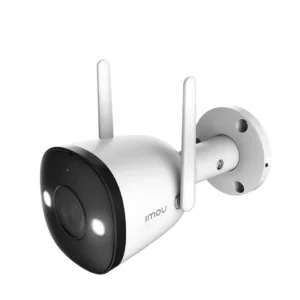

Home security has become a growing concern for homeowners in Pakistan. With increasing urban expansion, residential areas are facing higher risks of theft, trespassing, and property damage. As a result, many homeowners are investing in smart surveillance systems to protect their property and families.
One of the most commonly discussed technologies in modern surveillance is the PTZ camera. PTZ stands for Pan, Tilt, and Zoom, which means the camera can rotate horizontally, move vertically, and zoom in to capture detailed footage.
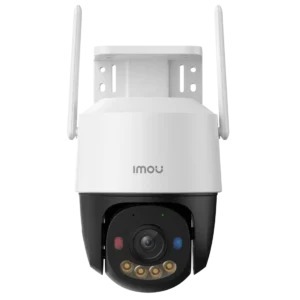
But the real question homeowners often ask is: Is a PTZ camera necessary for home security?
Understanding how PTZ cameras work, their benefits, and when they are most useful can help you decide whether they are the right choice for your home.
Understanding PTZ Cameras
A PTZ camera is designed to provide wider monitoring coverage compared to traditional fixed cameras. Unlike static cameras that capture only one angle, PTZ cameras can move in multiple directions to monitor a larger area.
These cameras can typically:
- Rotate left and right to cover wide spaces
- Tilt up and down to capture different heights
- Zoom in to identify faces, vehicles, or suspicious activity
This flexibility allows homeowners to monitor different sections of their property using a single camera.
For properties with larger outdoor spaces, PTZ cameras can provide enhanced surveillance without requiring multiple fixed cameras.
Why Homeowners Are Considering PTZ Cameras
Homeowners today want more than just recorded footage. They want smart monitoring systems that allow them to observe their property in real time and respond quickly to unusual activity.
PTZ cameras offer several advantages that make them attractive for residential security.
Wider Coverage
One of the biggest benefits of a PTZ camera is its ability to monitor large areas. A single camera can rotate and capture multiple angles, making it ideal for driveways, backyards, gardens, or entrances.
Instead of installing several cameras to cover different directions, a PTZ camera can provide flexible coverage from one location.
Real-Time Monitoring
Most modern PTZ cameras connect to mobile applications that allow homeowners to control the camera remotely. You can pan, tilt, or zoom directly from your smartphone while monitoring live footage.
This feature is especially useful when homeowners are traveling or away from home for extended periods.
Better Detail and Identification
Zoom functionality allows PTZ cameras to capture details that fixed cameras may miss. This includes:
- Vehicle number plates
- Facial features
- Suspicious movements
The ability to zoom in without losing clarity improves the chances of identifying intruders or unusual activity.
When PTZ Cameras Are Most Useful at Home
While PTZ cameras offer impressive capabilities, they are not always necessary for every home.
Their usefulness depends largely on the size and layout of the property.
PTZ cameras are most beneficial in the following situations:
Large Residential Properties
Homes with large yards, gardens, or multiple entrances can benefit greatly from PTZ surveillance. The camera can rotate and monitor different sections without requiring several fixed cameras.
Houses Located on Corner Plots
Corner houses often have two open sides that require monitoring. A PTZ camera can easily adjust its viewing angle to cover both sides.
Farmhouses and Vacation Homes
Properties located in rural areas or used occasionally require reliable remote monitoring. PTZ cameras allow homeowners to check their property anytime through their smartphone.
Fixed Cameras vs PTZ Cameras
Some homeowners believe PTZ cameras completely replace fixed cameras. However, both types of cameras serve different purposes.
Fixed cameras are excellent for monitoring specific areas such as doors, gates, or hallways where the camera angle does not need to change.
PTZ cameras, on the other hand, are designed for flexible monitoring of larger spaces.
In many cases, a combination of both camera types provides the most effective home security solution.
For example, a fixed outdoor camera can monitor a main entrance while a PTZ camera observes the wider surroundings of the property.
A reliable outdoor surveillance option such as Imou Bullet 2E 5MP Outdoor CCTV Camera provides high-resolution monitoring for fixed security points around a home. Cameras like these ensure constant visibility of entrances or pathways.
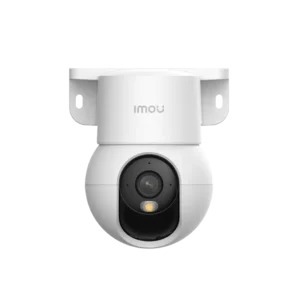
Advantages of Outdoor PTZ Cameras
Outdoor PTZ cameras are specifically designed to operate in different environmental conditions. They are built to withstand rain, dust, and temperature changes while maintaining clear video quality.
Some advantages of outdoor PTZ cameras include:
Smart Motion Detection
Advanced motion detection systems can identify movement and send instant alerts to your mobile phone. This helps homeowners respond quickly to unusual activity.
Night Vision Capability
Most security incidents occur during nighttime hours. Modern PTZ cameras include powerful night vision technology that allows them to capture clear images even in low light conditions.
Remote Control Functionality
Remote access allows homeowners to adjust the camera direction whenever needed. If motion is detected in a particular area, you can rotate the camera instantly to investigate further.
A modern example of a flexible PTZ surveillance option is Imou Cruiser Z 5MP Outdoor Wifi Camera, which offers advanced outdoor monitoring features designed for home security environments.
Common Misconceptions About PTZ Cameras
Despite their advantages, some misconceptions prevent homeowners from considering PTZ cameras.
PTZ Cameras Are Too Complicated
Modern PTZ cameras are designed with user-friendly mobile applications that make controlling the camera simple. Even users with limited technical experience can operate them easily.
PTZ Cameras Are Only for Businesses
Although PTZ cameras are commonly used in commercial environments, they are also highly effective for residential properties, particularly those with larger outdoor spaces.
PTZ Cameras Replace All Other Cameras
While PTZ cameras are versatile, they work best when combined with fixed cameras that monitor specific entry points.
Key Features to Consider Before Installing a PTZ Camera
Before installing a PTZ camera at home, homeowners should consider several important features.
Video Resolution
Higher resolution cameras provide clearer footage and better identification of faces or objects.
Weather Resistance
Outdoor cameras should be designed to withstand rain, heat, and dust to ensure reliable performance throughout the year.
Mobile App Compatibility
Remote access through mobile applications allows homeowners to monitor their property anytime and from anywhere.
Storage Options
Cameras may store footage on memory cards or cloud systems, allowing users to review recordings when necessary.
Is a PTZ Camera Necessary for Every Home?
The necessity of a PTZ camera depends on the size and layout of your property.
For smaller homes or apartments, a few well-placed fixed cameras may provide sufficient security coverage.
However, for homes with:
- Larger outdoor areas
- Multiple entry points
- Driveways or open yards
- Farmhouse style layouts
PTZ cameras offer a significant advantage by providing wider monitoring coverage.
They allow homeowners to observe their property dynamically rather than relying on static camera angles.
The Future of Home Surveillance
Home security technology continues to evolve with smarter features and improved connectivity. Modern surveillance systems are becoming more accessible, easier to install, and more efficient in detecting potential threats.
PTZ cameras represent an important step toward smarter surveillance because they allow users to actively monitor their environment rather than simply record events.
With high-resolution imaging, night vision capabilities, and remote access, these cameras provide homeowners with greater control over their property security.


















Sign in to leave a comment.