
Introduction: Why EPL Matters
Have you ever looked at an equipment label in a hazardous area and wondered what those letters Ga, Gb, or Gc actually mean? These aren't random codes—they're Equipment Protection Levels (EPL), and understanding them could prevent disasters on your projects.
After working on numerous oil and gas facilities across the GCC region, I've seen how misunderstanding EPL ratings leads to costly mistakes, project delays, and serious safety violations. This guide breaks down everything you need to know about EPL and how to apply it correctly in real-world situations.
What is EPL? The Basics
EPL stands for Equipment Protection Level. Think of it as a safety grade that tells you how much protection electrical equipment provides against ignition in explosive atmospheres.
The IECEx standards introduced this simplified system to replace older, more complex classification methods. Instead of remembering complicated category combinations, engineers now work with straightforward letter grades.
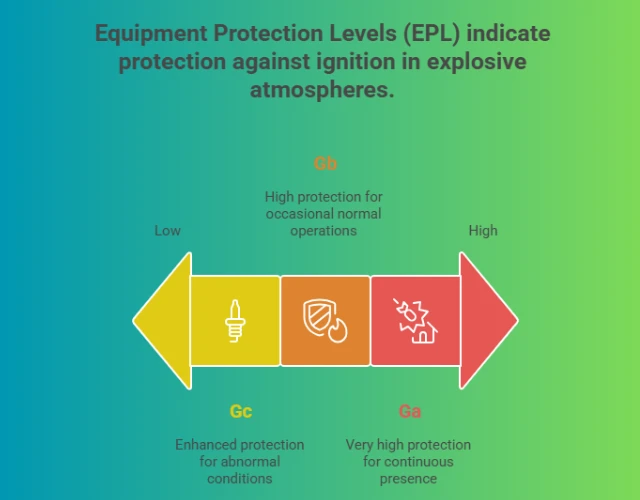
The Three EPL Levels:
Ga - Very High Protection
- Suitable for Zone 0
- Areas where explosive atmosphere is present continuously or for long periods
- Highest level of protection available
- Most expensive equipment category
Gb - High Protection
- Suitable for Zone 1
- Areas where explosive atmosphere occurs occasionally during normal operation
- Most commonly specified protection level
- Balances safety and cost
Gc - Enhanced Protection
- Suitable for Zone 2
- Areas where explosive atmosphere occurs only during abnormal conditions
- Basic protection level
- Most economical option
Key Point: Each EPL level represents decreasing probability of explosive atmosphere presence, not different danger levels.
How EPL Maps to Hazardous Zones
Understanding the relationship between EPL and zones is critical for proper equipment selection:
Gas Atmospheres:
- EPL Ga → Zone 0 (continuous hazard)
- EPL Gb → Zone 1 (occasional hazard)
- EPL Gc → Zone 2 (abnormal conditions only)
Dust Atmospheres:
- EPL Da → Zone 20 (continuous combustible dust)
- EPL Db → Zone 21 (occasional combustible dust)
- EPL Dc → Zone 22 (abnormal dust conditions)
Important Selection Rule:
You can install higher-rated equipment in lower-classified zones (Ga equipment in Zone 1 or 2), but you cannot install lower-rated equipment in higher-classified zones (Gc equipment in Zone 1).
For more on how zones and protection concepts work together, check out our comprehensive guide: IECEx Certification Zones and Protection Concepts
Real Project Application: How to Select EPL
Here's the step-by-step process used in actual projects:
Step 1: Obtain Area Classification Drawings
Start with HAZOP studies and area classification documentation that define zones throughout your facility.
Step 2: Match EPL to Zone Requirements
Create an equipment schedule listing:
- Equipment tag number
- Installation location
- Zone classification at that location
- Required minimum EPL rating
- Actual selected equipment EPL
Step 3: Verify Gas Group and Temperature Class
EPL alone isn't sufficient. Also verify:
- Gas group compatibility (IIA, IIB, or IIC)
- Temperature class suitability (T1-T6)
- Environmental conditions match equipment ratings
Step 4: Cost Optimization
Don't over-specify. Installing Ga equipment throughout a facility when most areas are Zone 2 wastes significant budget without adding safety value.
Site Acceptance: Critical Verification Checks
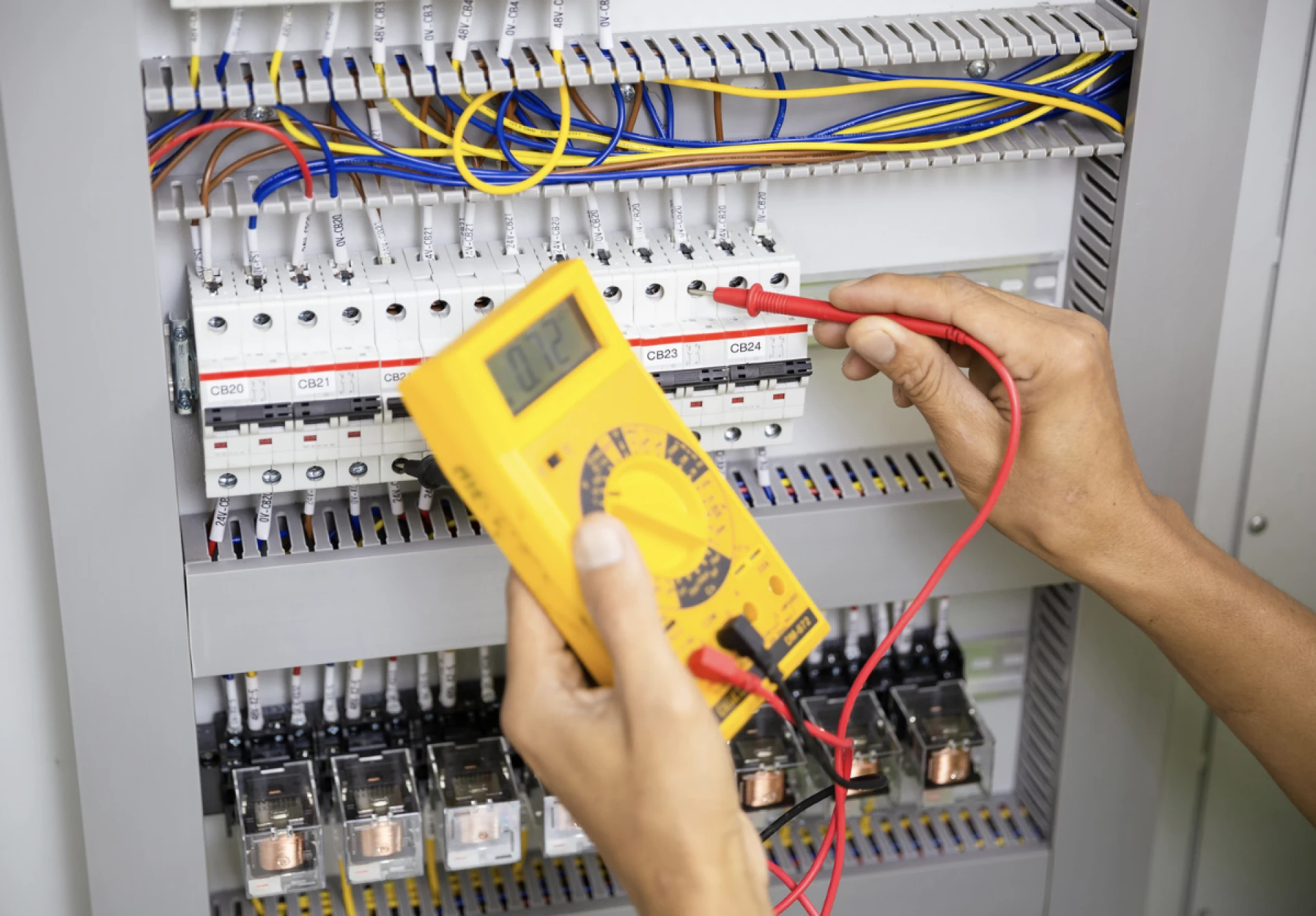
During commissioning and site acceptance, follow this verification checklist:
✓ Nameplate Documentation
- Photograph every equipment nameplate clearly
- Verify EPL marking is visible and legible
- Check for certification body markings
- Confirm certificate numbers are present
✓ EPL-Zone Matching
- Cross-reference installed location with area classification drawings
- Verify EPL rating meets or exceeds zone requirement
- Document any deviations with proper engineering justification
✓ Physical Condition Verification
Check for:
- Unauthorized modifications (drilled holes, added cable entries)
- Damage to enclosures or sealing surfaces
- Paint or coatings covering critical areas
- Missing or damaged components
✓ Supporting Documentation
Collect and file:
- Certificates of conformity
- Test reports
- Manufacturer declarations
- Installation records
Pro Tip: Any modification, no matter how minor, invalidates the original certification. Even drilling one extra hole compromises the protection design.
Common Mistakes to Avoid
❌ Mistake #1: Assuming All "Ex" Equipment is Interchangeable
Just because equipment has "Ex" marking doesn't mean it works everywhere. A Gc-rated device cannot be used in Zone 1, regardless of how robust it appears.
Real Example: On a project in Abu Dhabi, a contractor installed Gc-rated junction boxes in a Zone 1 compressor area. The safety inspector rejected the entire installation, causing three weeks of delays and over $200,000 in replacement costs.
❌ Mistake #2: Overlooking Temperature Ratings
EPL tells you about explosion protection level, but temperature class (T1-T6) is equally critical. Installing T4 equipment (135°C max) where T6 (85°C max) is required creates direct ignition risk.
❌ Mistake #3: Incomplete Documentation
Many engineers select equipment correctly but fail to document the selection rationale. During audits years later, inspectors want to see evidence that EPL ratings were deliberately matched to zones, not selected accidentally.
❌ Mistake #4: Retrofit and Expansion Errors
When expanding existing facilities, engineers sometimes match new equipment to existing installations without verifying the original installation was correct. You might be perpetuating a non-compliant design.
Best Practices for EPL Selection
Create a Selection Matrix
Develop a spreadsheet with:
- Area/location
- Zone classification
- Process materials (gas group)
- Temperature requirements
- Minimum EPL required
- Selected equipment details
Implement Review Checkpoints
Have selections reviewed by:
- Process safety engineer
- Area classification specialist
- Installation supervisor
- Safety inspector (before procurement)
Maintain Configuration Control
Track any changes to:
- Area classifications
- Equipment specifications
- Installation locations
- Operating conditions
For broader understanding of IECEx certification and its importance, read: IECEx Certification Overview
Why IECEx Recognition Matters
EPL classification is part of the globally recognized IECEx system. Understanding why this international recognition matters helps you appreciate the importance of proper EPL selection.
Learn more: Top Reasons Why IECEx Certification is Recognized Worldwide
Conclusion: Master EPL for Safer Projects
Understanding EPL ratings and their proper application separates competent engineers from those who simply follow instructions without comprehension. The EPL system was designed to make equipment selection clearer and safer—but only if engineers understand and apply it correctly.
Key Takeaways:
- Ga, Gb, Gc represent decreasing levels of protection
- Always match or exceed the EPL requirement for each zone
- Higher-rated equipment can go in lower zones, never the reverse
- Document your selection rationale thoroughly
- Verify physical installation matches specifications
Master these fundamentals, and you'll avoid the costly mistakes that plague projects throughout the GCC and beyond.





















Sign in to leave a comment.