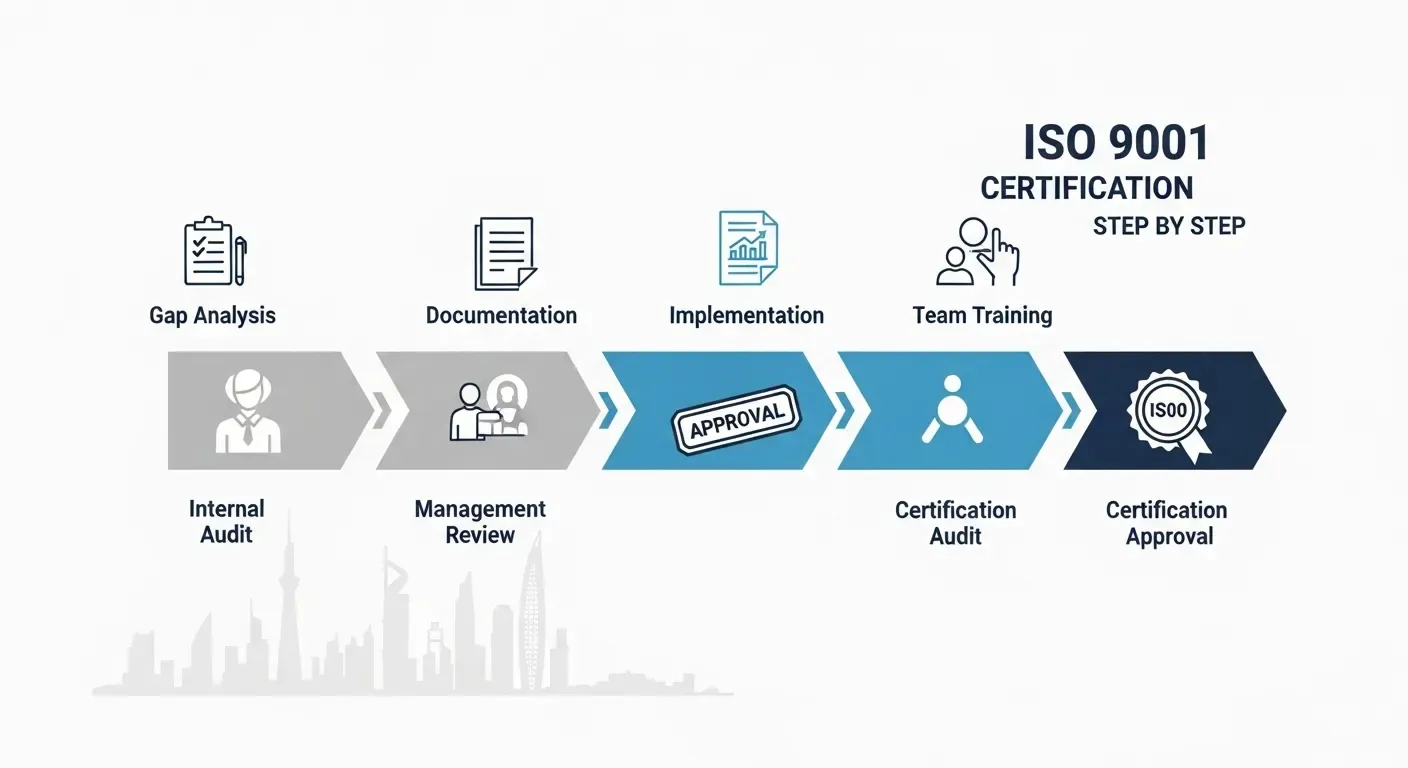

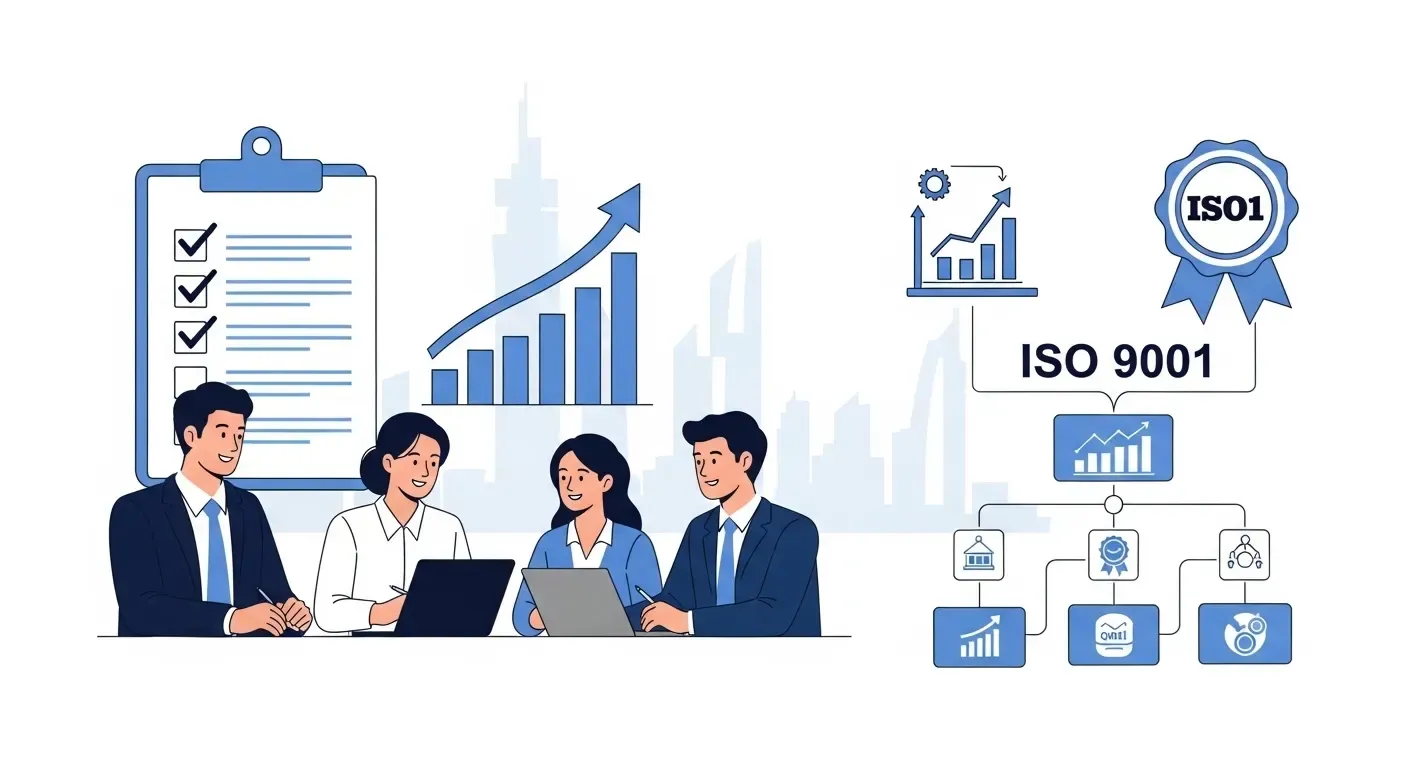
Getting ISO 9001 certified is simpler than most business owners expect. The challenge is not the standard itself — it is the lack of a clear, structured path. This guide breaks the entire journey into seven actionable steps that any organisation can follow, regardless of industry or size.
What Is the ISO 9001 Certification Process?
The ISO 9001 certification process is the sequence of activities an organisation completes to build, implement, and get its quality management system (QMS) independently verified by an accredited certification body. The resulting certificate is valid for three years, with annual surveillance visits to confirm ongoing compliance.
Understanding each stage in advance means fewer surprises, faster timelines, and a much higher chance of passing on the first attempt.
Step 1 — Gap Analysis
Every certification journey begins with an honest assessment of where your business currently stands versus where ISO 9001 requires it to be. The gap analysis identifies missing processes, undocumented procedures, and areas of risk that need to be addressed before any documentation work begins.
Skipping this step is one of the most common reasons companies waste time and money later in the process. A thorough gap analysis takes a few days but saves weeks downstream.
Step 2 — Documentation Setup
Your QMS must be documented — but not over-documented. ISO 9001:2015 removed the requirement for a quality manual and focuses instead on evidence of real processes. The key documents include your quality policy, objectives, process descriptions, and records. A detailed breakdown of exactly what is required is covered in our guide on ISO 9001 documentation requirements.
Step 3 — Implementation
Documentation only counts when it is put into practice. In this phase, your team begins following the documented procedures in daily operations. Training every member of staff on their responsibilities is not optional — it is where most implementation failures occur. Leaders must visibly support the system, not just sign off on paper.
Step 4 — Internal Audit
Before inviting external auditors, your organisation must conduct its own internal review. The internal audit checks whether the QMS is working as designed and identifies nonconformances that need correction. This is your rehearsal. Running it properly dramatically reduces the risk of surprises in the certification audit. See the full ISO 9001 internal audit process guide for step-by-step instructions.
Step 5 — Management Review
Senior management must formally review the QMS at least once before certification. This meeting examines audit findings, customer feedback, quality objectives, and resource needs. The output is a set of decisions and improvement actions, all recorded as evidence for the auditor.
Step 6 — Certification Audit
The external certification audit runs in two stages. Stage 1 is a document review — the auditor confirms your QMS is designed correctly and ready for assessment. Stage 2 is the on-site operational audit, where auditors interview staff, observe processes, and verify that what is written matches what actually happens day to day. Both stages must be passed.
Step 7 — Certificate Issuance
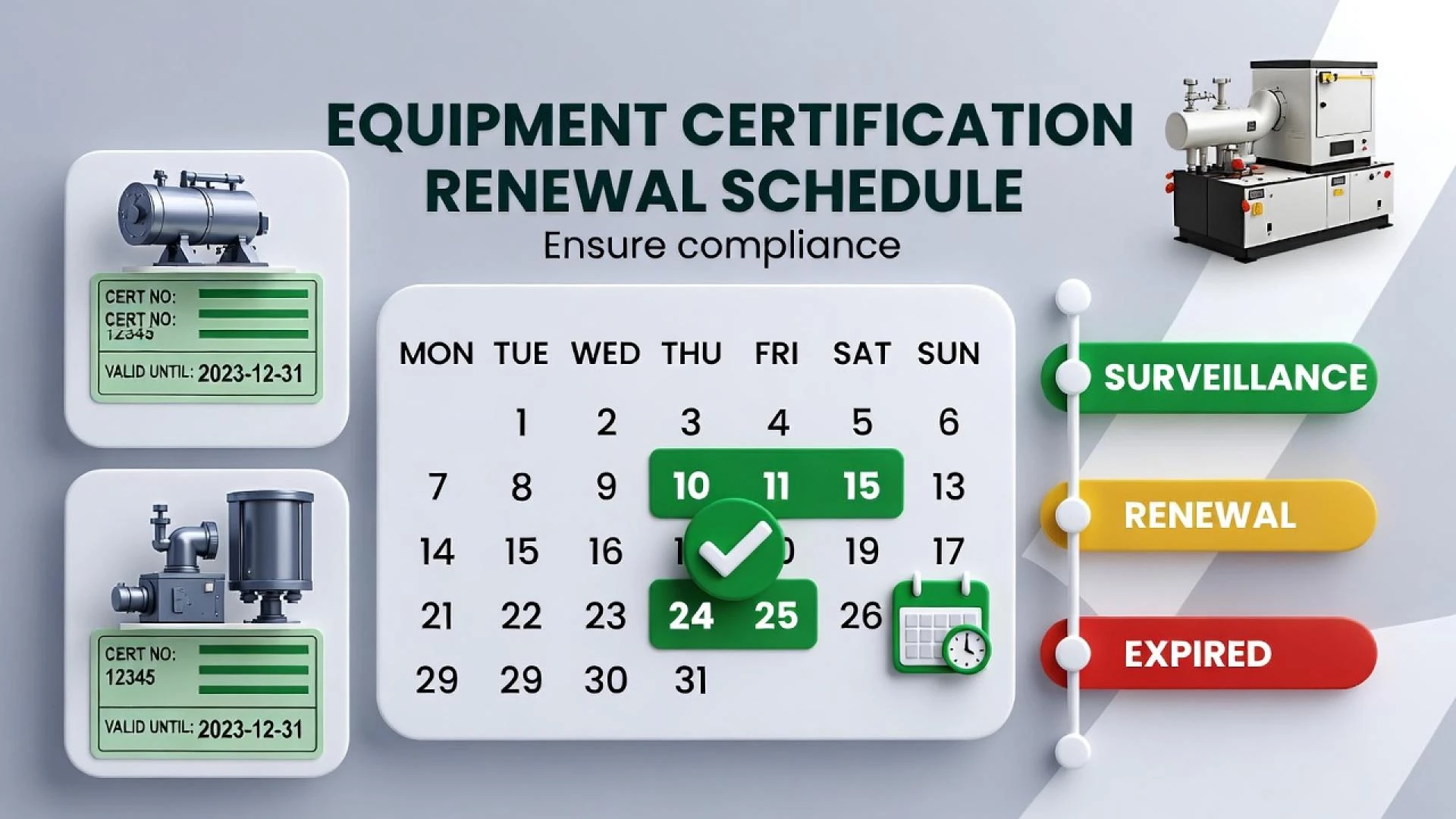
Once the Stage 2 audit is cleared and any minor nonconformances are resolved, the certification body issues your ISO 9001 certificate. It carries a three-year validity. Surveillance audits in Years 2 and 3 confirm continued compliance, followed by a full recertification audit at the end of the cycle.
Realistic Timelines
Small business (under 20 employees): 2 to 4 weeks. Medium organisation (20 to 100 staff): 4 to 8 weeks. Large company (100+ employees): 8 to 16 weeks. These timelines assume consistent effort and experienced consultant support.
Most Common Reasons for Audit Failure
Staff unable to explain the quality policy during interviews. Records that exist on paper but are not kept up to date. Internal audit completed but corrective actions not closed out. Processes that were documented once but have since changed without the documents being updated. Addressing these four issues before the audit is the difference between a pass and a nonconformance list.
Need expert ISO support? Contact Global ISO Certificates: https://globalisocertificates.com/contact-us/



























Sign in to leave a comment.