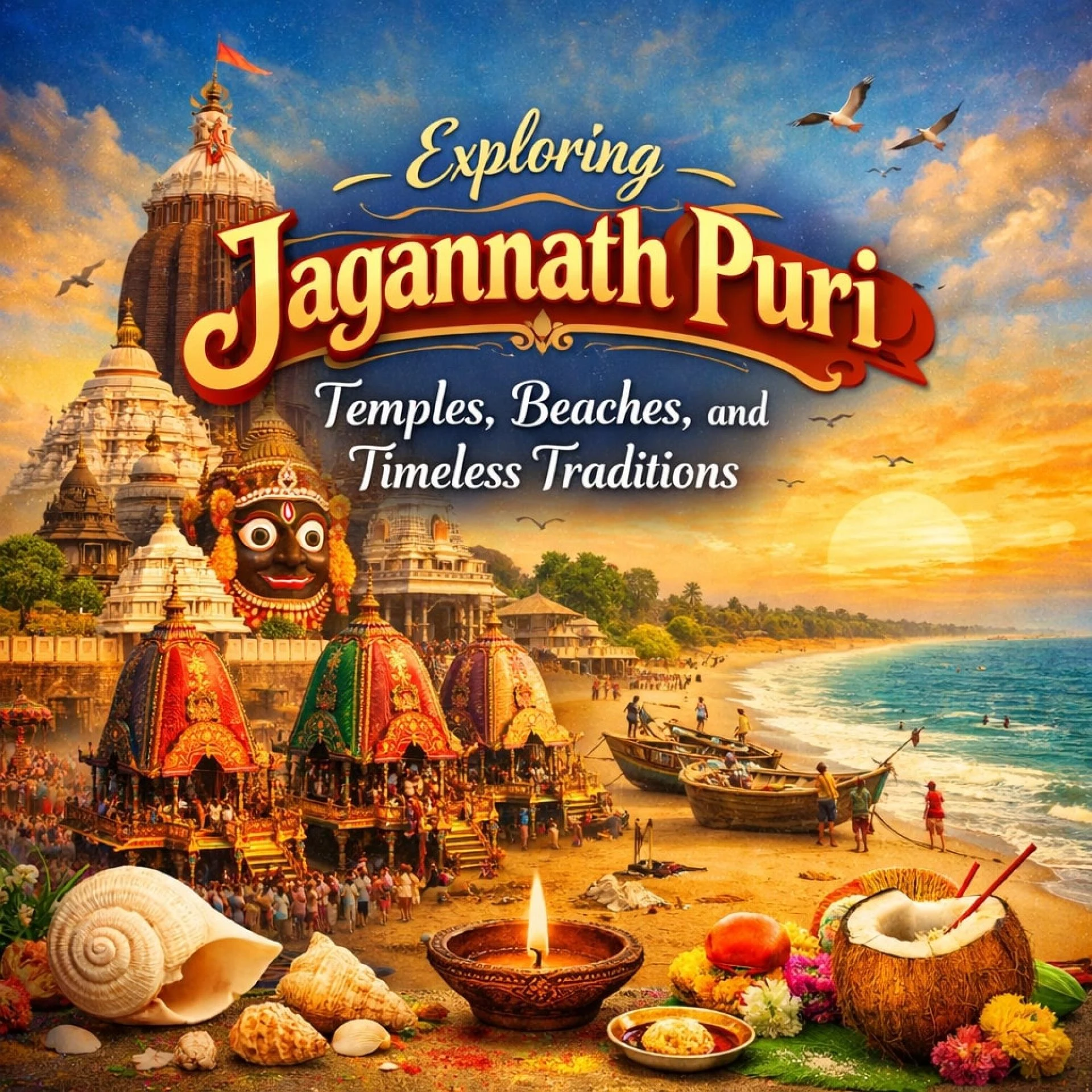

Nestled on the serene shores of the Bay of Bengal, thee Explor Puri Jagannath Temple stands as one of India’s most sacred and mesmerizing spiritual destinations. This ancient shrine is not just an architectural wonder but a living cultural heartbeat that has drawn pilgrims and explorers from across the world for centuries.
In this blog, we’ll embark on a journey through the temple’s history, traditions, rituals, legends, and travel tips — giving you everything you need to understand why Puri Jagannath Temple is a must-visit on your travel list.
A Glimpse into History & Spiritual Importance
The Puri Jagannath Temple was built in the 12th century AD under the patronage of King Anantavarman Chodaganga Deva and has remained a cornerstone of Hindu worship ever since. It is one of the Char Dham pilgrimage sites — four sacred abodes that every devout Hindu aspires to visit for spiritual merit and liberation.
At its core, the temple is dedicated to Lord Jagannath, a form of Lord Vishnu, along with his siblings Balabhadra and Subhadra, whose beautifully symbolic wooden idols are enshrined inside.
Architectural Marvel & Symbolism
The temple’s soaring Kalinga-style architecture, towering walls, massive spire crowned with the Nilachakra (Blue Wheel), and a complex that includes over 120 shrines make the structure breathtaking.
Unlike most temples where deities are carved from stone, here all three main idols are made of sacred neem wood (daru) — symbolizing life, nature, and the universe. These wooden deities are regularly replaced through a revered ritual known as Nabakalebara, which occurs approximately every 12–19 years.
Traditions & Rituals That Define the Temple
Daily Worship & Routine
The temple buzzes with ritual activity throughout the day. From Mangala Darshan at dawn to evening offerings and chants, each moment is steeped in devotion and age-old traditions.
Ratha Yatra — The Grand Chariot Festival
The Ratha Yatra is the world-famous festival of the Puri Jagannath Temple — a jubilant procession where the deities are placed on colossal chariots and pulled by thousands of devotees through the city’s streets. It’s not just a festival, but a living symbol of unity, faith, and spiritual journey.
Mahaprasad — More Than Just Sacred Food
The temple’s kitchen, considered one of the largest in the world, prepares Mahaprasad in clay pots over traditional wood fire. A remarkable tradition here is the stacking of multiple pots, with the topmost cooking first — a reverse cooking phenomenon that continues to intrigue visitors
























Sign in to leave a comment.