Putty vs White Cement: Understanding the Difference
Wall preparation is an important step before painting or decorating a home. A smooth surface helps create a more consistent finish, while the wrong preparation material can affect the final result. Two materials that homeowners often compare are wall putty and white cement.
Although they may look similar, putty vs white cement is not simply a comparison between two interchangeable products. They have different formulations, purposes and applications. The JKMaxx Paints wall putty category describes wall putty as a white cement-based fine powder containing polymers and minerals, designed mainly for preparing surfaces before painting.
What Is Wall Putty?
Wall putty is a surface preparation material used before applying paint or distemper. It is generally made using a white cement base with polymers and other ingredients.
Its main purpose is to create a smoother and more even wall surface. It can help fill minor surface irregularities and provide a suitable base for finishing coats.
The wall putty category lists products such as WallMaxX, WallMaxX Advanced, ShieldMaxX, ActivV, LevelMaxX and LevelMaxX Plus. Their individual product specifications should be checked before selecting one for a project.
What Is White Cement?
White cement is a cementitious material used in different construction, repair and decorative applications. It can be used for tile joints, grouting and selected repair work, depending on the application.
It is also used as a base ingredient in some wall putty formulations. However, white cement on its own is not the same as a finished wall putty product.
This distinction is important when preparing a wall for painting. A material intended for grouting or decorative work should not automatically be treated as a substitute for a surface preparation product.
Putty vs White Cement: Key Differences
| Comparison | Wall Putty | White Cement |
|---|---|---|
| Main purpose | Preparing walls before painting | Construction, repair and decorative applications |
| Composition | White cement with polymers and other ingredients | White Portland cement |
| Typical use | Creating a smoother base for paint | Grouting, tile joints and selected repairs |
| Surface finish | Designed to provide a smooth surface | May require further treatment before painting |
| Application | Interior and exterior walls, subject to product suitability | Depends on the construction or decorative task |
The choice should be based on the work you need to complete, not simply on the appearance of the material.
Benefits of Using Wall Putty Before Painting
Creates a Smoother Surface
Wall putty helps prepare the surface for the finishing coat. A smoother base can make the final paint appearance more uniform.
Helps Fill Minor Surface Irregularities
The wall putty category describes its products as suitable for filling pinholes and improving surface smoothness. Larger cracks and serious defects still need appropriate repair before putty application.
Supports Paint Durability
The category states that wall putty helps improve paint durability and provides a base for paint and distemper.
Provides Binding Properties
The listed range is described as having binding properties that help it adhere to suitable cement, concrete and plastered surfaces.
Wall Putty Design in Home: Where Can It Be Used?
The phrase wall putty design in home often refers to the preparation and finish of walls before decorative painting. Wall putty itself is not usually the final decorative design. Instead, it helps create the surface on which paint, colour combinations or other finishes can be applied.
Living Room Walls
A smooth putty-prepared surface can provide a suitable base for neutral colours, feature walls or other decorative paint ideas.
Bedroom Walls
In bedrooms, wall preparation can help create a more even background for soft colours, pastel shades or deeper accent walls.
Hallways and Passageways
Hallways connect different rooms and often receive regular use. A properly prepared wall can help provide a consistent base for the chosen finish.
Exterior Walls
The product category also lists exterior walls among its application areas. The selected putty should be suitable for the intended surface and environmental conditions.
How to Select the Right Wall Putty
Before choosing a product, consider the type of wall, its condition and the planned finish.
- Check the surface: Identify whether the wall is interior plaster, exterior plaster or concrete.
- Review the application: Confirm that the product is intended for the surface.
- Compare product specifications: The category lists several options, including WallMaxX, WallMaxX Advanced, ShieldMaxX, ActivV, LevelMaxX and LevelMaxX Plus.
- Assess existing damage: Dampness, flaking and larger cracks may require separate treatment.
- Follow application guidance: Use the recommended preparation, application and drying process.
Preparing Walls Before Painting
A good finish begins with proper surface preparation. A general sequence includes:
- Inspect the wall for cracks, loose material and damp patches.
- Address the source of moisture or other underlying defects.
- Remove dust and loose particles.
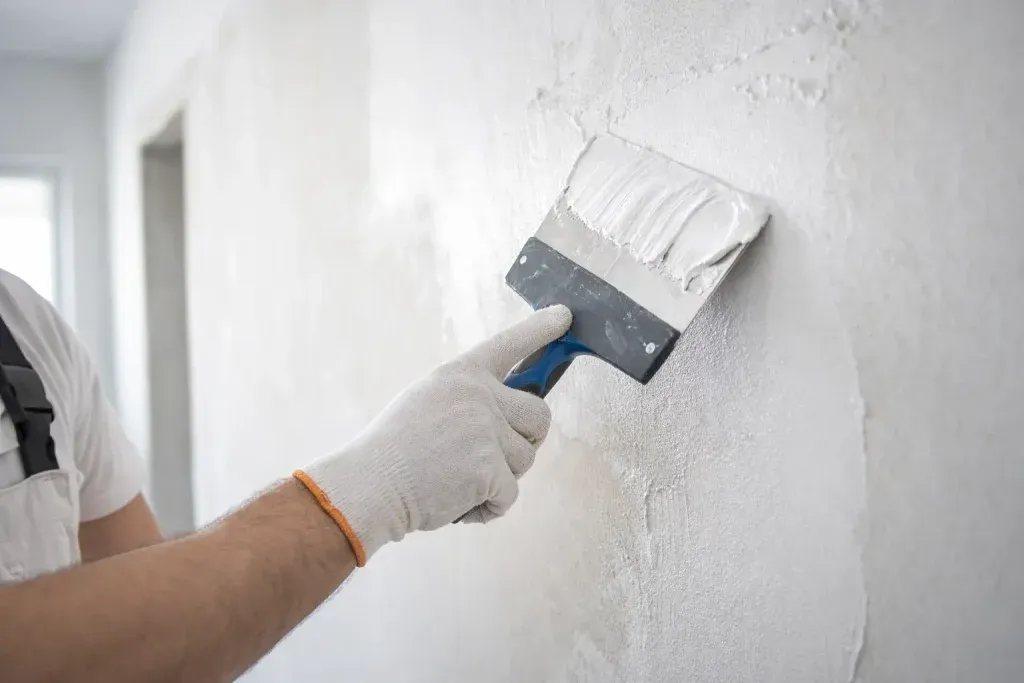
- Apply a suitable wall putty according to product instructions.
- Allow the material to dry as recommended.
- Sand the surface where required.
- Apply a suitable primer before the finishing paint.
The exact process can vary according to the wall and product. Always follow the manufacturer's technical instructions.
Frequently Asked Questions
Is wall putty the same as white cement?
No. Wall putty is a white cement-based formulation containing polymers and other ingredients. It is designed mainly for wall surface preparation, while white cement has different construction and decorative uses.
Can white cement be used instead of wall putty?
They are not interchangeable in every application. Choose a material according to the work required and the manufacturer's guidance.
Can wall putty be used on exterior walls?
The wall putty category lists exterior walls among its application areas. Confirm that the selected product is suitable for the particular surface.
Does wall putty create decorative wall designs?
Wall putty mainly prepares and smooths the surface. Decorative effects are generally created through the finishing paint or other suitable wall treatments applied afterwards.
Conclusion
Understanding the difference between wall putty and white cement helps homeowners choose the right material for their painting and repair work. Wall putty is used to prepare surfaces for paint, while white cement serves different construction, grouting and decorative purposes.
When considering putty vs white cement, review the intended application and the condition of the wall. Choose a suitable wall putty, prepare the surface properly and follow the recommended application process for a smoother base and a more consistent paint finish.








Sign in to leave a comment.