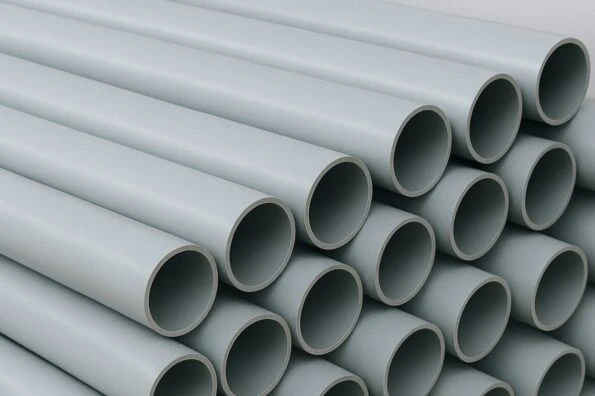
A pvc conduit pipe is widely used in Indian homes and buildings for electrical wiring protection. But many users face problems like bending, cracking, or even breaking after installation. These issues can affect wire safety and increase repair work. If the conduit pipe fails, the entire wiring system becomes exposed to damage. Understanding the cause helps in avoiding repeated problems.
Why PVC Conduit Pipe Bends or Breaks
1. Low-Quality Material
Cheap pipes often lack strength. A weak pvc conduit pipe cannot handle pressure from walls or concrete, leading to bending or breakage.
2. Thin Wall Thickness
Structural Weakness
Pipes with less thickness bend easily under load. During construction, this becomes a major issue.
3. Excessive Heat Exposure
High temperatures, especially during summer, soften the pipe. Over time, this reduces its ability to hold shape.
4. Improper Installation
Forceful bending during fitting or poor alignment creates stress points. These areas break faster under pressure.
Common Signs of Damage
Early Warning Indicators
- Visible bends in the pipe line
- Cracks on outer surface
- Difficulty in pulling wires
- Pipe collapsing inside walls
Ignoring these signs can lead to bigger electrical issues later.
Solutions to Prevent Bending and Breaking
1. Choose High-Quality Conduit Pipes
A strong pvc conduit pipe performs better under load and lasts longer in Indian conditions.
2. Check Proper Thickness
Always select pipes with adequate wall thickness. This helps maintain shape during and after installation.
3. Avoid Sharp Bends
Use proper bending tools instead of force. Smooth curves reduce stress on the pipe.
4. Protect from Heat Exposure
Store pipes in shaded areas before installation. Avoid leaving them under direct sunlight for long periods.
5. Follow Correct Installation Methods
Proper alignment and joint fitting reduce chances of damage over time.
PVC Conduit Pipe vs Other Pipes
Understanding Usage Difference
- pvc conduit pipe: Used for electrical wiring protection
- Flexible conduit: Suitable for limited or temporary use
- Best pipes for plumbing: Designed for water flow, not for electrical systems
Using the right type of pipe for the right purpose avoids performance issues.
Key Points to Remember
- Bending and breaking are common due to low quality and poor installation
- Thickness and material strength play a major role
- Heat exposure affects pipe structure
- Proper handling during installation improves durability
- Regular checks help identify early damage
Common Mistakes to Avoid
Errors That Lead to Pipe Failure
- Using low-cost pipes without checking strength
- Forcing bends during installation
- Ignoring pipe thickness requirements
- Leaving pipes exposed to sunlight before use
These mistakes reduce the life of the conduit system.
Final Thoughts
Problems like bending or breaking in a pvc conduit pipe can affect the safety of electrical wiring. With the right material, correct installation, and proper handling, these issues can be reduced significantly.
At Mahavir Group, we focus on providing reliable piping solutions based on real usage conditions in India. Choosing the right pipe, whether for electrical use or the best pipes for plumbing, helps maintain safety and long-term performance.


























Sign in to leave a comment.