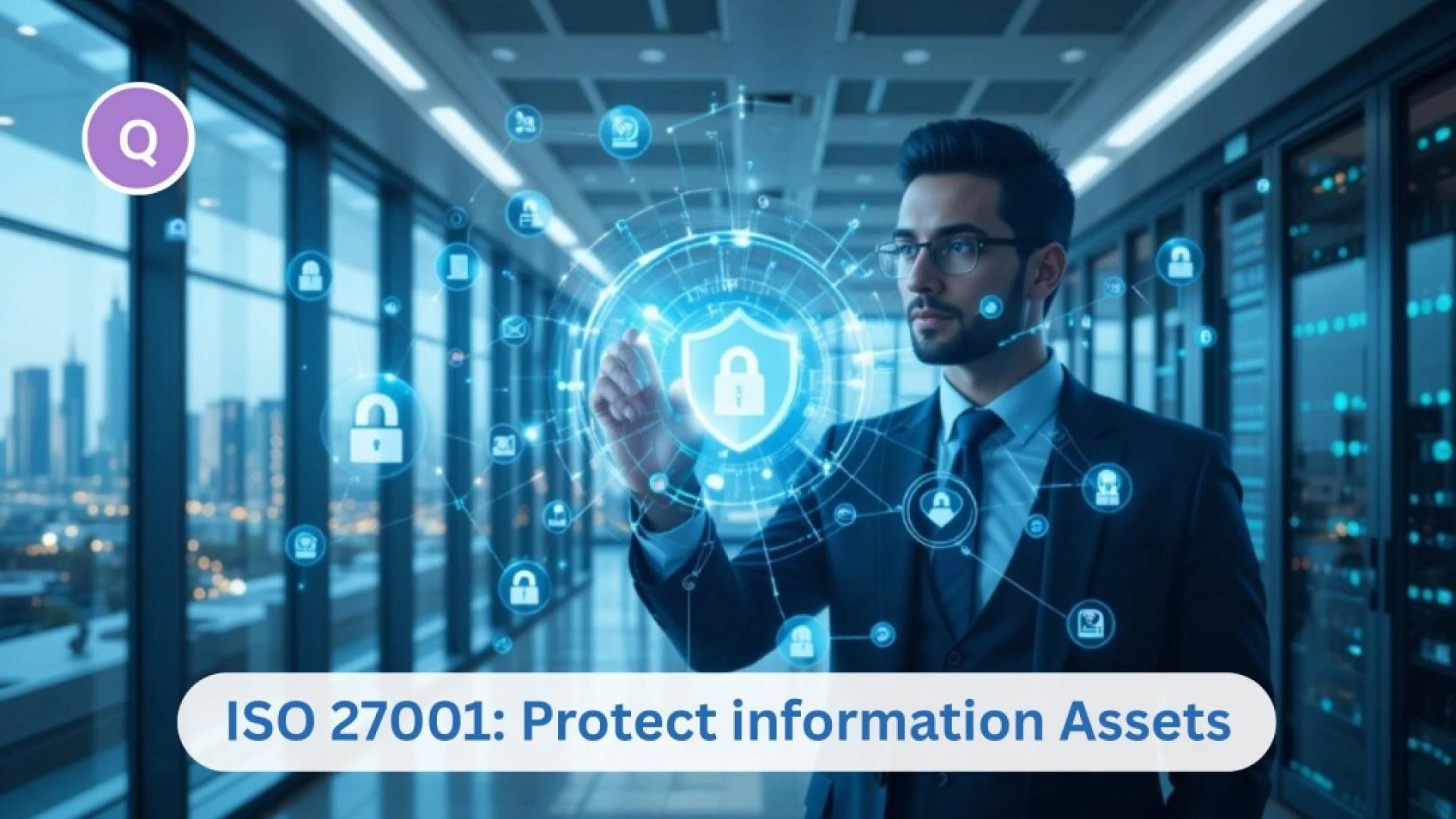

In Qatar’s rapidly advancing digital economy, information assets are critical to business continuity, trust, and compliance. As organizations across sectors—such as oil & gas, banking, telecom, construction, and logistics—integrate digital platforms, the threat of cyberattacks, data breaches, and internal vulnerabilities becomes more pronounced.
To manage these risks and ensure regulatory alignment, ISO 27001:2013 offers a globally recognized framework for establishing an effective Information Security Management System (ISMS). For Qatari businesses, it bridges the gap between cybersecurity risk and operational resilience.
What is ISO 27001 and Why Is It Important for Qatar?
ISO 27001 is an international standard developed by the International Organization for Standardization (ISO), focused on information security risk management. It ensures protection of the confidentiality, integrity, and availability (CIA triad) of digital and physical information assets.
In the context of Qatar National Vision 2030, ISO 27001 supports national objectives around digital infrastructure, sustainability, and risk resilience. It is particularly relevant for businesses that handle personal data, financial records, industrial controls, and sensitive government information.
Key Benefits of ISO 27001 Certification in Qatar
By implementing ISO 27001, organizations move from basic IT defense to a comprehensive, enterprise-wide information security strategy:
• Regulatory Alignment
Ensures compliance with Qatar’s data protection regulations, such as those from the Ministry of Communications and Information Technology (MCIT) and international frameworks like GDPR.
• Risk-Based Security
Enables identification, evaluation, and mitigation of internal and external threats across systems, networks, and users.
• Operational Resilience
Reduces downtime, supports business continuity planning (BCP), and enhances incident response preparedness.
• Enhanced Corporate Governance
Boosts investor and client confidence by demonstrating measurable, auditable cybersecurity practices.
• Competitive Qualification
ISO 27001 is often required in public tenders and vendor evaluations across energy, finance, and smart city development projects.
Scalable Implementation for SMEs and Enterprises
ISO 27001 is designed to scale. From startups in Lusail to multinational operations in Ras Laffan, the implementation model fits different organizational sizes.
Typical steps include:
- Gap analysis and ISMS scoping
- Information asset classification and risk treatment
- Development of security policies and access controls
- Security awareness training for employees
- Internal audits and management reviews
- Certification audit by an accredited body
Implementation timeframes range from 3 to 6 months, depending on organization size and complexity.
Conclusion
In an era where data is currency, securing it is not just a responsibility—it's a strategic imperative. ISO 27001 certification helps Qatari organizations move from passive risk management to active resilience-building.
Whether operating in Doha, Mesaieed, Dukhan, or Education City, certified organizations are better equipped to protect data, win high-value contracts, and lead in a digitally secure future.




























Sign in to leave a comment.