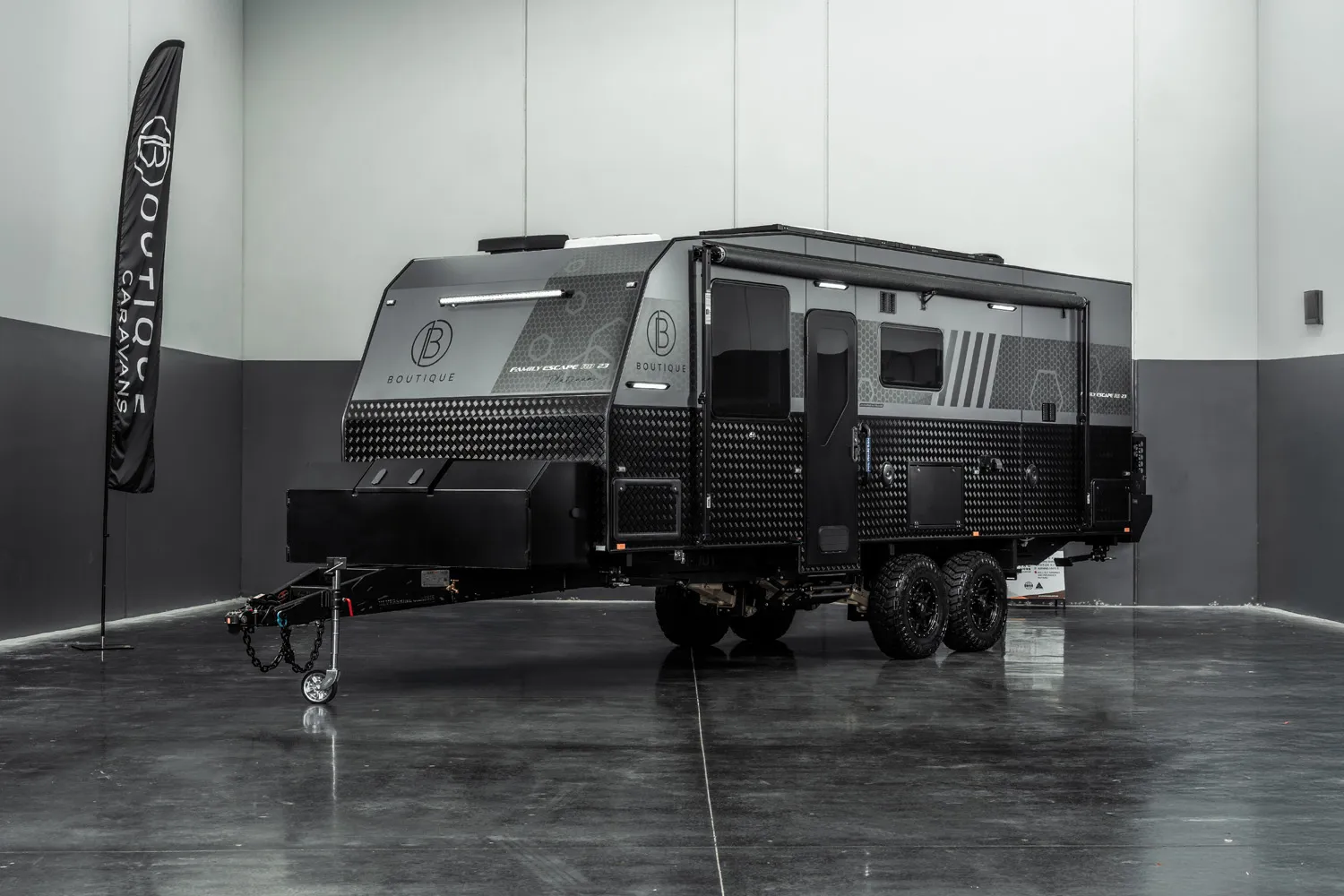

Buying a caravan isn't the kind of purchase most people make on impulse. It's a significant investment, and if you've already started comparing models, you've probably noticed something confusing. Two caravans can appear almost identical in photos, yet their prices differ by thousands of dollars. That raises an obvious question—what are you actually paying for?
When researching caravan sales, it's easy to get distracted by promotional offers, luxury interiors, or discounts that seem too good to ignore. I've seen plenty of buyers focus on the upfront price, only to discover months later that repairs, upgrades, or missing features made the "cheaper" option far more expensive.
Here's what matters instead: understanding how to identify a well-built caravan, compare genuine value, and avoid paying for features you don't need.
Forget the Cheapest Price for a Moment
One thing I've noticed after following the caravan market is that the lowest price rarely tells the whole story.
Think about buying a house. You wouldn't choose one simply because it's the least expensive on the street. You'd look at its condition, location, structure, and long-term maintenance costs.
The same logic applies here.
A caravan that's priced slightly higher may already include quality suspension, solar power, upgraded batteries, better insulation, and stronger construction materials. Another might look affordable until you start adding the essentials individually.
Looking only at the advertised price often leads to poor comparisons.
Decide How You'll Travel Before You Compare Models
Here's something many first-time buyers overlook.
Not every caravan is designed for the same type of journey.
If your idea of travelling involves caravan parks with powered sites every few weeks, your priorities will differ from someone planning remote trips through regional Australia.
Ask yourself:
- How many people will travel regularly?
- Will you stay in one location or move every few days?
- Do you need an ensuite?
- Is off-road capability actually necessary?
- How much storage will you realistically use?
The answers narrow your options surprisingly quickly.
Buying a caravan designed around your travel habits usually prevents spending money on upgrades that never get used.
Learn to Look Past the Interior Styling
Walk into any dealership and you'll notice the polished benchtops, mood lighting, modern upholstery, and large refrigerators.
They're impressive.
But attractive finishes don't necessarily reflect build quality.
Here's what I pay attention to instead:
- Chassis engineering
- Suspension components
- Wall and roof construction
- Water system layout
- Electrical installation
- Seal quality around windows
- Cabinet fixing points
- Overall structural rigidity
These aren't the features that sell brochures, but they're the ones that determine how the caravan performs after years on Australian roads.
Compare What's Included—Not Just What's Advertised
One dealership may advertise a lower starting price.
Another may include thousands of dollars' worth of equipment as standard.
That's why experienced buyers compare specifications line by line instead of relying on marketing headlines.
Look carefully at whether the caravan already includes:
- Solar panels
- Lithium batteries
- Reverse camera
- Air conditioning
- Roll-out awning
- Stone protection
- Electronic stability control
- External shower
- Bike rack
- Water filtration
Those extras can significantly affect the final purchase price.
I've seen buyers save several thousand dollars simply because they compared inclusions rather than chasing the lowest sticker price.
Spend Time Inspecting the Details
A quick walkthrough isn't enough.
Open every cupboard.
Lift the mattress.
Look inside storage compartments.
Check how neatly the plumbing and wiring have been installed.
Close every drawer.
Test every latch.
These small inspections often reveal how much attention was given during manufacturing.
Odd gaps, rough sealant, loose fittings, or uneven cabinetry may seem minor today, but they often become ongoing frustrations later.
Good workmanship usually reveals itself in the details no salesperson points out.
Research the Brand Like You Would Research a Vehicle
Most people spend weeks researching a new car.
A caravan deserves the same effort.
Read owner experiences.
Browse independent forums.
Watch long-term ownership reviews rather than launch videos.
Pay attention to recurring themes.
If dozens of owners mention excellent warranty support, that's encouraging.
If multiple buyers report water leaks, poor customer service, or electrical faults, take those comments seriously.
No manufacturer is perfect, but consistent feedback often tells a more realistic story than advertising.
Think About Ownership Costs Five Years From Now
Here's where many buyers make expensive mistakes.
The purchase price is only part of the overall cost.
You'll also need to think about:
- Routine servicing
- Wheel bearings
- Brake maintenance
- Tyre replacement
- Insurance
- Registration
- Storage
- Appliance servicing
A well-built caravan with reliable components may cost more initially but require fewer repairs over time.
That's value.
There's an old saying that buying cheap often means buying twice. While it doesn't apply to every purchase, it certainly fits plenty of caravans.
Don't Let Sales Pressure Rush Your Decision
Limited-time offers can be genuine.
They can also encourage buyers to make decisions before they're ready.
If you're feeling pressured to place a deposit immediately, step back.
Ask for a written quote.
Compare similar caravans from different dealerships.
Review warranties.
Read the specifications again.
Most importantly, sleep on the decision.
I've rarely heard someone regret taking an extra few days to think. I have heard plenty of stories from buyers who wished they had.
Ask Practical Questions Instead of Easy Ones
Many buyers ask about colour options or available upgrades.
Fewer ask questions that affect long-term ownership.
For example:
- How accessible are replacement parts?
- What servicing schedule is recommended?
- Which appliances are covered under warranty?
- How much payload remains after factory options?
- Is the caravan suitable for my towing vehicle?
- What support is available after delivery?
These conversations provide far more useful information than another demonstration of the entertainment system.
Final Thoughts
Finding quality caravan sales isn't about chasing the biggest discount or choosing the most expensive model on the showroom floor. It's about understanding construction, comparing total ownership costs, and selecting a caravan that genuinely suits the way you'll travel.
The buyers who end up happiest aren't always the ones who negotiated the lowest price. More often, they're the ones who took the time to research, inspect carefully, ask thoughtful questions, and compare real value instead of clever marketing.
A caravan should create memorable journeys, not unexpected repair bills. Spend a little more time before you buy, and there's a good chance you'll spend a lot less money after you own it.





















Sign in to leave a comment.