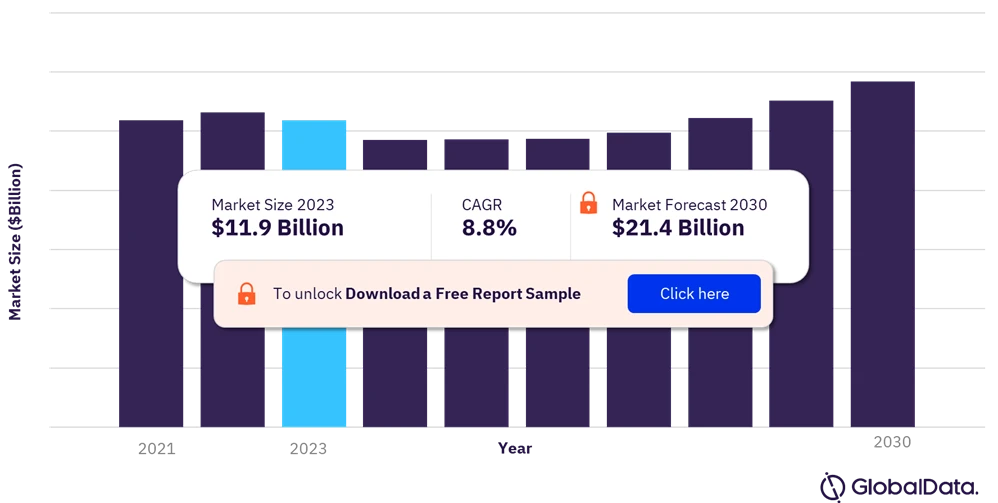

The QMS market is experiencing significant growth, driven by a confluence of factors, and this article delves deep into this dynamic sector.
Market Size and Growth Trajectory
The global QMS market is flourishing. According to Grand View Research, the market size reached an estimated USD 10.18 billion in 2023 and is projected to grow at a healthy Compound Annual Growth Rate (CAGR) of 10.6% until 2030 [1]. This growth can be attributed to several key drivers:
- Rising Demand for Streamlined Processes: Businesses are increasingly seeking ways to centralize and optimize their quality management activities. QMS offers a centralized platform for managing all quality-related tasks, from non-conformance reporting to corrective action implementation.
- Regulatory Compliance: Stringent regulations across various industries necessitate robust quality management systems. QMS helps companies comply with standards like ISO 9001, ISO 13485 (medical devices), and AS9100 (aerospace), ensuring adherence to quality benchmarks.
- Focus on Customer Satisfaction: In today\'s customer-centric environment, ensuring product and service quality is paramount to building brand loyalty. QMS facilitates a data-driven approach to quality, enabling continuous improvement and enhanced customer satisfaction.
- Technological Advancements: The integration of technologies like the Internet of Things (IoT) and Big Data into QMS is unlocking new possibilities. Real-time data collection and analysis provide valuable insights for proactive quality control and defect prevention.
Market Segmentation: Diverse Solutions for Varied Needs
The QMS market caters to a broad spectrum of industries, each with its unique quality management requirements. Here\'s a breakdown of the key market segments:
- By Deployment Model:
- Cloud-Based QMS: This segment holds the dominant market share due to its scalability, cost-effectiveness, and ease of access. Cloud-based solutions eliminate the need for hefty upfront infrastructure investments and offer anytime, anywhere accessibility.
- On-Premise QMS: While cloud adoption is rising, on-premise solutions still hold value for organizations with stringent data security needs or those operating in regions with limited internet connectivity.
- By Industry:
- Manufacturing: A longstanding user of QMS, the manufacturing industry leverages the software for managing production processes, ensuring product quality, and maintaining traceability throughout the supply chain.
- Healthcare: Patient safety is paramount in healthcare. QMS helps healthcare providers meet regulatory requirements, manage risk, and improve patient outcomes.
- Information Technology (IT): Software development companies utilize QMS to streamline development processes, identify and fix bugs early in the cycle, and ensure the delivery of high-quality software products.
- Other Industries: The application of QMS extends beyond these core sectors. Industries like aerospace, automotive, and food & beverage are increasingly adopting QMS solutions to enhance their quality management practices.
Benefits of Implementing QMS
The advantages of implementing a QMS are far-reaching. Here are some of the key benefits organizations can expect:
- Improved Efficiency: Streamlined workflows, automated tasks, and centralized data management lead to significant efficiency gains.
- Enhanced Quality Control: QMS facilitates proactive quality control measures, reducing defects and improving product consistency.
- Reduced Costs: By minimizing errors and non-conformance issues, QMS helps organizations save money on rework and recalls.
- Increased Customer Satisfaction: Consistent quality builds trust and customer loyalty, leading to increased customer satisfaction.
- Improved Regulatory Compliance: QMS helps organizations stay on top of regulatory requirements and demonstrate compliance to auditors.
- Data-Driven Decision Making: QMS provides valuable data insights for identifying quality trends, making informed decisions, and continuously improving processes.
Key Considerations When Choosing a QMS
With a plethora of QMS vendors in the market, selecting the right solution can be daunting. Here are some crucial factors to consider:
- Industry-Specific Features: Ensure the QMS caters to the specific needs of your industry and offers relevant functionalities.
- Deployment Model: Cloud-based or on-premise deployment depends on your budget, IT infrastructure, and data security requirements.
- Scalability: Choose a solution that can grow with your organization\'s needs.
- Ease of Use: A user-friendly interface is essential for ensuring user adoption and maximizing the software\'s benefits.
View Sample Report for Additional Insights on the Quality Management Software Market Forecast, Download a Free Report Sample


























Sign in to leave a comment.