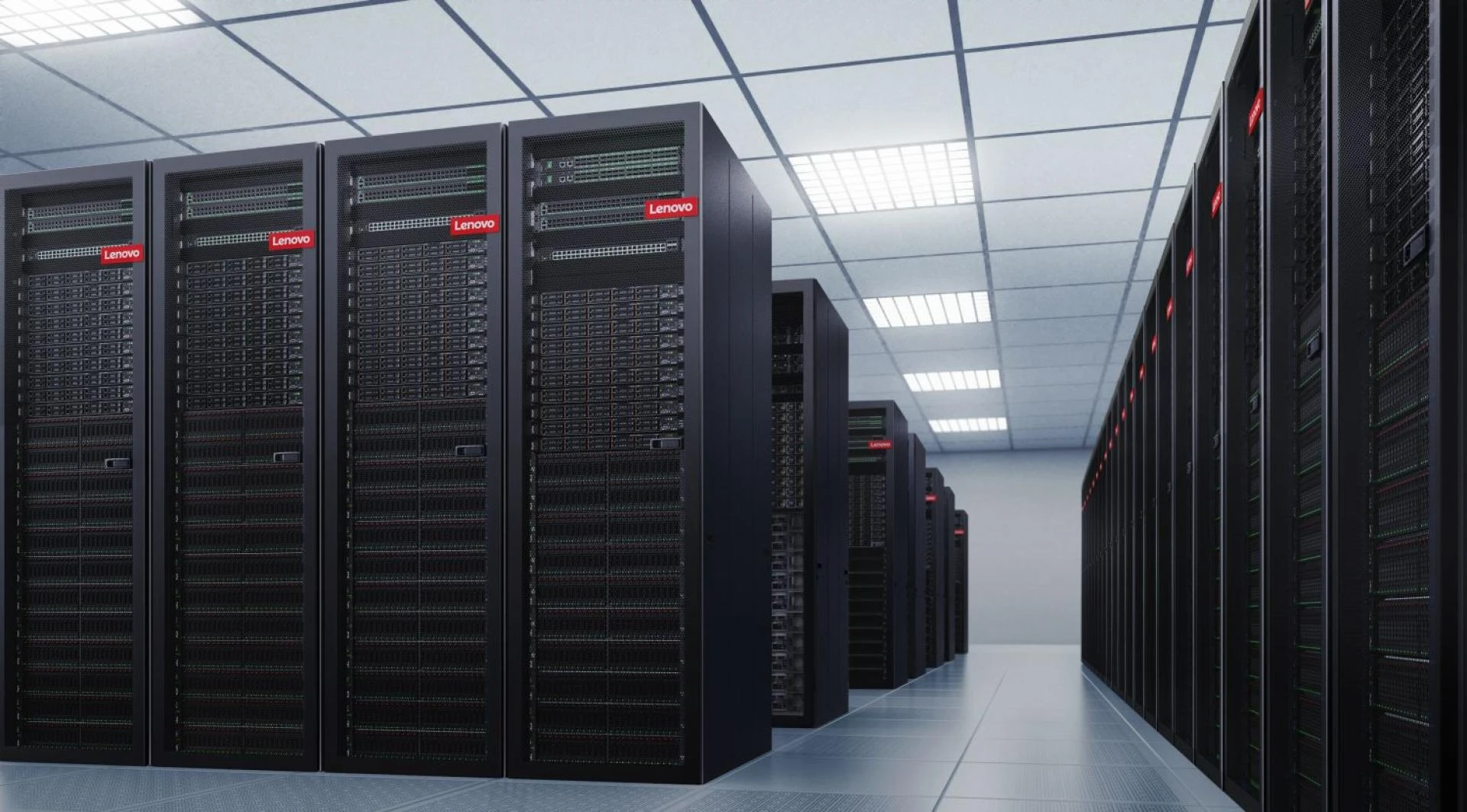

Strong and effective server solutions are in high demand as home networks increase to meet the expanding needs for video streaming, data storage, and home automation.
Rack servers are now making their way into home setups, offering a range of benefits and functionalities.
Let’s discuss the perks of having rack-mounted servers for home networks and how to select one for your use.
Benefits of Rack Servers for Home Networks
Rack servers for home networks can be the best option since they can easily handle heavy workloads because of their high performance and dependability. These servers have strong processors, lots of RAM, and cutting-edge storage options to guarantee dependable performance even with high utilization.
Space Efficiency
The space efficiency of these servers is one of their main advantages. Rack-mounted servers are installed in standardized server racks, which hold several servers in a small, vertical arrangement.
- This configuration makes the most of the available area, which makes it perfect for homes with limited space.
- A single rack can house multiple servers, which keeps your home network neat and uncluttered.
Expandability
Rack servers are very scalable, so you can expand your home network as your demands do. You don\'t need more floor space if you want to add more servers to your rack.
- This scalability is especially helpful for home customers who expect their data storage needs to grow or who want to add more services later on.
- Rack-type servers offer a scalable option that can expand with your network, regardless of your need for additional memory, processing power, or storage.
Improved cooling and power efficiency
Effective cooling and power management technologies are built into rack-type servers, which are essential for sustaining peak performance and longevity.
- Fan and air conditioning units are examples of dedicated cooling solutions that are frequently included with server racks to aid in efficient heat dissipation.
- In this way, you can keep your servers from overheating and make sure they run within safe temperature limits.
- Furthermore, the energy-efficient design of rack-mounted servers reduces overall power usage and your overall energy expenses.
Selection Criteria for Rack Servers
Choosing the right rack-mounted server for your home network involves considering various factors to ensure it meets your specific needs. Here are some essential criteria to keep in mind:
Processing Power
A rack-type server\'s processing power is an important consideration because it shows how well the server can manage workloads.
- Check the type and quantity of processors the server has to offer.
- Choose servers with multi-core processors and faster clock rates for home networks to enable seamless operation of various apps or services.
- Processors with AMD EPYC and Intel Xeon are popular options because of their high-grade performance and dependability.
Memory (RAM)
Your server and the apps it hosts must have enough memory to function properly. Based on your use cases, figure out how much RAM you require.
- 16GB to 32GB of RAM could be plenty for most applications.
- 64GB or more RAM is recommended for more taxing operations like virtualization, media streaming, or managing several virtual machines.
- Make sure the server can accept memory expansion to handle upcoming upgrades.
Storage Solutions
A server\'s storage is an essential component, especially for home networks that need large amounts of data storage.
- Solid-state drives (SSDs) and conventional hard disk drives (HDDs) are just two of the storage options available with rack-mounted servers.
- SSDs improve overall system performance by offering quicker read and write speeds.
- Think about how much storage you need and if the server can offer RAID setups for better performance and data redundancy.
- Easy maintenance and upgrading can also be facilitated with hot-swappable drive bays.
Network Connectivity
Communication between your server and other devices on your home network must be seamless, as it requires dependable network connectivity.
- Look for rack-mounted servers that have multiple gigabit Ethernet ports or ten gigabit Ethernet ports to achieve better data transfer speeds.
- A few servers also have network redundancy built in, so even if a network link fails, connectivity will still be maintained.
- Check for servers that provide wireless connectivity if a cable-free solution is more your style.
Expandability
You need to upgrade or add new components as your home network grows.
- Select a rack-type server with enough expansion bays and slots to accommodate more hardware.
- Additional RAM slots, PCIe slots for expansion card additions, and drive bays for larger storage capacity are examples of this.
- You can adapt to changing requirements without having to replace the entire system if the server is easily scalable.
Power Supply
An essential part of every server is the power supply unit (PSU).
- It’s important to ensure the rack server you choose has a dependable and effective power supply (PSU) that can manage the power needs of your system.
- Some rack-mounted servers have redundant power supplies, which give another degree of dependability by guaranteeing that the system can continue to function even if one PSU fails.
Cooling Solutions
Maintaining optimal server performance and preventing overheating requires effective cooling.
- Advanced cooling systems, including fans and heat sinks, are commonly included with rack-based servers.
- If your tasks involve running resource-intensive applications, check for servers with effective airflow designs and additional cooling options.
- Proper cooling increases the longevity of your server\'s parts in addition to improving performance.
Management Tools
The correct tools can make managing a home network easier. Look for rack-mounted servers with in-built management software or those that can be used with third-party management programs.
- The load of managing servers can be greatly reduced by implementing features like hardware diagnostics, automated alarms, and remote monitoring.
- You can maximize the performance of your server configuration by using servers that have thorough documentation and user-friendly interfaces.
Conclusion
Rack-mounted servers provide many advantages, such as improved performance, space efficiency, scalability, and centralized management for home networks. When choosing a rack server for your home network, think about options like processor power, memory, storage options, network connectivity, expandability, power supply, cooling options, and management tools.
Read More: The 12 Most Important Things to Know About Rack Servers






























Sign in to leave a comment.