

What Is Irradiation in Biology
Biological irradiators are specialized devices that deliver controlled doses of ionizing radiation to biological samples, such as cells, tissues, and small organisms. In the field of radiology, these devices have several important applications, particularly in research and clinical settings.
1. Radiobiology Research
Cellular Response to Radiation: Biological irradiators are used to study the effects of ionizing radiation on different cell types. This includes understanding how cells respond to radiation at the molecular and cellular levels, such as DNA damage, repair mechanisms, and cell cycle changes.
Mechanisms of Radiation-Induced Damage: Researchers use irradiators to investigate the mechanisms by which radiation causes cellular and tissue damage, including oxidative stress, apoptosis, and necrosis.
2. Radiation Protection and Safety
Radioprotectors: Biological irradiators are used to screen and evaluate compounds that can protect normal tissues from radiation damage. This is important for developing radioprotective agents that can be used in clinical settings to minimize side effects during radiotherapy.
Radiation Safety Studies: Irradiators are used to study the effects of radiation exposure on different tissues and organs, helping to establish safety guidelines and exposure limits for medical personnel and patients.
3. Genetic and Epigenetic Studies
Mutagenesis: Radiation is a powerful tool for inducing mutations, allowing researchers to study the effects of specific genetic changes and to create mutant strains for functional studies.
Epigenetic Modifications: Radiation can induce changes in DNA methylation and histone modification, providing a model to study the mechanisms of epigenetic regulation and the impact of epigenetic changes on gene expression and cellular function.
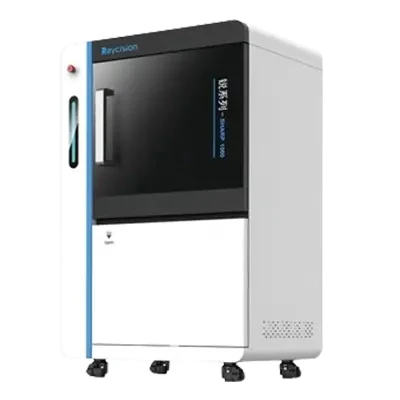
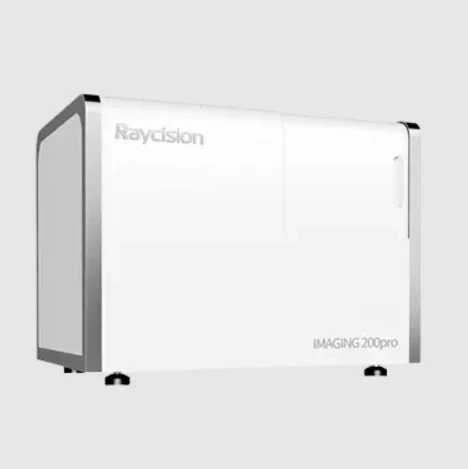
Raycision offers cutting-edge imaging technology and image guided radiation system for preclinical studies. Our radiation systems include everything from basic X-ray irradiators to multimodality image-guided precision radiation systems. The imaging systems offer a broad spectrum of capabilities extending from micro-CT imaging to optical molecular imaging. Whether for preclinical imaging or small animal radiation therapy, we are committed to providing products with exceptional performance and reliability.
































Sign in to leave a comment.