
DRUG DEVELOPMENT PRECLINICAL IMAGING AND RADIATION SYSTEMS
Optical molecular imaging is a powerful tool in drug development, offering unique capabilities for visualizing and quantifying biological processes at the molecular and cellular levels. This non-invasive imaging technique uses light to detect and measure the presence of specific molecules, cells, or biological events in living organisms.
Target Identification and Validation
Biomarker Discovery: Optical imaging can be used to identify and validate biomarkers that are indicative of disease states or therapeutic responses. Fluorescent and bioluminescent probes can highlight specific molecular targets, helping researchers understand their role in disease progression.
Mechanism of Action Studies
Pathway Analysis: Small animal optical imaging can be used to study the effects of drug candidates on specific signaling pathways. Fluorescent reporters can indicate the activation or inhibition of key molecular pathways, helping to elucidate the drug’s mechanism of action.
Real-Time Monitoring: The ability to visualize molecular events in real-time allows researchers to observe the immediate effects of drug candidates on cellular processes, providing dynamic insights into their mechanisms.
Pharmacokinetics and Pharmacodynamics
Drug Distribution: Small animal optical imaging can track the distribution of fluorescently labeled drugs within the body, providing spatial and temporal information on drug localization and accumulation in target tissues.
Drug Metabolism: By monitoring the fluorescence or bioluminescence signals, researchers can study the metabolic fate of drug candidates, including their absorption, distribution, metabolism, and excretion.
Drug Delivery and Release
Nanoparticle Tracking: Optical imaging can track the delivery and release of drug-loaded nanoparticles or other delivery systems. Fluorescent tags can indicate the localization and release kinetics of the therapeutic payload.
Targeted Delivery: By labeling targeting moieties with fluorescent or bioluminescent probes, researchers can evaluate the specificity and efficiency of targeted drug delivery systems.
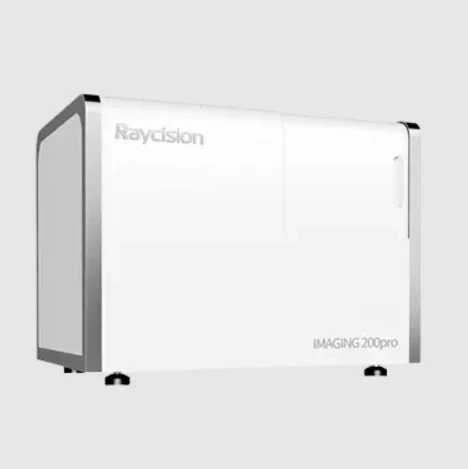
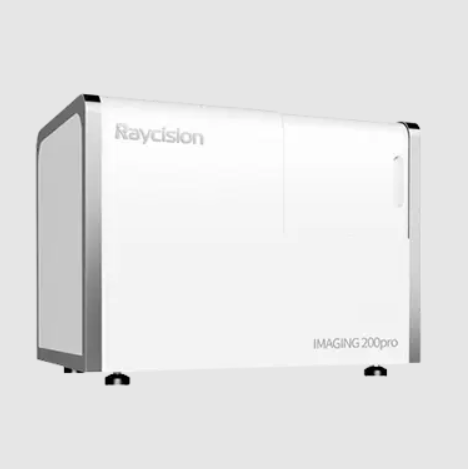
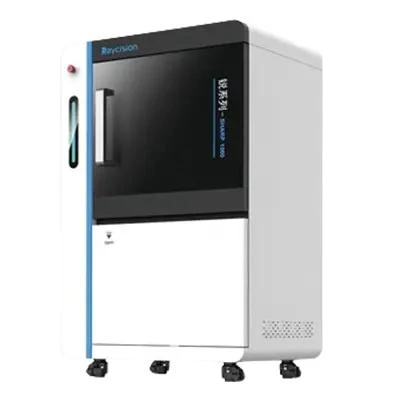
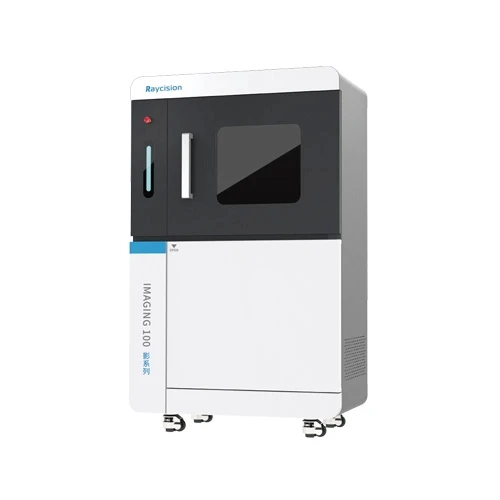
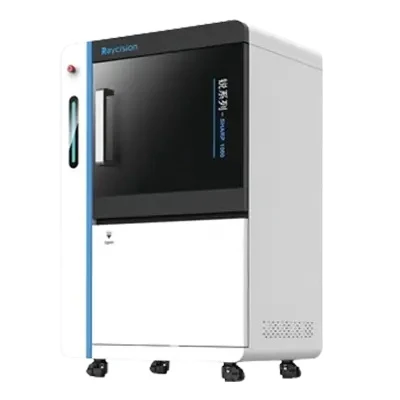
Raycision offers cutting-edge imaging technology and image guided radiation system for preclinical studies. Our radiation systems include everything from basic X-ray irradiators to multimodality image-guided precision radiation systems. The imaging systems offer a broad spectrum of capabilities extending from micro-CT imaging to optical molecular imaging. Whether for preclinical imaging or small animal radiation therapy, we are committed to providing products with exceptional performance and reliability.























Sign in to leave a comment.