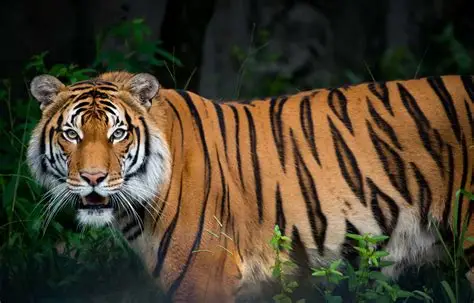

Rajasthan is often celebrated for its majestic forts, palaces, and desert landscapes, but beyond its cultural grandeur lies a world of forests, wetlands, and grasslands that host some of India’s most iconic wildlife species. Rajasthan Wildlife Tourism has grown steadily over the years, attracting nature lovers, photographers, and adventure seekers from across the globe. From the roar of tigers in Ranthambore to the flight of migratory birds in Bharatpur, Rajasthan offers a diverse and unforgettable wildlife experience.
Introduction to Rajasthan Wildlife Tourism
Rajasthan’s geography is often associated with arid deserts, but the state’s varied ecosystems support a wide range of flora and fauna. National parks, sanctuaries, and conservation reserves make Rajasthan a premier destination for wildlife tourism. The state is home to tigers, leopards, antelopes, migratory birds, and reptiles, offering travelers a chance to witness nature in its raw form.
Exploring Rajasthan Wildlife Tourism is not just about safaris—it’s about experiencing the delicate balance between conservation and community life in one of India’s most culturally rich states.
Major Wildlife Destinations in Rajasthan
1. Ranthambore National Park
- Highlights: Famous for its tiger population, Ranthambore is one of India’s most popular wildlife destinations.
- Wildlife: Tigers, leopards, sloth bears, marsh crocodiles, and a variety of deer species.
- Experience: Jeep safaris through dense forests and ruins of ancient forts make Ranthambore a unique blend of history and wilderness.
2. Sariska Tiger Reserve
- Highlights: Located in the Alwar district, Sariska is known for its tiger reintroduction program.
- Wildlife: Tigers, leopards, hyenas, jackals, and sambar deer.
- Experience: Safaris here offer a chance to see predators in action amidst rocky landscapes and dry deciduous forests.
3. Keoladeo National Park (Bharatpur Bird Sanctuary)
- Highlights: A UNESCO World Heritage Site, famous for migratory birds.
- Wildlife: Siberian cranes (seasonal), pelicans, storks, herons, and over 370 bird species.
- Experience: Bird-watching tours and cycle rickshaw rides make Bharatpur a paradise for ornithologists.
4. Desert National Park (Jaisalmer)
- Highlights: Showcases the unique desert ecosystem.
- Wildlife: Great Indian Bustard, desert fox, chinkara, and migratory raptors.
- Experience: Safaris across sand dunes reveal the resilience of life in arid conditions.
5. Mount Abu Wildlife Sanctuary
- Highlights: Located in the Aravalli Hills, offering a cooler climate.
- Wildlife: Leopards, wild boars, porcupines, and a variety of orchids and medicinal plants.
- Experience: Trekking trails and panoramic views make this sanctuary a refreshing escape.
6. Kumbhalgarh Wildlife Sanctuary
- Highlights: Surrounds the famous Kumbhalgarh Fort.
- Wildlife: Wolves, leopards, hyenas, and antelopes.
- Experience: Jeep safaris and trekking routes combine history with wildlife exploration.
7. Tal Chhapar Sanctuary
- Highlights: Known as the “home of blackbucks.”
- Wildlife: Blackbucks, desert foxes, and migratory birds.
- Experience: A serene destination for those interested in grassland ecosystems.
Unique Experiences in Rajasthan Wildlife Tourism
- Tiger Safaris: Ranthambore and Sariska offer thrilling encounters with India’s apex predator.
- Bird Watching: Bharatpur attracts bird lovers from around the world.
- Desert Safaris: Jaisalmer’s Desert National Park showcases rare species adapted to arid conditions.
- Cultural Integration: Many sanctuaries are located near villages, allowing tourists to experience local traditions alongside wildlife.
Conservation Efforts
Wildlife tourism in Rajasthan is closely linked to conservation.
- Tiger Projects: Ranthambore and Sariska are part of Project Tiger, ensuring protection of habitats.
- Community Involvement: Local communities are engaged in eco-tourism, reducing dependency on forest resources.
- Bird Conservation: Bharatpur plays a crucial role in protecting migratory bird species.
- Awareness Campaigns: Safaris and interpretation centers educate visitors about the importance of biodiversity.
Suggested Itinerary for Rajasthan Wildlife Tourism
Here’s a 7-day itinerary for travelers:
- Day 1: Arrival in Jaipur, travel to Ranthambore. Evening safari.
- Day 2: Morning safari in Ranthambore, visit Ranthambore Fort.
- Day 3: Travel to Bharatpur, bird-watching tour in Keoladeo National Park.
- Day 4: Head to Sariska, evening safari.
- Day 5: Travel to Jaisalmer, explore Desert National Park.
- Day 6: Visit Mount Abu Wildlife Sanctuary, trekking and sightseeing.
- Day 7: Explore Kumbhalgarh Wildlife Sanctuary, return to Udaipur for departure.
This itinerary covers the highlights of Rajasthan Wildlife Tourism while offering diverse experiences.
Best Time to Experience Rajasthan Wildlife Tourism
- October to March: Pleasant weather, ideal for safaris and bird-watching.
- April to June: Hot summer, but tiger sightings are more frequent near waterholes.
- July to September: Monsoon brings greenery, though safaris may be limited.
Winter and early summer are considered the best time to experience Rajasthan Wildlife Tourism.
Travel Tips
- Book Safaris in Advance: Limited slots are available, especially in Ranthambore.
- Carry Essentials: Binoculars, cameras, hats, and water bottles.
- Dress Comfortably: Neutral-colored clothing helps blend into the environment.
- Respect Wildlife: Maintain silence, avoid littering, and follow park rules.
- Explore Local Cuisine: Try Rajasthani delicacies like dal baati churma and gatte ki sabzi during your trip.
Why Choose Rajasthan Wildlife Tourism?
- Diverse Ecosystems: From deserts to wetlands, Rajasthan offers varied landscapes.
- Iconic Species: Tigers, leopards, blackbucks, and migratory birds.
- Cultural Integration: Wildlife tourism often overlaps with Rajasthan’s rich heritage.
- Memorable Experiences: Safaris, bird-watching, and trekking create lasting impressions.
Conclusion
Rajasthan Wildlife Tourism is more than just safaris—it is a journey into the heart of India’s biodiversity and cultural heritage. Whether you are listening to the roar of a tiger in Ranthambore, watching cranes take flight in Bharatpur, or marveling at the resilience of desert species in Jaisalmer, Rajasthan promises unforgettable experiences. The state continues to reign as one of India’s most captivating wildlife destinations, inviting visitors to discover its untamed beauty and timeless charm.





























Sign in to leave a comment.