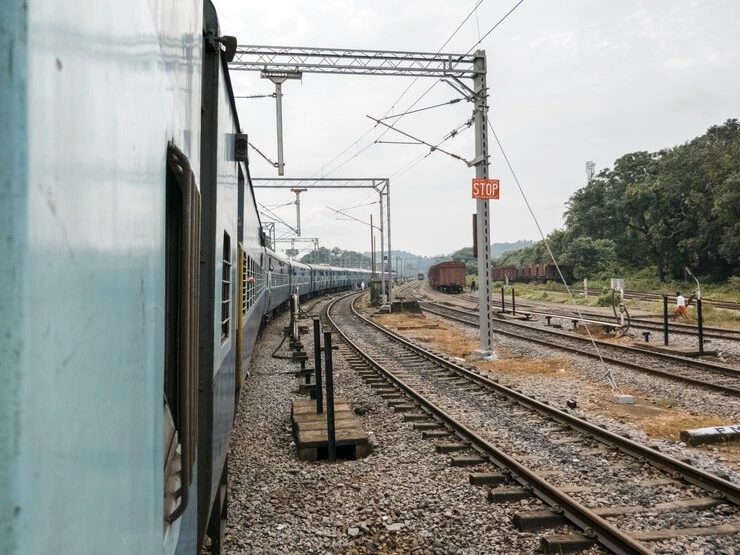

RAMS Management in Railway Systems and Its Role in Indian Railway Signalling
Railway systems across the globe are complex and require a structured approach to ensure safety, reliability, and efficiency. One of the most crucial methodologies applied in railway operations is RAMS Management in Railway Systems. In Indian railway signalling systems, RAMS principles play a vital role in enhancing operational efficiency and ensuring passenger safety.
RAMS Management in Railway Systems
RAMS is a structured methodology applied to railway operations to maintain system efficiency, minimize failures, and enhance safety. It consists of four key elements:
- Reliability – The ability of railway systems to function without failure for a specific period.
- Availability – The capability of a system to be in a functioning state when required.
- Maintainability – The ease with which a system can be repaired or maintained.
- Safety – Ensuring the system operates without posing risks to passengers and railway staff.
In Indian Railways, RAMS management ensures that electronic interlocking, track circuits, axle counters, and other critical signalling systems perform efficiently while meeting stringent safety standards.
Indian Railway Signalling Systems
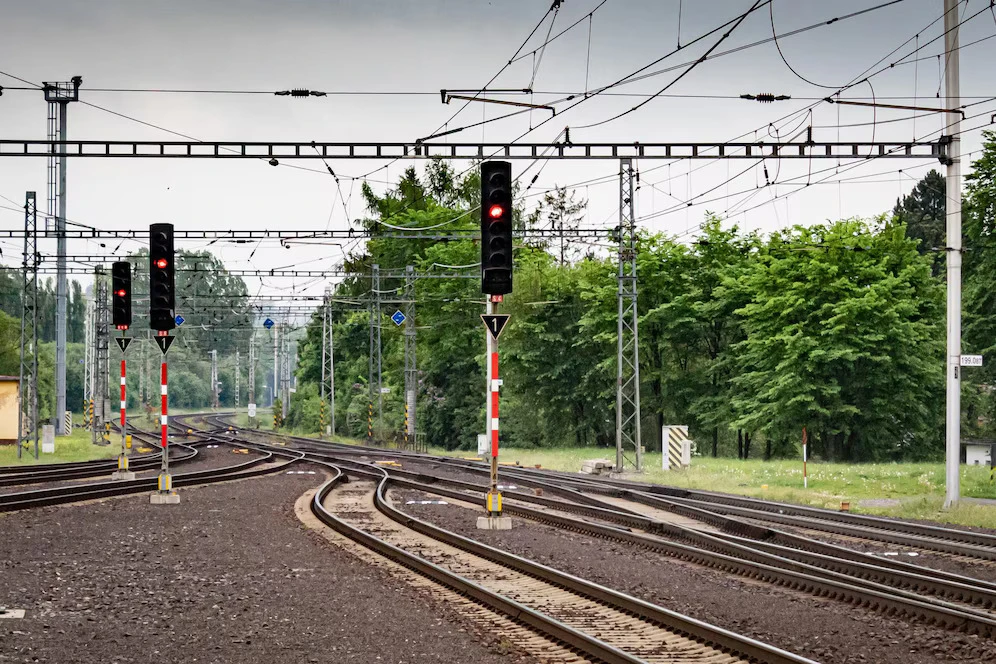
Indian Railway Signalling systems is one of the largest railway networks in the world, requiring a robust and efficient signalling system. Signalling plays a crucial role in preventing accidents, ensuring safe train operations, and improving overall efficiency.
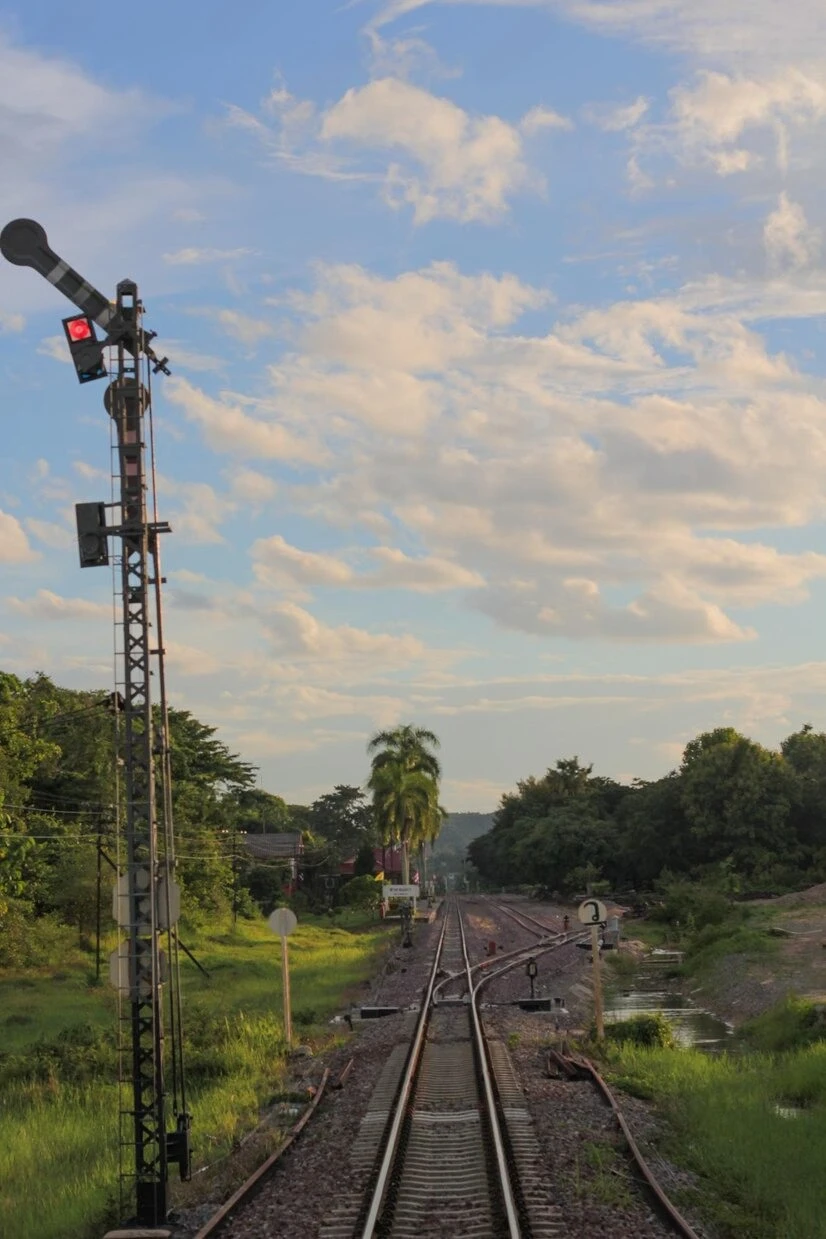
Modern railway signalling systems in India have evolved from traditional mechanical signals to electronic interlocking (EI) systems, which ensure real-time monitoring and enhanced safety. These systems integrate various safety components such as interlocking logic circuits, axle counters, and relay-based control systems to ensure trains operate safely and efficiently.
Companies like Sensedge contribute significantly to the advancement of Indian railway signalling by offering solutions that improve automation, verification, and validation processes in interlocking systems. With their expertise, railway signalling systems in India are transitioning to a more digitized and automated approach, reducing human intervention and improving accuracy.
Railway Signal Interlocking Logic Simulation System
The Railway Signal Interlocking Logic Simulation System plays a crucial role in testing and verifying interlocking logic before it is implemented in real railway operations. Simulation systems help in:
- Validating interlocking logic – Ensuring the logic is error-free before implementation.
- Identifying potential failures – Detecting design flaws that could lead to system failures.
- Reducing costs and time – Optimizing the development and testing process.
Sensedge has been at the forefront of providing cutting-edge interlocking logic simulation systems that allow railway engineers to simulate and verify railway signalling logic under various scenarios. This ensures that the interlocking logic is foolproof and meets the highest safety standards before real-world deployment.
Interlocking Logic Circuits in Railway Signalling
Interlocking logic circuits are the backbone of railway signalling systems. These circuits ensure that trains follow safe routes by preventing conflicting train movements. Some key aspects of interlocking logic circuits include:
- Route Setting and Locking – Ensuring that once a route is set, conflicting movements are automatically locked out.
- Signal Clearance – Granting signal permission only when the track is clear.
- Fail-Safe Mechanisms – Automatically setting signals to danger in case of system failure.
With the integration of advanced technologies, companies like Sensedge are contributing to the improvement of interlocking logic circuits through automation, simulation, and real-time validation. Their solutions help railway operators enhance safety, efficiency, and reliability.
Conclusion
The implementation of RAMS management, Interlocking Logic Circuits in Railway Signalling, and electronic interlocking circuits is essential for the future of Indian railway signalling systems. With the growing demand for efficient and safe rail transport, companies like Sensedge are playing a key role in modernizing railway operations. By leveraging cutting-edge technology, interlocking simulation tools, and verification methodologies, Indian Railways is set to achieve higher safety and operational efficiency in the coming years.

























Sign in to leave a comment.