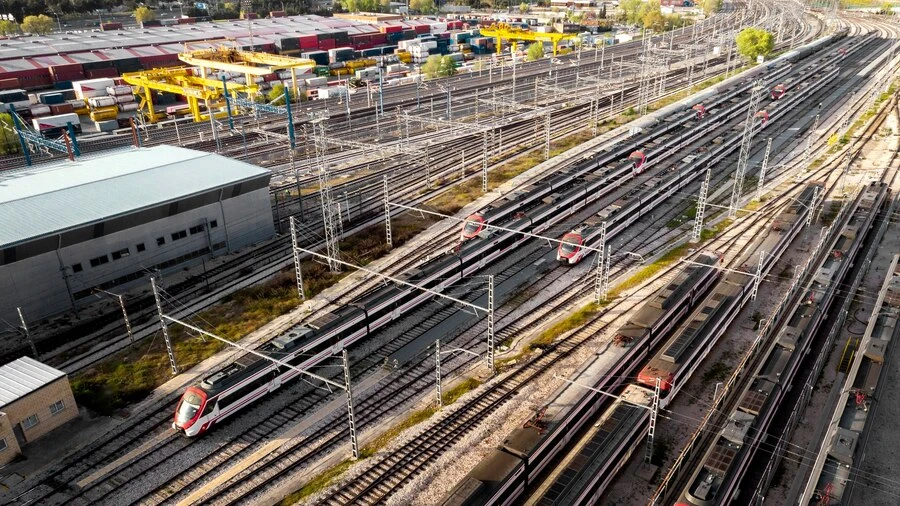

Electronic Interlocking System in Railways: Enhancing Safety and Efficiency
The railway industry has undergone significant advancements in technology to ensure safe and efficient train operations. One of the most crucial innovations is the Electronic Interlocking System, which has revolutionized railway signalling by replacing traditional relay-based interlocking. This modern system enhances operational efficiency, reduces human error, and improves railway safety standards.
Electronic Interlocking System in Railways
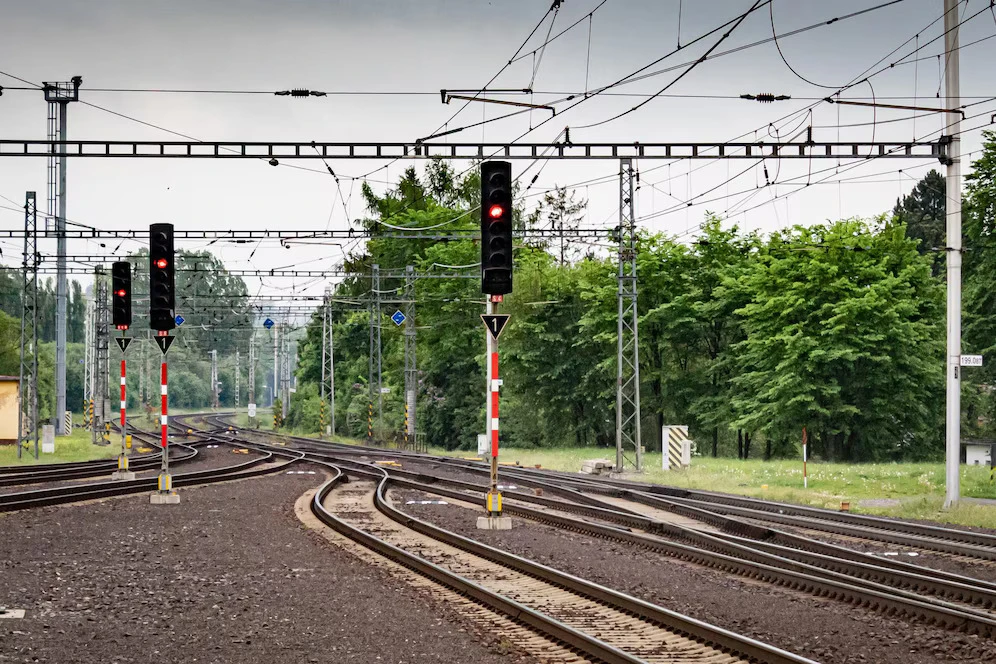
Electronic Interlocking is a fail-safe system that controls railway signal operations and track interlocking through computerized logic. Unlike conventional relay-based interlocking, which relies on extensive wiring and electromechanical relays, EIS utilizes microprocessors, reducing maintenance efforts and enhancing flexibility.
Key Benefits of Electronic Interlocking:
- Enhanced Safety: Prevents conflicting train movements and ensures fail-safe operations.
- Increased Efficiency: Faster response times and reduced manual intervention.
- Scalability: Easily adaptable to complex railway networks.
- Remote Monitoring: Enables centralized control and remote diagnostics.
- Reduced Maintenance Costs: Lesser reliance on physical components minimizes wear and tear.
Many railway networks worldwide, including Indian Railways, have adopted electronic interlocking to improve operational efficiency. Companies like Sensedge play a critical role in developing and implementing advanced interlocking solutions for modern railways.
Verification and Validation in Interlocking Systems
Verification and Validation in Interlocking Systems to ensure system reliability and compliance with international safety standards. V&V ensures that an interlocking system is developed correctly (verification) and meets all operational requirements (validation).
Verification in Interlocking Systems:
Verification involves checking whether the system design adheres to the specified requirements. It includes:
- Software Code Verification: Ensuring the correctness of the interlocking logic.
- System Testing: Identifying design flaws and rectifying them.
- Simulation Testing: Using virtual environments to test interlocking performance.
Validation in Interlocking Systems:
Validation ensures that the system meets functional and safety requirements before deployment. It includes:
- Field Testing: Real-world validation of interlocking system performance.
- Factory Acceptance Testing (FAT): Ensuring system reliability before installation.
- Site Acceptance Testing (SAT): Conducted post-installation to verify on-site functionality.
Companies specializing in railway automation, such as Sensedge, offer cutting-edge V&V solutions for interlocking systems, ensuring compliance with international safety standards like CENELEC EN 50128 and EN 50129.
Railway Automation Companies: Pioneering the Future of Rail Transport
With rapid advancements in railway technology, automation has become a key focus area. Railway Automation Companies are at the forefront of designing innovative systems to enhance efficiency, reduce costs, and improve passenger safety.
Key Areas of Railway Automation:
- Train Control and Monitoring Systems (TCMS): Real-time train performance tracking.
- Automatic Train Operation (ATO): Reducing human intervention in train operations.
- Predictive Maintenance Systems: AI-driven diagnostics to prevent failures.
- Digital Interlocking Systems: Smart signalling solutions for improved safety.
Railway automation companies, including Sensedge, specialize in developing interlocking simulation and verification tools that support automated testing of interlocking logic and signalling systems. Their expertise in automation solutions ensures higher reliability and efficiency in railway signalling.
IRSE Licenses in Railway Signalling Systems
The IRSE Licenses in Railway Signalling Systems is a globally recognized body that certifies professionals in railway signalling. An IRSE License is essential for engineers and organizations involved in railway signalling projects, ensuring competency and adherence to safety regulations.
Types of IRSE Licenses:
- Design License: For engineers involved in signalling system design.
- Testing & Commissioning License: For professionals responsible for testing railway signalling installations.
- Installation License: For personnel involved in installing signalling equipment.
- Maintenance License: For maintaining interlocking and signalling systems.
Railway automation companies like Sensedge play a crucial role in helping professionals obtain IRSE certifications by offering specialized training and expertise in interlocking logic simulation, verification, and validation tools.
Conclusion
The railway industry is rapidly evolving with advancements in electronic interlocking systems, railway automation, and verification & validation processes. Companies like Sensedge are at the forefront of providing state-of-the-art solutions that enhance railway safety, operational efficiency, and automation. With their expertise in interlocking simulation and testing, Sensedge continues to be a key player in shaping the future of railway signalling systems.




















Sign in to leave a comment.