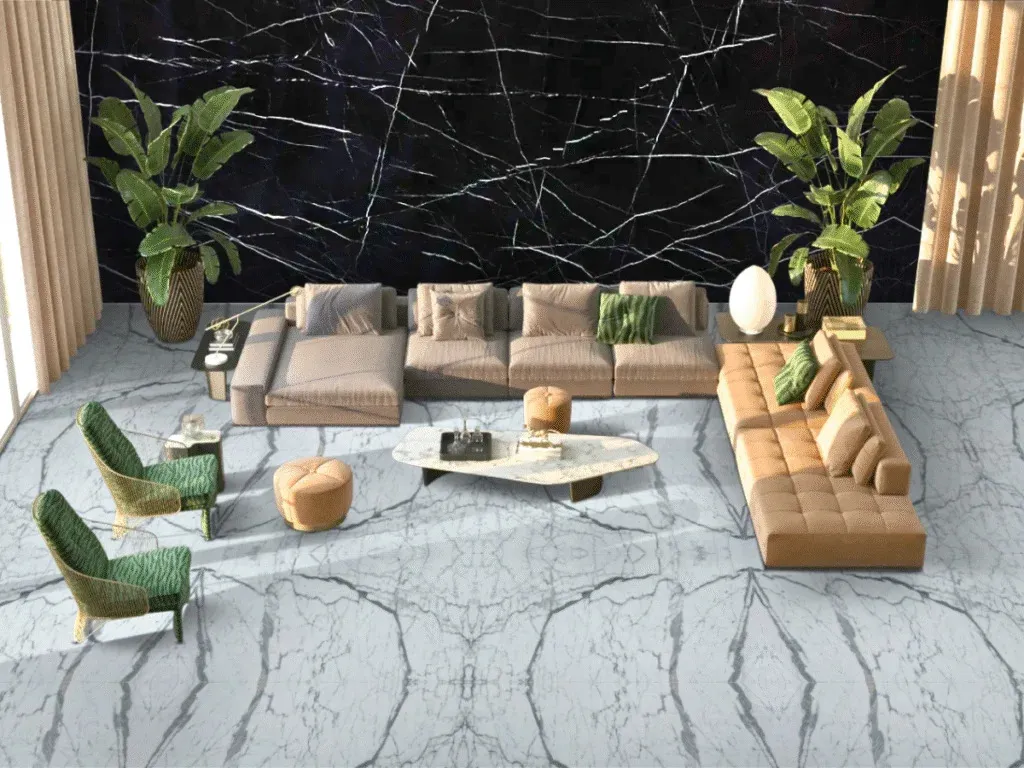

For centuries, natural stone has held a legendary status in global architecture. From historic monuments to modern luxury residences, the journey of a single block of stone from deep within the earth to a polished masterpiece is a testament to nature's artistry and human craftsmanship. Understanding the intricate natural stone process in india allows homeowners, architects, and interior designers to truly appreciate the value, durability, and raw beauty that genuine quarry marble brings to interior spaces.
The Journey from the Quarry to Your Living Space
The transformation of quarry marble is a rigorous blend of heavy engineering and artistic precision. It begins in the heart of rugged landscapes where massive blocks are carefully extracted using advanced wire-saws and diamond-tipped machinery. These raw, imposing blocks look nothing like the smooth, gleaming slabs seen in high-end showrooms.
Once extracted, the raw blocks are transported to state-of-the-art processing units. Here, they undergo a precise refinement sequence:
- Gang-saw Slicing: The massive blocks are cut into uniform slabs of varying thicknesses, usually ranging from 16mm to 30mm depending on the project requirements.
- Reinforcement: Rare and fragile marble varieties receive a fiberglass mesh backing to ensure structural integrity during transit and installation.
- Polishing and Finishing: The slabs pass through multi-head polishing lines where abrasive bricks progressively smooth the surface, bringing out the stone's hidden colors, intricate veining, and natural luster.
Elevating Interior Aesthetics with Authentic Texture
What makes quarry marble irreplaceable in interior design is its absolute uniqueness. No two slabs are identical. The distinct veining patterns—caused by mineral impurities like clay, silt, sand, or iron oxides present during the stone’s formation—create a visual drama that synthetic alternatives simply cannot replicate.
When a premier marble supplier in india sources these stones directly from reputable quarries, it ensures that the inherent structural strength and thermal properties of the marble remain intact. Incorporating this material into interior spaces offers distinct design advantages:
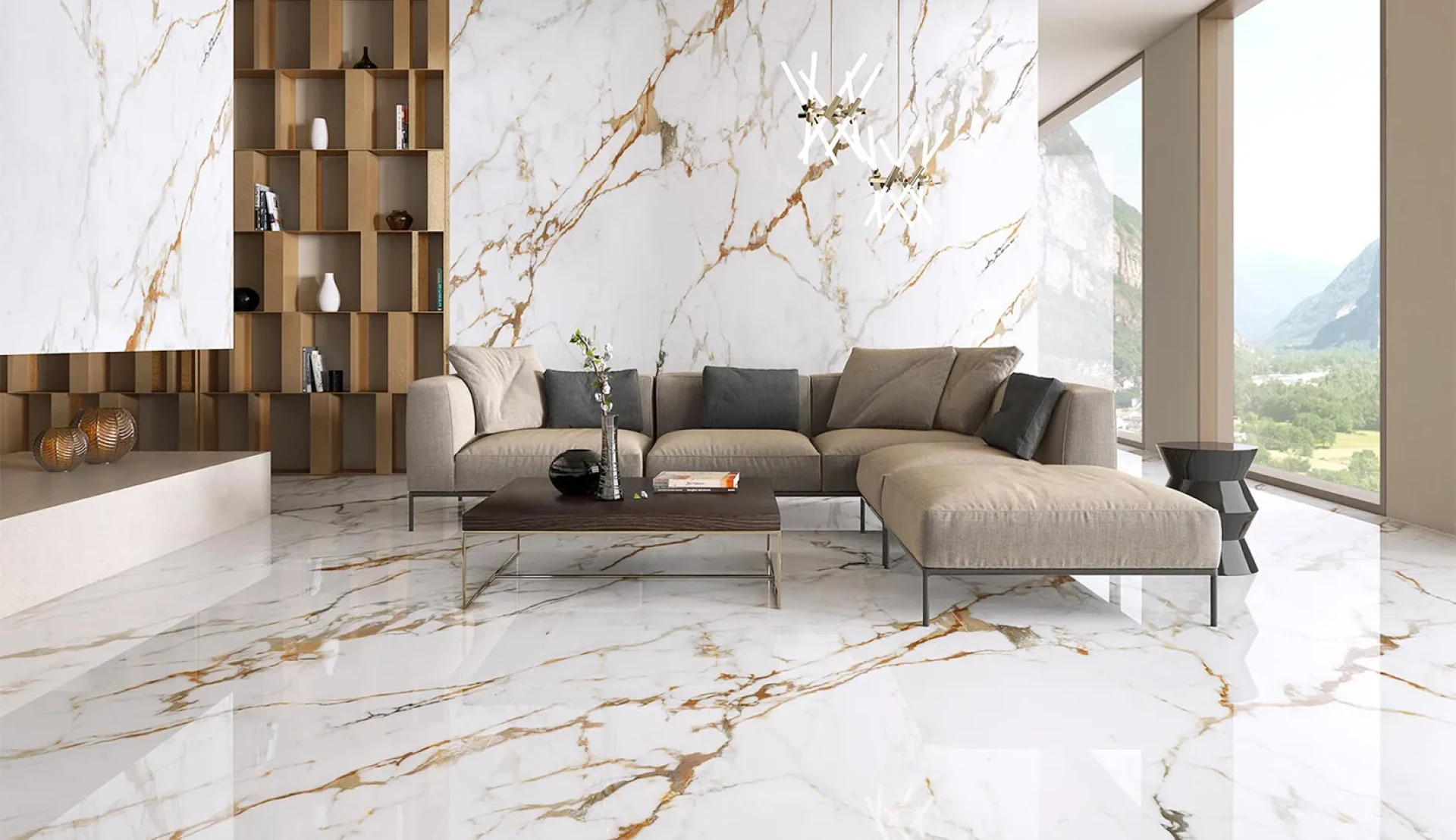
- Visual Continuity: Large-format marble slabs allow for "book-matching," where adjacent slabs mirror each other to create a seamless, artwork-like pattern on floors or feature walls.
- Luminous Depth: Unlike printed porcelain or quartz, natural marble possesses a slight translucency. Light penetrates the top layers of the stone before reflecting back, giving the material a characteristic glow and depth.
- Thermal Regulation: Natural stone has high thermal mass, meaning it naturally absorbs heat and keeps interior spaces comfortably cool, especially in warmer climates.
Strategic Applications in Modern Architecture
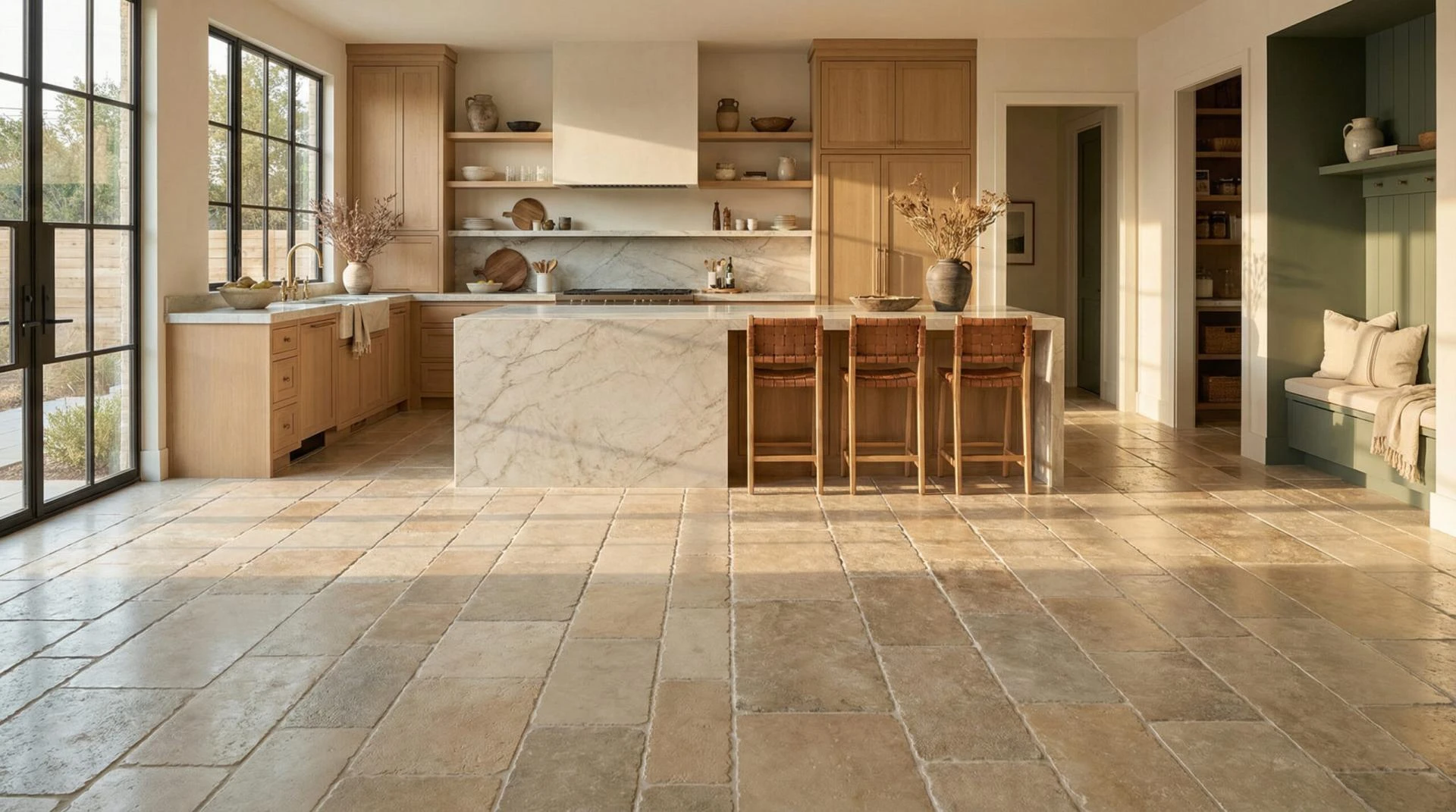
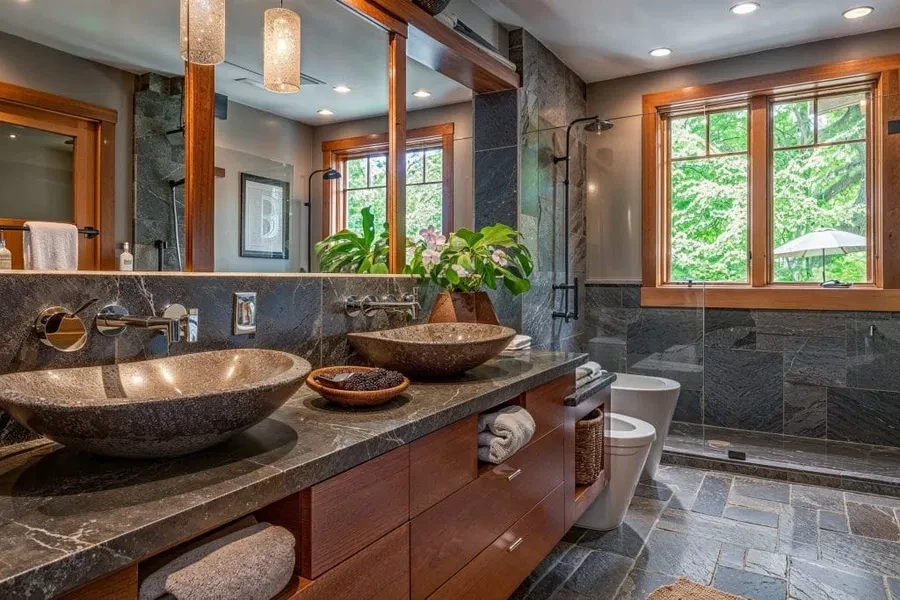
Designers use refined quarry stone to create focal points that ground an entire room's design scheme. In living areas, a book-matched marble television backdrop or an accent wall elevates the space from ordinary to sophisticated. In kitchens and bathrooms, the material transitions into functional luxury. A solid marble island counter or a seamless vanity top adds a sense of permanence and weight.
Beyond aesthetic appeal, integrating various natural elements creates a balanced environment. While marble offers elegance and fluidity through its sweeping veins, pairing it with structural accents like granite adds contrast in texture and density. Collaborating with an established granite exporter in india allows designers to source complementary hard-wearing stones for high-traffic zones, outdoor patios, or heavy-duty countertops, creating a holistic design language throughout a property.
Longevity, Investment, and Sustainable Luxury
In an era increasingly focused on sustainability, quarry stone stands out as an eco-conscious building material. It requires no synthetic chemicals or artificial binding agents during production; it is entirely shaped by geological time and mechanical refinement.
Investing in authentic quarry stone is an investment in the long-term appraisal of a property. While trends in synthetic tiles and wallpapers fade every few years, natural marble ages gracefully. Over decades, it can be re-polished and restored to its original brilliance multiple times, making it a permanent asset rather than a temporary decorative choice. Understanding the journey from raw earth to refined luxury allows us to appreciate marble not just as a flooring material, but as a piece of natural history permanently preserved within our homes.





















Sign in to leave a comment.