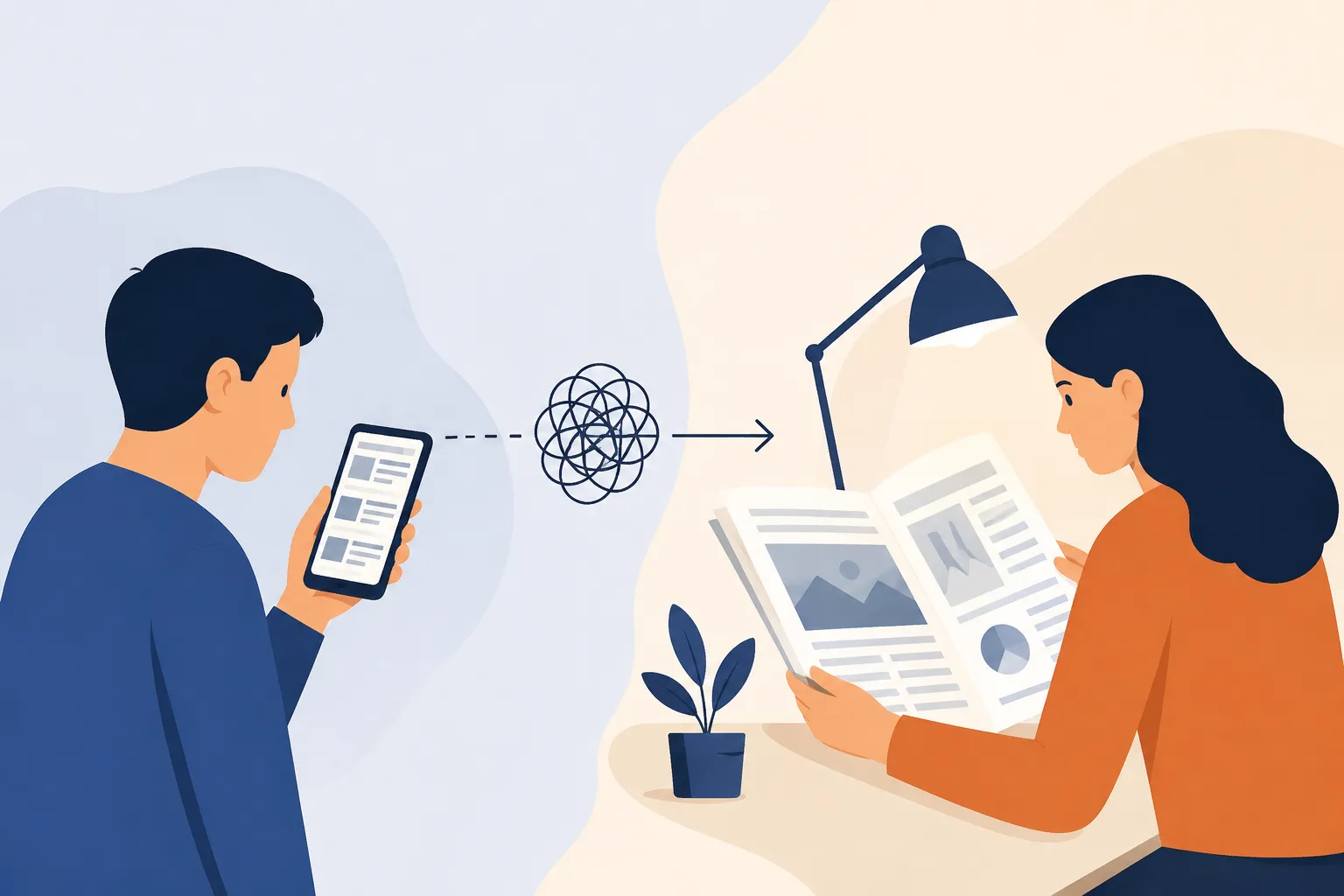


A headline is designed to make you stop scrolling. It may tell you what happened, hint at why it matters, or simply create enough curiosity to make you open the story. The problem begins when the headline becomes the entire story.
Reading only headlines can create the feeling of being informed without providing enough context to actually understand an issue. A person may know that an election result changed, a company announced something significant, or a market moved sharply, but still have little idea about what caused it, what the numbers mean, or what happened afterward.
Headlines Cannot Tell the Whole Story
News stories often involve several layers of information. A headline may highlight the most striking development, while the article explains the circumstances behind it.
Consider a headline saying that inflation has increased. Without reading further, a reader does not know which prices increased, how large the change was, whether the rise was expected, or how economists and policymakers interpret it.
The same problem appears with scientific studies, court decisions and political announcements. A headline can accurately summarize one part of an event while leaving out details that change how the information should be understood.
Social Media Makes the Problem Worse
Social platforms have made headline-based news consumption especially common. News appears alongside entertainment, advertisements, opinions and personal posts, encouraging people to consume information quickly.
Pew Research Center found that most news consumers on TikTok, X, Facebook and Instagram encounter news that seems inaccurate at least sometimes. On X and Facebook, 37% and 33% respectively said they often see inaccurate news.
Speed is one reason people continue using these platforms for news. Another Pew study found that convenience is a major attraction, while 40% of Americans who get news on social media identified inaccuracy as the thing they dislike most about the experience.
For readers who want a broader view, sources such as Wow News 24x7 can help by bringing business, technology, finance and current-affairs developments together rather than reducing every event to an isolated headline.
Context Changes Meaning
Two headlines about the same event can create completely different impressions.
A report might say that a company's profits have fallen. That sounds negative. But the full article might reveal that profits fell because the company spent heavily on expansion, while revenue increased and management expects stronger growth later.
Without that context, readers can reach conclusions that the original reporting never intended.
Reuters Institute research has also highlighted how readers make their own meaning from news stories and how relevance influences what they choose to read.
Context is particularly important when dealing with statistics. A percentage can sound enormous until you see the underlying number. A single quote can appear controversial when separated from the question that prompted it. A market movement can seem dramatic without knowing what happened in the wider economy.
Headlines Can Encourage Quick Judgments
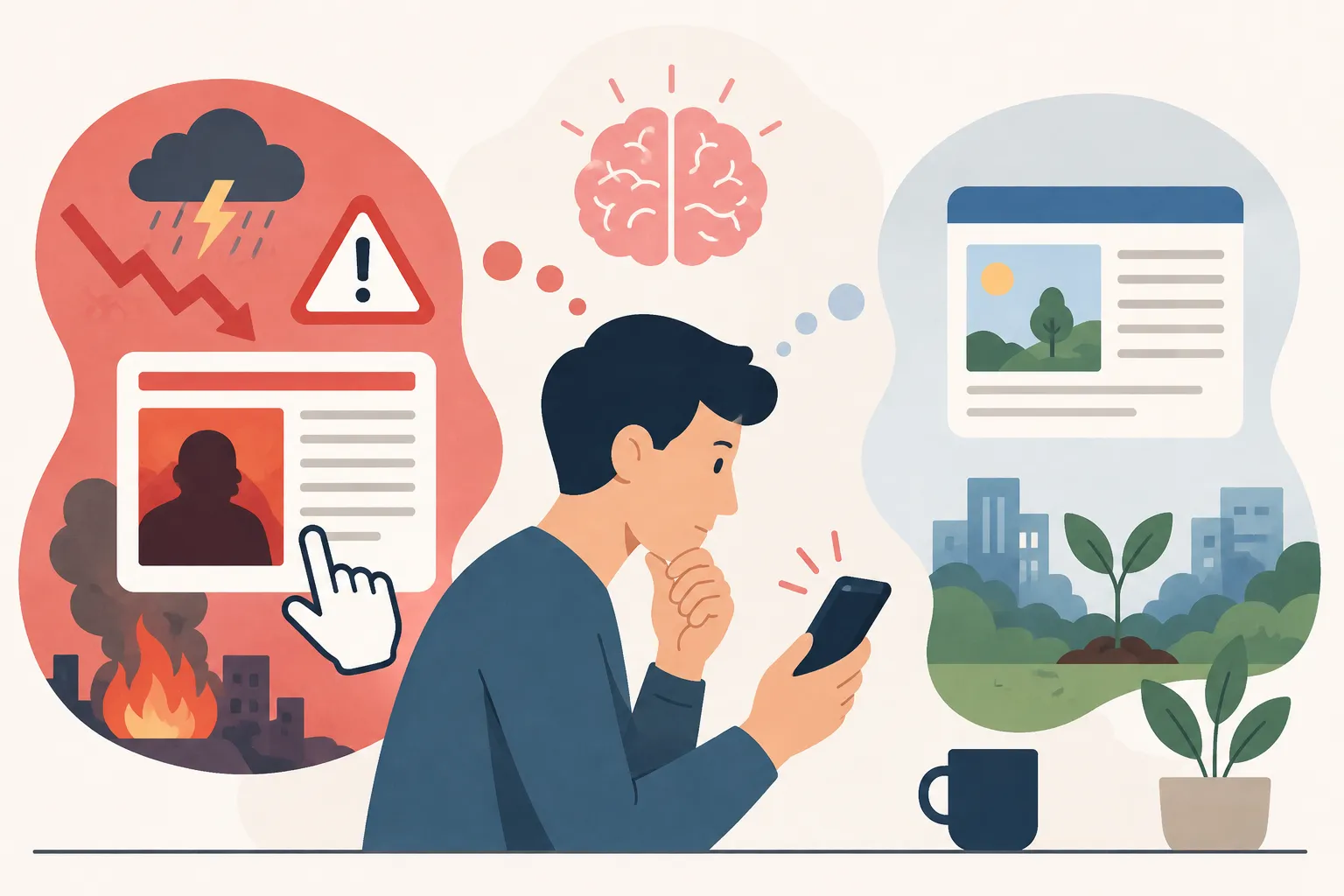
Once people form an opinion from a headline, they may become less willing to reconsider it. This is especially risky with political, economic and social issues, where stories often involve competing claims and incomplete information.
Pew Research Center reported that 52% of Americans surveyed about 2024 election news said they generally found it difficult to determine what was true and what was not.
The answer is not to stop reading news. Research from the Reuters Institute suggests that news use can, in some circumstances, increase awareness of false claims and reduce belief in misinformation.
The difference is depth.
A Better Way to Consume News
You do not need to read every article from beginning to end. A better habit is to slow down when a story could influence your decisions or your understanding of an important issue.
Read beyond the headline. Check the publication date. Look for the original source behind major claims. Compare important developments with another credible news outlet. And pay attention to whether a headline describes a confirmed fact, an allegation, a prediction or someone's opinion.
Ten minutes of careful reading can provide more useful understanding than an hour spent scrolling through dozens of headlines.
Being informed is not about seeing the most news. It is about understanding enough of the news to know what actually happened.





























Sign in to leave a comment.