
Why Bad News Grabs Our Attention
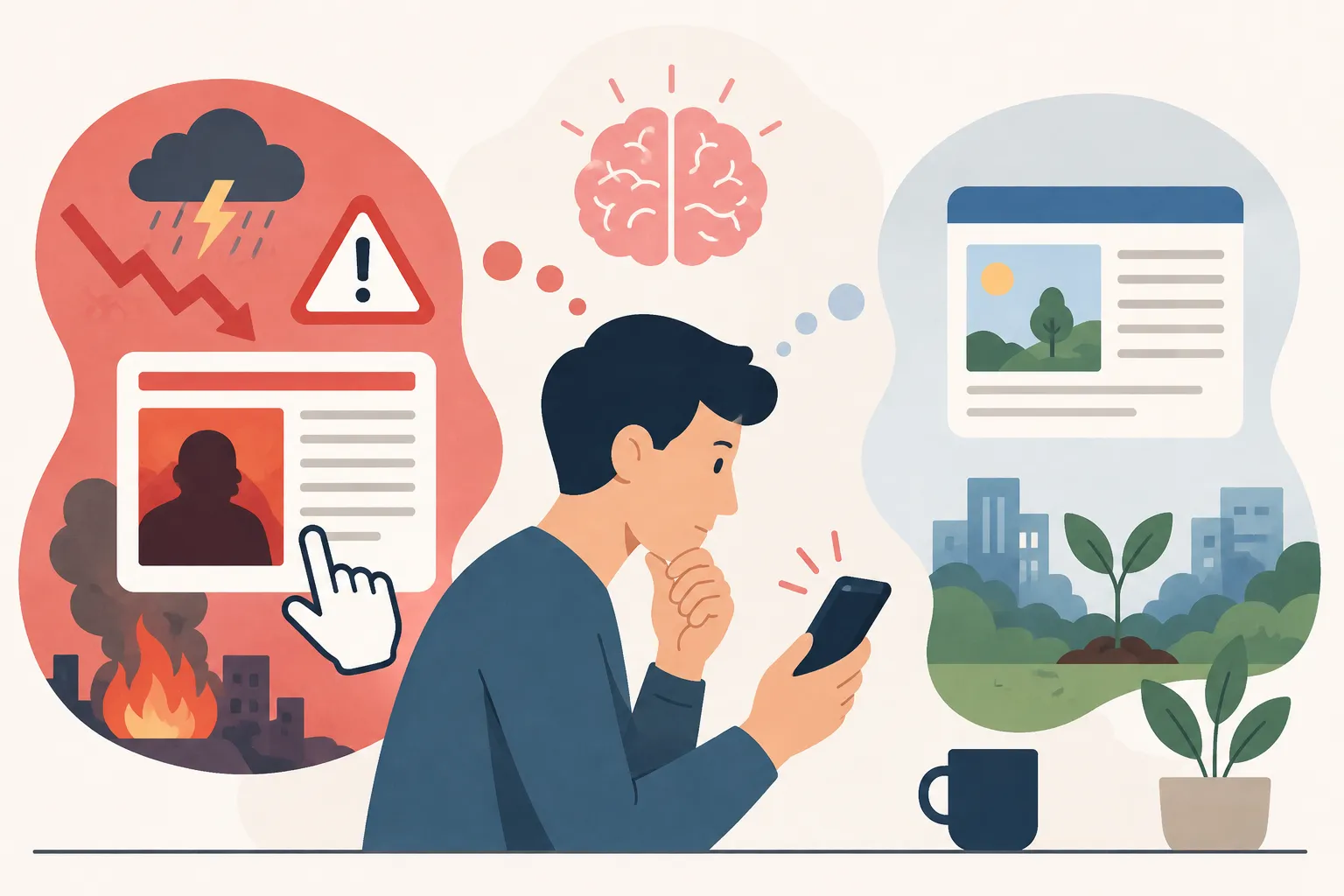
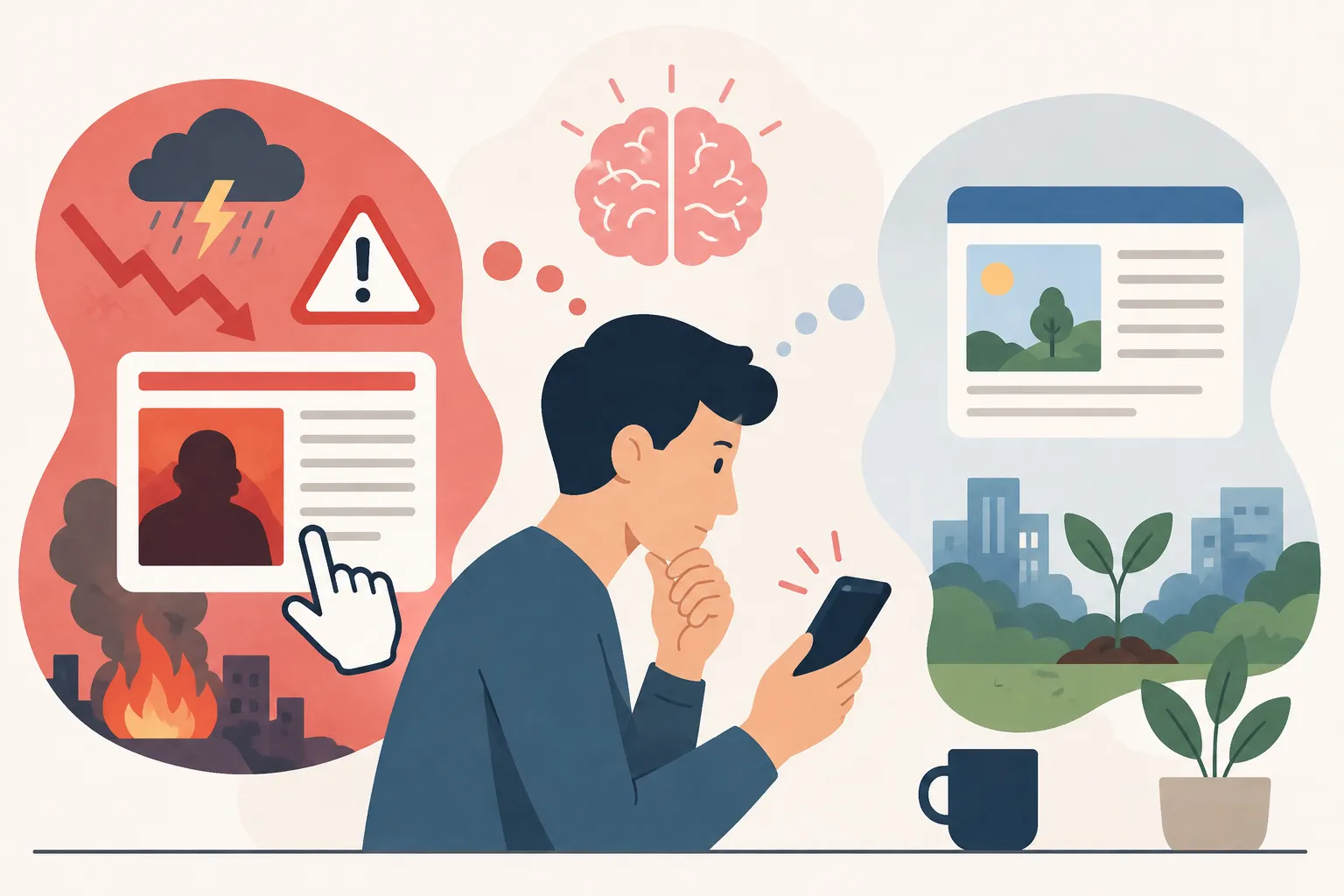
Ever noticed how your thumb magically stops scrolling when you see a headline that starts with "Disaster," "Scandal," or "Crisis"? Meanwhile, a story about a community planting 5,000 trees barely gets a second glance. It's not because people enjoy bad news, most of us would happily trade gloomy headlines for something cheerful. The truth is, our brains are simply wired to notice potential threats first.
That instinct helped our ancestors survive. Paying attention to danger was often more important than admiring a beautiful sunset. While most of us aren't worrying about saber-toothed tigers anymore, our brains still respond quickly to anything that signals conflict, uncertainty, or risk.
This natural tendency shapes the way we consume news today. Reading updates from trusted platforms such as Wow News 24x7 is valuable, but understanding why certain headlines immediately catch our attention helps us become more thoughtful readers instead of simply reacting to every alarming story.
The Science of Negativity Bias
Psychologists call it negativity bias. Simply put, negative experiences tend to have a stronger impact on our minds than positive ones.
Think about your own day. You might receive ten compliments at work, but one piece of criticism stays with you all evening. That's negativity bias in action.
The same thing happens with news. Headlines about economic downturns, political disagreements, natural disasters, or celebrity controversies often generate more curiosity than stories about steady growth or everyday success. It's not necessarily because they're more important. They simply trigger a stronger emotional response.
News organizations understand this behavior because they see it reflected in readership patterns. Stories that create urgency or concern often receive higher engagement than those describing ordinary events.
Curiosity and Uncertainty Keep Us Clicking
Negative headlines also create a sense of unfinished business in our minds.
A headline that says, "Major Security Flaw Discovered" immediately raises questions. Am I affected? What happened? Is there something I need to do?
Our brains dislike unanswered questions, so we click to fill in the missing information.
Some headlines use this naturally, while others stretch it into clickbait. They hint at shocking developments without providing enough detail, encouraging readers to click simply to satisfy their curiosity. Sometimes the article delivers useful information. Other times, the headline promises far more drama than the story actually contains.
Social Media Makes Negative Stories Spread Faster
Social media has completely changed how news travels.
Instead of visiting a news website every morning, many people discover stories through Instagram, Facebook, X, LinkedIn, or messaging apps. These platforms are designed to promote content that generates reactions, comments, and shares.
Unfortunately, negative news often produces stronger emotions than positive news. People are more likely to comment on stories that make them angry, worried, or surprised. Every reaction increases visibility, meaning even more people encounter the same headline.
This creates a cycle where emotionally charged stories travel farther, regardless of whether they're the most important events of the day.
Recent Examples Show the Pattern
The pattern has been easy to spot over the past couple of years. During the 2024 U.S. presidential election campaign, controversial headlines and dramatic political clips spread rapidly across social media. Many users shared posts before reading the full articles or checking whether the information had been verified. By the time fact-checks appeared, millions had already seen the original claims.
A similar trend appeared during several major stock market swings in 2025. Headlines predicting financial disaster spread quickly online, even though many market experts described the movements as temporary corrections rather than long-term collapses. Readers who relied only on headlines often walked away with a far more alarming impression than the full reports suggested.
Why Positive News Sometimes Gets Overlooked
Positive stories face a different challenge.
Headlines about scientific breakthroughs, successful conservation efforts, or communities helping one another usually unfold gradually. They rarely create the same sense of urgency as a crisis.
That doesn't make them less meaningful.
In fact, research has shown that regularly consuming only negative news can leave people feeling more anxious and pessimistic about the world than reality justifies. Good news exists every day—it simply competes against stories that naturally demand our attention.
Becoming a Smarter News Reader
Understanding negativity bias doesn't mean ignoring difficult news. Serious issues deserve coverage and public attention.
What it does mean is recognizing when your emotions are being pulled by a headline alone. Before reacting or sharing a story, take a few extra moments to read the full article. Check whether multiple reliable outlets are reporting the same facts. Ask yourself whether the headline accurately reflects the story or simply exaggerates one detail to attract attention.
It's also healthy to balance your news diet. Reading stories about innovation, education, healthcare, science, and community achievements provides a more complete picture of what's happening in the world.
Final Thoughts
Negative news will probably always attract more clicks because that's how the human brain has evolved to process potential threats. But understanding that instinct gives us an advantage. Instead of letting every alarming headline shape our opinions, we can pause, read deeper, and look for context.
The next time a dramatic headline grabs your attention, remember that curiosity is natural—but informed decisions come from reading beyond the first impression. The more thoughtfully we consume news, the better equipped we are to separate genuine importance from simple attention-grabbing tactics.






























Sign in to leave a comment.