
You must have noticed this thing: your electricity bill spikes in the hottest or coldest months, especially. And it must have made you contemplate why it is so. Well, the answer lies in peak demand.
Those few hours when everyone is running appliances at once, and the grid is working overtime, sometimes costing you more. One surprisingly big driver of that load is water heating. It hums along all day, quietly using a lot of power.
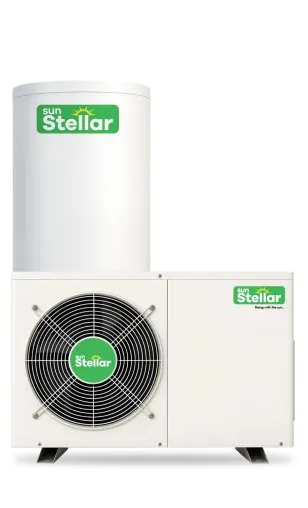
That’s where the heat pump water heater comes in. Being built differently from a conventional electric tank can actually provide real relief to your wallet and power grid.
From this article, you will know how they ease pressure on the grid, its cost, and whether they make sense for your home.
What is a heat pump water heater?
A traditional electric water heater acts like a giant kettle, and just like how a toaster heats bread, it uses its electric element to create heat and warm the water directly. Simple, reliable, but energy-hungry; it’s making heat from scratch.
A heat pump water heater takes another approach, and that is creating heat. It simply pulls warmth from the surrounding air and transfers that energy into the tank, similarly to a refrigerator running in reverse.
Because it’s relocating existing heat rather than producing it, it uses a fraction of the electricity for the same amount of hot water.
Sometimes people mix up heat pump water heaters with whole-home heat pumps (the systems that heat and cool your living space).
They share the “move heat, don’t make it” idea. But what people need to understand is that they’re different appliances with different purposes, prices, and installation needs.
How they reduce peak electricity demand
There are two practical ways heat pump water heaters help the grid.
- Lower baseline power draw: Because these units are far more efficient, each household pulls less electricity for hot water during peak periods, especially in mornings and evenings when everyone’s showering, cooking, and doing laundry. Those individual savings add across a neighbourhood.
Smart load shifting: Many modern heat pump water heaters are grid-interactive. They can be scheduled to heat during off-peak hours, say, late at night or early afternoon.
When electricity is cheaper, and the grid isn’t strained. Your tank becomes a thermal battery; it stores heat when power is plentiful, so hot water’s ready when demand and prices spike.
Heat Pump Water Heater Price & Cost Savings
Let’s talk about the thing that people always pay attention to: the upfront cost, which is something that usually makes people hesitate.
- Heat pump water heaters typically have a higher price than the basic traditional one, and it can also vary with the tank size, efficiency, installation, and can also add extra to your budget if your home needs adjustments in the ventilation system to accommodate the new system.
- Compared to traditional water heaters, it uses less energy to run day-to-day and, over a period of time, makes homeowners notice lower water heating costs.
- There’s another boost to the maths: incentives. These days, utility companies, state programs, and sometimes federal initiatives frequently offer rebates or tax credits for switching to heat pump water heaters. Since they reduce strain on the grid.
Performance in High-Temperature Needs & Climates
A common question home owners usually ask is whether it will be able to fulfil the hot water requirement of my home if I stay in an extremely hot and cold climate?
Because these units pull heat from the surrounding air, their efficiency does depend on ambient temperature. In warm or moderate climates, they perform very well; there’s plenty of heat to harvest, so the system doesn’t have to work hard.
If you live somewhere hot, then it's good for your heat pump water heater, but in cold climates, things get a little trickier.
When the air is freezing, there’s less heat to move, so efficiency drops, and the unit may rely on a backup electric element to meet demand. That sounds worrying, but it’s not a deal-breaker.
Many new models are designed for cold climates or come as hybrid units that perform very well even in temperatures below freezing.
Big families with back-to-back showers, a dishwasher, and laundry need a unit with enough tank capacity and recovery speed.
The good news: manufacturers offer a range of tank sizes, and some hybrid models can temporarily boost output in a more traditional way when demand spikes, giving you flexibility without wasting energy the rest of the time.
Is a Heat Pump Water Heater Right for Your Home?
Here we have mentioned some pointers that will help you to understand that if a heat pump water heater is a good fit for your house or not:
- It is right for your home if you have a house with decent space for the airflow since it draws heat from the surroundings.
- If your electrical panel can handle it, or you’re okay with a modest upgrade.
- It is right for your home if you plan to stay in the house long enough to recoup the higher upfront cost.
- If you choose a cold-climate or hybrid model if winters are harsh.
Is a Heat Pump Water Heater Worth the Switch?
By now, you should have this understanding that choosing a heat pump water heater is not only about getting hot water. It is that small decision that plays an essential role in easing the pressure on the electricity grid that we all share.
With energy efficiency, smart scheduling, and available rebates, it is one of the most practical modern upgrades that households can make to ease the pressure on their wallet, too.
Hopefully, now you won't pause and can be confident that if heat pump water heater is a right fit for your home or not. So whether you are looking for a new heat pump water heater for your home or replacing an old tank, this upgrade is definitely worth taking seriously.





























Sign in to leave a comment.