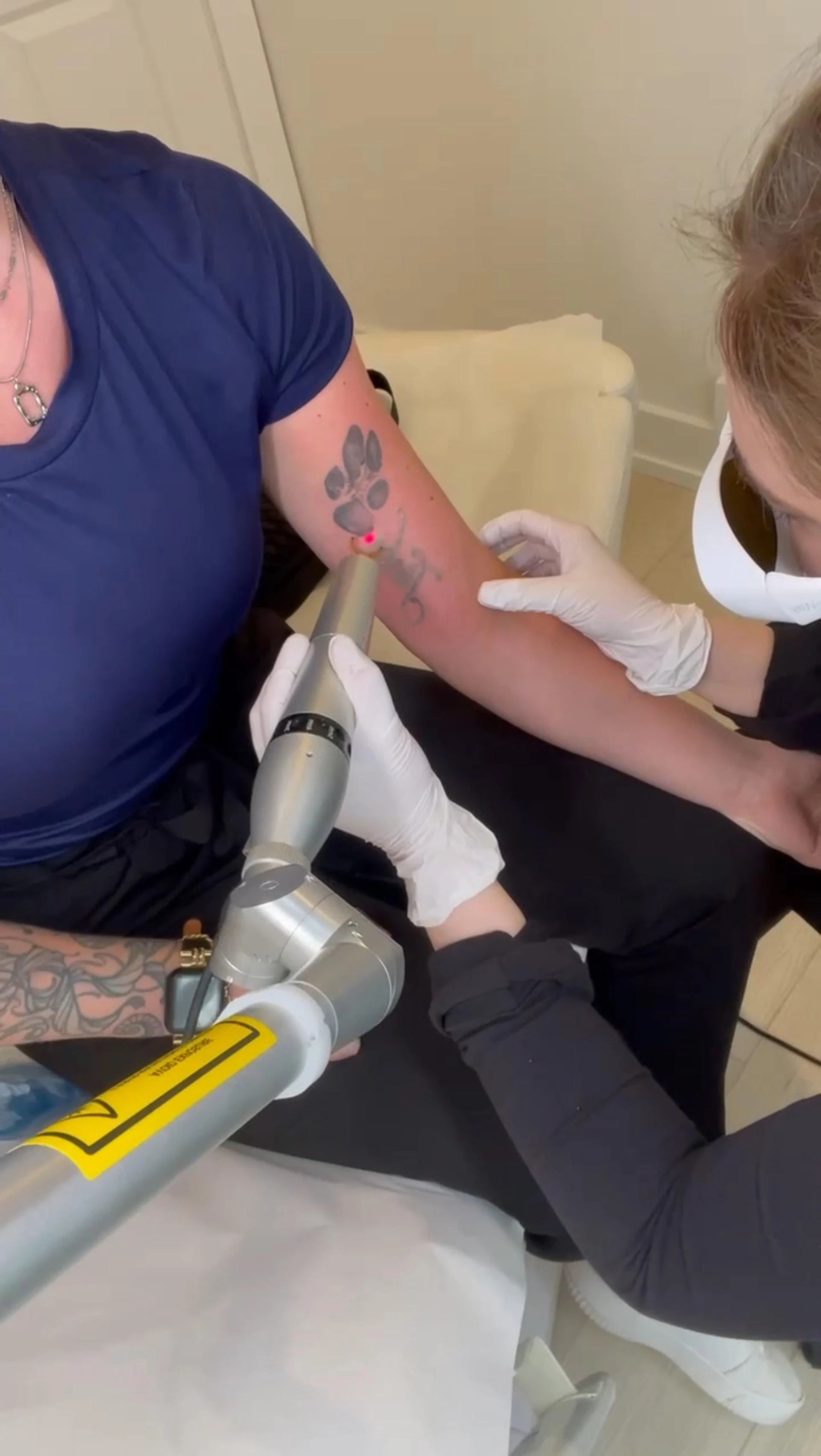

Tattoos often begin with excitement. Maybe it was a spontaneous decision during a fun trip, a tribute to someone special, or simply artwork that felt meaningful at the time. But as life moves forward, people change. Interests evolve, priorities shift, and sometimes a tattoo no longer feels like the right fit.
Fortunately, tattoos no longer have to be permanent if you don’t want them to be. Advances in technology have made removal much more effective and safer than older methods. Today, many people are exploring tattoo removal in St. Catharines as a way to refresh their skin and move forward without an unwanted design.
In this guide, we’ll break down the process in simple terms so it’s easy to understand. No complicated medical language—just clear explanations and helpful examples that show how modern tattoo removal works and what you can expect if you decide to begin the process.
Why People Choose to Remove Tattoos
A tattoo can represent a moment in time, but not every moment lasts forever.
People decide to remove tattoos for many different reasons. Sometimes it’s connected to a relationship that has ended. Other times, the design simply no longer reflects the person they’ve become.
Here are some of the most common reasons people seek tattoo removal:
- The tattoo reminds them of a past relationship
- The design faded or blurred over the years
- Career opportunities require a more professional appearance
- Personal tastes and style have changed
- The original tattoo didn’t turn out the way they hoped
Think of it like redecorating your home. A color that once looked perfect on the walls might not feel right years later. Changing it doesn’t erase the past—it simply makes the space feel better suited to who you are now.
Tattoo removal works in a similar way. It gives people the chance to refresh their skin and move forward with confidence.
Understanding How Tattoo Ink Stays in the Skin
To understand how tattoo removal works, it helps to first know how tattoos stay in place.
When a tattoo artist applies a design, the ink is placed below the surface layer of the skin. The particles of ink are relatively large, and your body’s natural systems can’t easily break them down.
Because those particles stay trapped in the skin, the tattoo remains visible for years or even decades.
Your body recognizes the ink as something foreign, but the particles are simply too large to remove on their own. That’s where modern laser technology comes in.
How Laser Tattoo Removal Works
Laser tattoo removal uses highly focused light energy to break tattoo ink into smaller fragments.
Imagine dropping a large rock onto the ground. If the rock stays whole, it will remain there for a long time. But if it shatters into tiny pieces, those pieces are much easier to move or wash away.
The laser works in a similar way. It sends short pulses of energy into the skin that target the tattoo pigment. These pulses break the large ink particles into much smaller pieces.
Once the ink fragments are tiny enough, your body’s natural systems can gradually remove them. Over time, the tattoo begins to fade.
This process happens slowly, which is why multiple sessions are required to achieve the best results.
Why Tattoo Removal Happens Gradually
Many people wonder why tattoos cannot be erased in one session.
The reason is that the body needs time to remove the broken ink particles after each treatment.
After the laser breaks the ink apart, your body’s natural cleanup system begins clearing those fragments away. This process takes several weeks.
Because of this, sessions are spaced apart to allow the skin to heal and for the fading to continue before the next treatment.
Think of it like cleaning a stained shirt. One wash might lighten the stain, but several washes are often needed before it completely disappears.
Tattoo removal follows a similar pattern—each session lightens the ink a little more.
What a Treatment Session Is Like
Many people feel nervous before their first appointment, mainly because they aren’t sure what the experience will be like.
In reality, treatments are usually quick and straightforward.
During the session, the technician directs the laser over the tattooed area. The laser delivers fast pulses of light energy to the pigment.
People often describe the feeling as similar to tiny snaps on the skin, like a rubber band lightly tapping the area. While the sensation may feel unusual, sessions are typically short, especially for smaller tattoos.
Some clinics also use cooling devices or other comfort measures to make the process easier.
After the treatment is finished, the skin may appear slightly red or warm, but these effects usually fade within a short time.
What Happens After Each Session
Following a treatment session, your skin begins the healing process while your body works to clear away the ink fragments.
You may notice a few temporary reactions such as:
- Mild redness
- Slight swelling
- A light frosted appearance on the tattoo
These effects are normal and usually disappear within a day or two.
Over the next several weeks, the tattoo will slowly become lighter as the body removes the broken pigment.
Proper aftercare is important for healthy healing. This typically involves protecting the skin from sunlight, keeping the area clean, and following the instructions provided by your treatment specialist.
Factors That Influence Tattoo Removal Results
Every tattoo is unique, which means the removal process can vary from person to person.
Several factors affect how quickly a tattoo fades.
Age of the Tattoo
Older tattoos often fade faster because the ink has already begun to break down over time.
Ink Colors
Dark colors like black and blue tend to respond well to laser treatments. Brighter shades such as green or yellow may take additional sessions.
Skin Tone
Different skin types respond differently to laser energy, so settings are carefully adjusted for safety and effectiveness.
Tattoo Size
Larger tattoos usually require more treatment time than smaller ones.
Ink Depth
Professional tattoos often sit deeper in the skin than amateur tattoos, which can affect the number of sessions needed.
Because every situation is different, a consultation is usually the best way to determine what to expect.
Safety and Modern Tattoo Removal Technology
Laser tattoo removal has improved dramatically over the years.
Earlier removal methods sometimes involved harsh techniques that could damage the skin. Today’s lasers are designed to specifically target tattoo pigment while leaving surrounding tissue largely unaffected.
When performed by trained professionals using modern equipment, the procedure is considered safe and effective for most individuals.
Clinics like Erase My Ink focus on using advanced technology and personalized treatment plans to help clients achieve the best possible results while protecting the health of their skin.
The Emotional Benefits of Removing a Tattoo
For many people, removing a tattoo isn’t only about appearance—it’s about turning a page in life.
A tattoo tied to the past can sometimes feel like a constant reminder of something you’d rather leave behind. As the ink fades, many people describe feeling lighter and more confident.
Others simply enjoy the freedom of knowing they have control over their skin again.
Just as getting a tattoo can represent a meaningful moment, removing one can symbolize a fresh beginning.
Finding the Right Place for Treatment
If you’ve ever typed tattoo removal near me into a search engine, you probably noticed a long list of clinics offering services.
Choosing the right provider is important. A reputable clinic should offer consultations, explain the treatment process clearly, and use modern laser technology designed specifically for tattoo removal.
A professional assessment helps determine how many sessions may be needed and what results are realistic for your specific tattoo.
Working with experienced specialists can make the entire process smoother and more comfortable.
Patience Is Part of the Journey
Tattoo removal is not an overnight solution, but that’s part of what makes the process safe for your skin.
Each session breaks down more ink, and your body gradually clears it away. Over time, the tattoo fades step by step until it becomes significantly lighter or disappears altogether.
Many people start noticing visible changes after the first few sessions, which can be encouraging.
Patience and proper care play an important role in achieving the best possible results.
Conclusion
Tattoos can hold powerful memories, but they don’t always remain meaningful forever. As people grow and change, it’s natural to want the freedom to update the canvas of your own skin.
Modern laser technology has made tattoo removal more accessible and effective than ever before. By breaking down ink particles and allowing the body to gradually remove them, the process helps fade unwanted tattoos safely over time.
For those considering Tattoo Removal in St. Catharines, understanding how the treatment works can make the decision much easier. With the right information, realistic expectations, and guidance from experienced professionals, the journey toward clearer skin can be both manageable and rewarding.
Whether you want to remove a tattoo completely or simply lighten it for a new design, today’s solutions offer the opportunity to start fresh—and feel confident in the skin you’re in.




























Sign in to leave a comment.