

Tattoos can mean many things. For some, they mark a happy memory. For others, they’re a piece of art that reflects who they were at a certain time in life. But as years pass, priorities change, tastes evolve, and sometimes that once-loved design no longer feels like a good fit.
If you’ve ever looked at an old tattoo and wished it could simply fade away, you’re not alone. Many people today are exploring safe and effective ways to remove unwanted ink. Laser Tattoo Removal in Mississauga has made it possible to gradually lighten or completely erase tattoos in a way that’s far more reliable than older methods.
This guide breaks down how the process works, what you can realistically expect, and how to know if this treatment might be right for you—all explained in simple, everyday language.
Why People Decide to Remove Tattoos
Life rarely stays the same. A tattoo that felt meaningful at 21 might not match your personal or professional life at 35. People choose removal for many reasons, such as:
- A career change that requires a more polished appearance
- A relationship reminder they’d rather forget
- A design that didn’t turn out as expected
- Faded ink that now looks blurry or uneven
- Simply outgrowing the meaning behind it
Think of it like redecorating your home. What once felt stylish might now feel outdated. Removing a tattoo is just another way of refreshing your appearance to match who you are today.
How Laser Tattoo Removal Actually Works
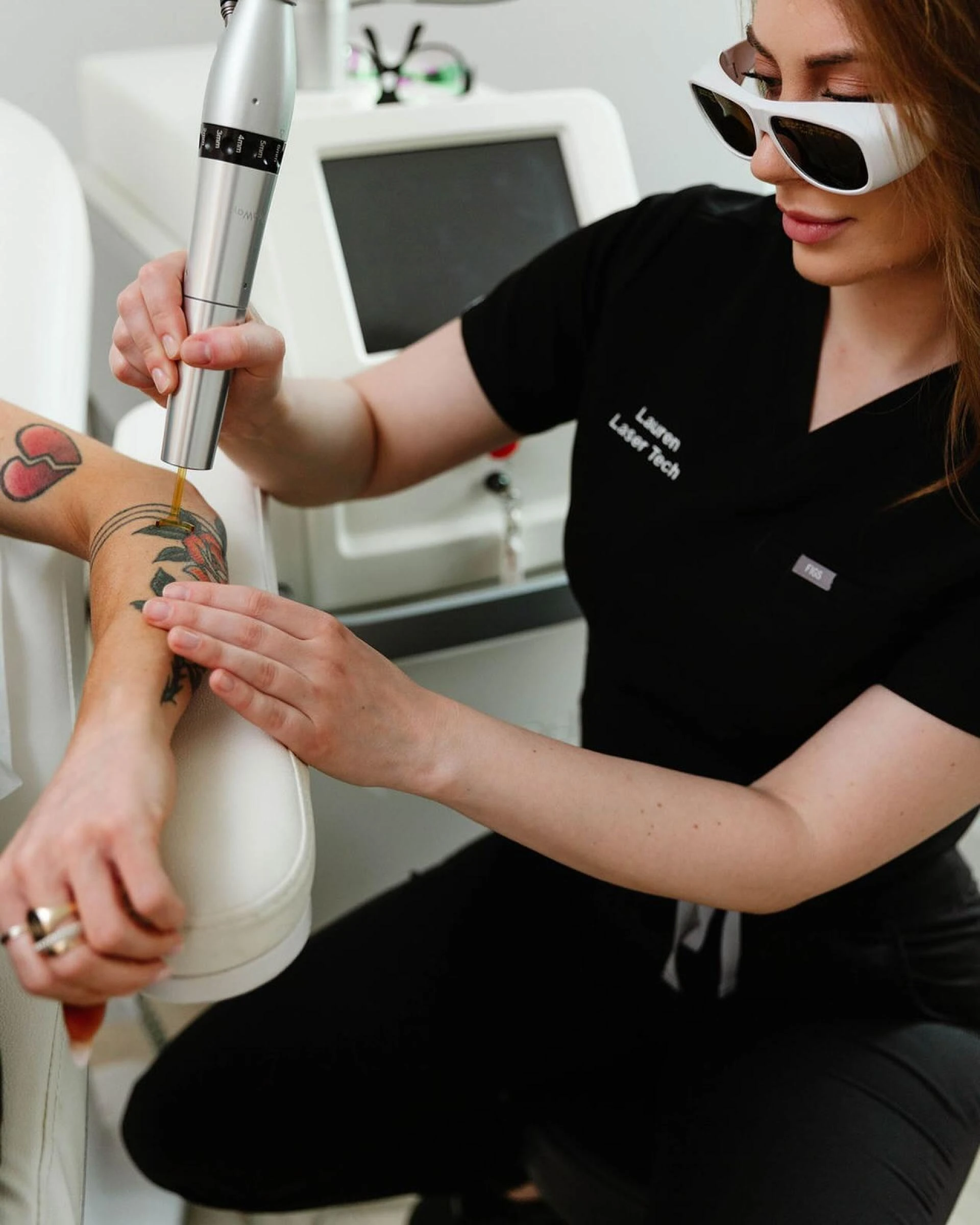
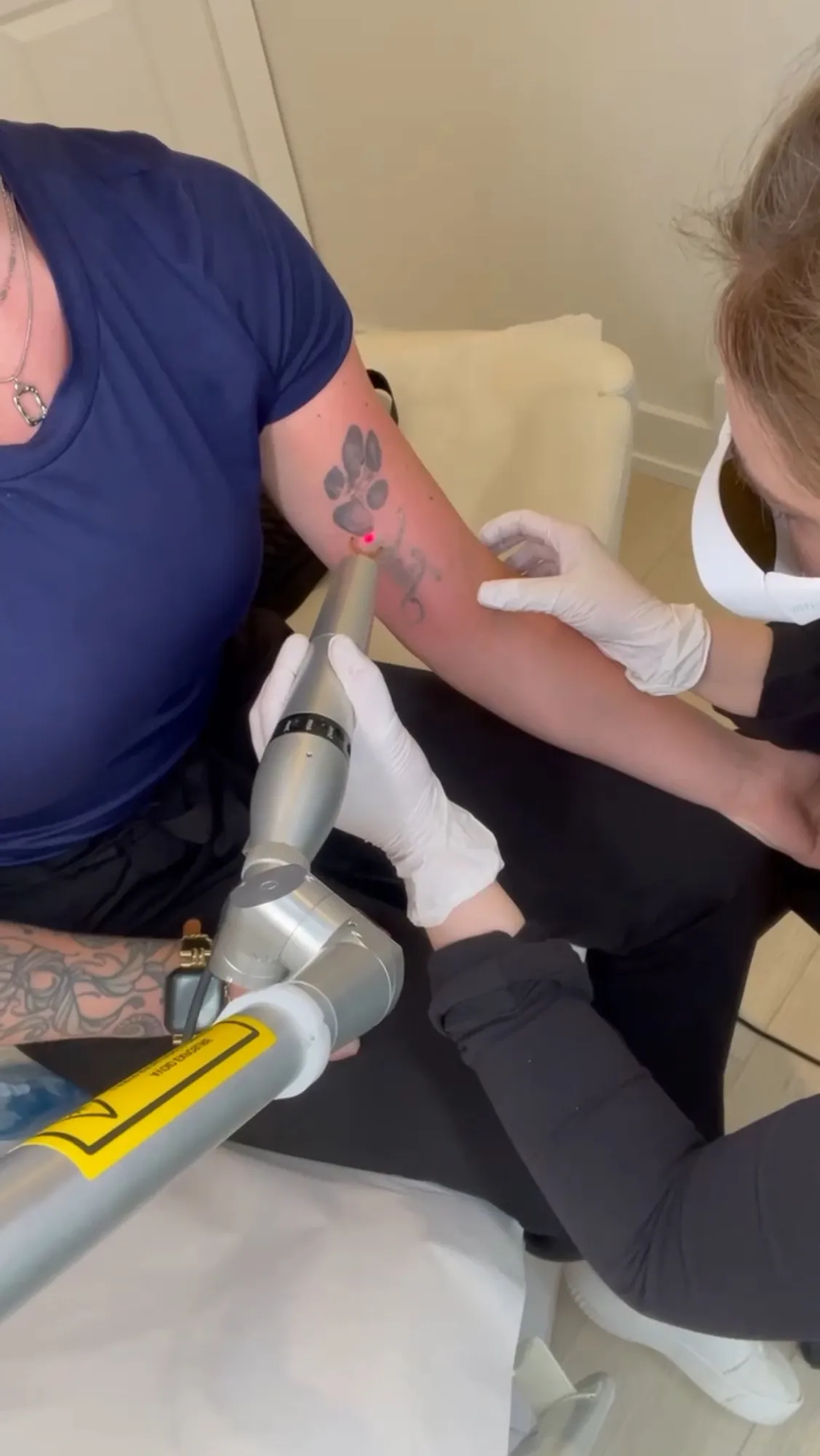
The idea of using a laser might sound intimidating at first. But in reality, the science behind it is quite straightforward.
Imagine your tattoo ink as tiny colored pebbles sitting under your skin. A laser sends quick bursts of light that break those pebbles into much smaller grains—almost like turning rocks into sand. Once the ink is broken down, your body’s natural cleaning system slowly carries those particles away over time.
It’s similar to how your body heals a bruise. You don’t actively remove it—your immune system gradually clears it out on its own. Laser treatment simply gives your body a head start by making the ink easier to remove.
Does It Remove Every Tattoo Completely?
In many cases, tattoos can be removed entirely. However, the outcome depends on a few factors:
- Ink color: Dark shades like black or navy usually respond faster than lighter colors like yellow or green.
- Tattoo age: Older tattoos often fade more easily than newer ones.
- Ink depth: Professional tattoos may sit deeper in the skin than amateur ones.
- Skin type: Everyone’s skin heals differently.
Some tattoos disappear almost fully, while others may only lighten enough for a cover-up. Either way, progress typically becomes noticeable after a few sessions.
How Many Sessions Will You Need?
Tattoo removal isn’t a one-time procedure. Most people need several treatments spaced weeks apart.
Why the wait? Because your body needs time between sessions to flush out the broken-down ink particles. Think of it like cleaning a dusty rug—you shake it once and some dust comes out, but repeated cleaning gets it truly fresh.
Depending on your tattoo, you might need anywhere from:
- 4 to 6 sessions for smaller or lighter designs
- 8 to 12 sessions for darker or more detailed work
Patience is key. Rushing the process won’t make the ink disappear faster, but allowing proper healing time improves results.
What Does It Feel Like?
People often compare the sensation to:
- A rubber band snapping against the skin
- Tiny sparks of heat
- Quick pinches
The good news is that sessions are usually brief. Smaller tattoos may take only a few minutes to treat.
Many clinics apply cooling techniques or numbing solutions to make the experience more comfortable. While it’s not entirely painless, most people find it manageable—especially when they see the tattoo gradually fading over time.
Recovery and Aftercare
After each session, your skin may feel similar to a mild sunburn. You might notice:
- Slight redness
- Swelling
- Temporary sensitivity
These effects typically settle within a few days.
During healing, it’s important to:
- Keep the area clean
- Avoid direct sunlight
- Skip swimming for a short time
- Follow the aftercare instructions provided
Think of your skin like freshly planted soil—giving it time and proper care helps everything heal smoothly.
Choosing the Right Clinic
Searching online for Tattoo Removal Near Me can bring up dozens of options, but not all clinics offer the same level of experience or technology.
When choosing a provider, look for:
- Trained specialists
- Modern laser equipment
- Clear consultation processes
- Honest expectations about results
Reputable clinics such as Erase My Ink take the time to explain your options and build a treatment plan based on your specific tattoo and skin type.
A proper consultation helps you understand what’s realistic before starting any sessions.
Common Myths About Tattoo Removal
Myth 1: It Leaves Major Scars
When done correctly, laser removal rarely causes scarring. Following aftercare instructions plays a big role in this.
Myth 2: It Works Overnight
Tattoo removal is gradual. Your body needs time to process the ink particles.
Myth 3: It’s More Painful Than Getting a Tattoo
Many people say it’s less uncomfortable than the original tattoo process—and much quicker.
Can You Remove Part of a Tattoo?
Yes. Some people don’t want to erase everything. Instead, they lighten a portion of their tattoo to make space for a new design.
This is called a “fade for cover-up.” By reducing the darkness of existing ink, tattoo artists get a cleaner canvas for new artwork—like sketching on lighter paper instead of a dark one.
Is Laser Removal Safe?
Modern laser systems are designed to target ink without damaging surrounding skin. When treatments are performed by trained professionals, complications are uncommon.
That said, safety also depends on:
- Proper equipment
- Correct treatment settings
- Following aftercare instructions
A professional consultation ensures your skin type and tattoo are assessed before beginning.
What About Skin Tone?
Laser removal works on a wide range of skin tones. However, settings may be adjusted to protect natural pigment and avoid unwanted lightening or darkening.
It’s similar to adjusting the brightness on your phone screen—you want it strong enough to see clearly, but not so intense that it causes strain.
Conclusion
Tattoos tell stories—but sometimes those stories change. Whether you’re moving forward personally or professionally, removing an old design can feel like closing one chapter and starting another.
Laser tattoo removal offers a gradual, effective way to lighten or eliminate unwanted ink without invasive procedures. With the right clinic, realistic expectations, and proper aftercare, many people achieve results that help them feel more confident in their skin again.
If you’re thinking about taking the next step, learning how the process works is the best place to begin. A consultation can help you understand what’s possible and create a plan that suits your goals—so your skin reflects who you are today, not just who you were years ago.
























Sign in to leave a comment.