

Tattoos often begin as exciting decisions. They can celebrate milestones, honor memories, or simply reflect personal style. Yet life changes. A design that once felt meaningful at age twenty may not feel the same ten years later. That shift is completely normal, and it is one reason more people are exploring options for laser tattoo removal in Burlington.
Modern tattoo removal has improved dramatically over the years. Treatments are now more precise, safer for the skin, and capable of fading many tattoos far more effectively than older methods ever could. Even so, many people still feel unsure about what the process actually involves.
If you have been thinking about removing unwanted ink, understanding the basics can make the experience feel less intimidating. From how laser technology works to what healing looks like afterward, knowing what to expect helps people make informed choices with confidence.
Why People Decide to Remove Tattoos
There are countless reasons someone may want a tattoo removed. For some, it is connected to a personal change. A tattoo linked to an old relationship, lifestyle, or phase of life may no longer feel right.
Others simply outgrow the design itself. Trends change quickly, and tattoos that once looked exciting can begin to feel outdated over time. Sometimes the issue is artistic quality. Maybe the lines blurred, the color faded unevenly, or the original work did not turn out as expected.
Career choices can also influence the decision. While tattoos are more accepted today than they once were, some people still prefer a cleaner appearance for professional reasons.
In many cases, removal is not about regret at all. Some people want to fade older ink to make room for a fresh tattoo or a better-designed cover-up.
How Laser Tattoo Removal Works
The word “laser” can sound intimidating at first, but the process is actually easier to understand than most people expect.
A tattoo is created when tiny particles of ink settle beneath the skin. Your body sees those particles as foreign material, but the pieces are too large for the immune system to fully remove on its own.
Laser treatments break those ink particles into much smaller fragments. Think of it like smashing a large ice cube into crushed ice. Smaller pieces are easier for the body to clear away naturally over time.
Once the laser breaks apart the pigment, your immune system gradually removes the shattered particles through the body’s natural processes. That is why fading happens slowly between appointments rather than immediately after one session.
Why Some Tattoos Fade Faster Than Others
Not all tattoos respond the same way to treatment. Some disappear relatively quickly, while others require additional patience.
Several factors affect the removal process:
Ink Color
Black ink usually fades the fastest because it absorbs laser energy more effectively. Bright colors such as green, yellow, or turquoise can sometimes take longer.
Tattoo Age
Older tattoos often respond more easily because the body has already started breaking down some of the pigment naturally over the years.
Skin Type
Every person’s skin reacts differently. Healing speed, sensitivity, and immune response all play important roles.
Tattoo Placement
Areas with stronger blood circulation, like the arms or upper chest, often heal more efficiently than areas farther from the heart, such as hands or feet.
Depth of Ink
Professional tattoos tend to place ink deeper into the skin than amateur tattoos, which can make removal slightly more challenging.
Does the Treatment Hurt?
This is one of the biggest concerns people have before their first appointment.
Most people describe the sensation as similar to a rubber band snapping against the skin repeatedly. Others compare it to small bursts of heat. While it can feel uncomfortable, sessions are usually fast, especially for smaller tattoos.
Many clinics use cooling devices or numbing creams to help reduce discomfort during treatment. Areas with thinner skin, like ribs or ankles, may feel more sensitive than fleshier areas like the upper arm.
The important thing to remember is that the feeling only lasts during the session itself. Once treatment ends, the discomfort typically decreases fairly quickly.
What Happens During an Appointment?
A tattoo removal session is usually straightforward and does not require major preparation.
First, the technician examines the tattoo and discusses your goals. They may ask about your medical history, skin sensitivity, or previous tattoo work.
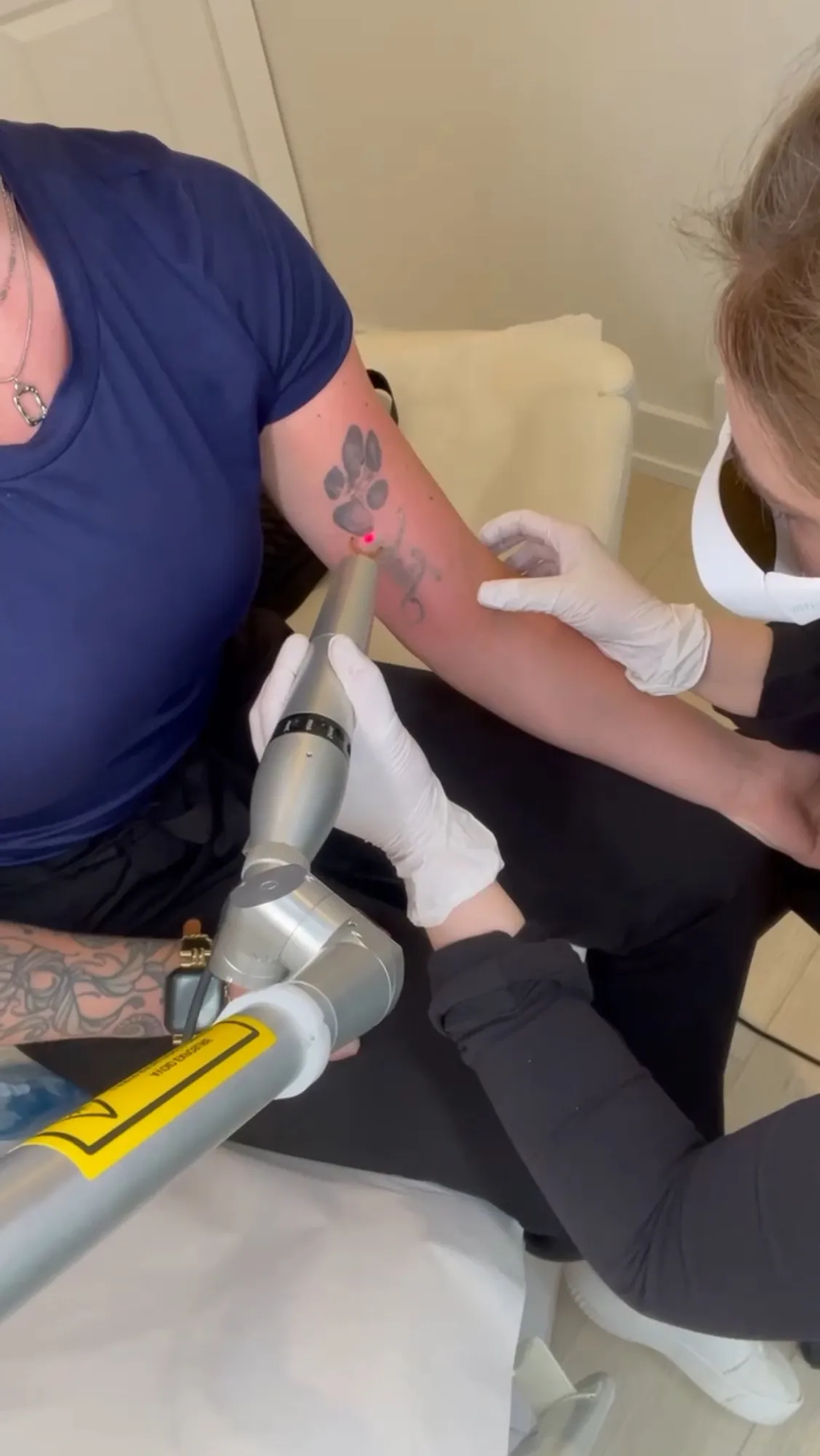
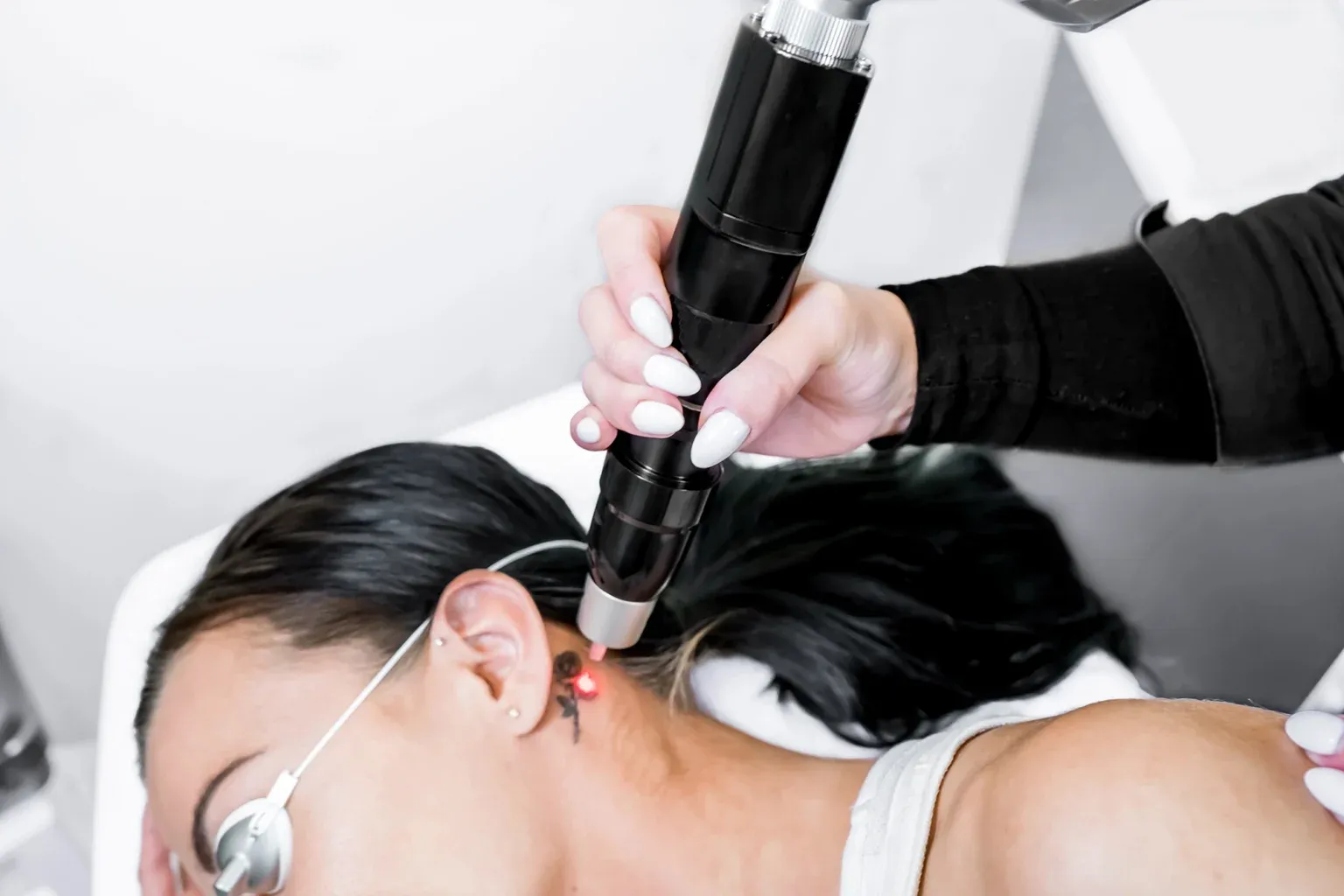
Protective eyewear is worn during treatment because laser light is extremely bright. The laser device is then passed over the tattoo in short bursts.
You may notice the tattoo turning slightly white or frosty immediately afterward. This temporary reaction is normal and fades shortly after the session ends.
Most appointments are surprisingly quick. Small tattoos may only take a few minutes, while larger pieces naturally require more time.
Healing After Treatment
The healing stage is just as important as the treatment itself.
After a session, the skin may feel warm, swollen, or slightly tender. Some people describe it as feeling similar to a mild sunburn.
Blisters or scabbing can occasionally appear during healing. While this may look concerning, it is often part of the body’s natural recovery process. Picking at the skin should always be avoided because it increases the risk of irritation or scarring.
Proper aftercare helps the skin recover more smoothly. Clinics usually recommend:
- Keeping the area clean
- Avoiding direct sunlight
- Wearing loose clothing over the treated area
- Staying hydrated
- Avoiding scratching or rubbing the skin
Think of healing like caring for a scraped knee. Gentle treatment and patience usually lead to better results.
How Many Sessions Are Needed?
Tattoo removal is not instant. Most tattoos require multiple sessions spaced several weeks apart.
The exact number depends on the tattoo’s size, colors, depth, and how your body responds to treatment. Some smaller tattoos fade significantly after only a few sessions, while larger or colorful designs may need more appointments.
Spacing treatments apart gives the body time to clear broken-down ink naturally. Rushing the process does not necessarily improve results.
This gradual fading process can actually feel encouraging for many people because progress becomes visible over time.
Can Tattoos Be Completely Removed?
Many tattoos can fade dramatically, and some disappear almost entirely. However, results vary from person to person.
Certain tattoos may leave behind faint traces, slight skin texture changes, or mild shadowing after treatment is complete. Realistic expectations are important from the beginning.
A reputable clinic will always explain possible outcomes honestly instead of guaranteeing perfect results.
Choosing the Right Clinic Matters
Laser tattoo removal should always be performed by trained professionals using modern equipment.
Researching clinics carefully can make a major difference in both safety and results. Reading reviews, asking questions, and booking consultations are smart steps before committing to treatment.
A trustworthy provider will explain the process clearly and create a treatment plan based on your specific tattoo rather than offering unrealistic promises.
Many people choose clinics like Erase My Ink because they want experienced guidance throughout the process. Feeling comfortable with your provider can help reduce stress and make the experience more positive overall.
Common Myths About Tattoo Removal
There are plenty of misconceptions surrounding tattoo removal. Let’s clear up a few of the most common ones.
Myth: The Tattoo Disappears After One Session
Real removal takes time. Fading happens gradually over several appointments because the body needs time to process the broken-down ink.
Myth: Removal Always Causes Scarring
Modern laser technology is designed to target ink while minimizing damage to surrounding skin. Following proper aftercare instructions also helps reduce risks.
Myth: Older Tattoos Cannot Be Removed
In many cases, older tattoos actually respond well because the pigment has already begun fading naturally.
Myth: Darker Skin Cannot Be Treated Safely
Advancements in laser systems have improved treatment options for many different skin tones. An experienced provider can recommend the safest approach for your skin type.
Emotional Reasons Behind Tattoo Removal
Tattoo removal is not always about appearance alone. For some people, it represents moving forward emotionally.
Removing a tattoo connected to painful memories can feel symbolic, almost like clearing clutter from a room to create space for something new.
Others simply feel more confident once unwanted ink begins to fade. The emotional side of tattoo removal is often overlooked, but it can be just as meaningful as the physical results.
Preparing for Your First Session
If you are considering treatment, there are a few simple steps that may help before your appointment:
- Avoid excessive sun exposure beforehand
- Stay hydrated
- Avoid irritating the skin before treatment
- Follow any instructions provided by the clinic
Arriving with realistic expectations also helps. Tattoo removal is a process, not an overnight fix.
Why Patience Is Important
Many people begin treatment expecting dramatic changes immediately. While some fading can happen early, the biggest results usually appear gradually.
The body needs time to flush away shattered ink particles between sessions. That means patience becomes part of the journey.
The encouraging part is that progress often becomes more noticeable with each appointment. Even partial fading can make a huge difference in how a tattoo looks.
Final Thoughts
Deciding to remove a tattoo is deeply personal. Whether your goal is complete removal, fading for a cover-up, or simply feeling more comfortable in your skin, modern laser technology offers effective options for many people.
The process takes time, but understanding how it works can make the experience far less intimidating. Choosing experienced professionals, caring for your skin properly, and staying patient throughout treatment all contribute to better outcomes.
Clinics such as Erase My Ink continue helping people move forward with confidence by offering guidance, modern treatment methods, and realistic expectations from start to finish.
In the end, tattoo removal is not just about changing your skin. For many people, it is about creating a fresh chapter and feeling more aligned with who they are today.
Frequently Asked Questions
How long does laser tattoo removal take?
Most people need multiple sessions spread over several months. The exact timeline depends on the tattoo’s size, color, and how the body responds to treatment.
Is laser tattoo removal safe?
When performed by trained professionals using modern equipment, laser tattoo removal is generally considered safe for many skin types.
Can I remove only part of a tattoo?
Yes. Some people choose partial removal to fade specific areas before getting a cover-up tattoo.
Will the tattoo disappear completely?
Many tattoos fade significantly, but results vary. Some tattoos may leave faint traces or light shadowing behind.
How soon can I return to normal activities?
Most people return to regular daily activities shortly after treatment, although the skin may feel sensitive for a few days afterward.




























Sign in to leave a comment.