
Tattoos often begin with excitement. They can mark an important memory, symbolize a relationship, or simply reflect personal style at a certain point in life. But people change. Interests evolve, careers shift, and sometimes the artwork that once felt meaningful no longer feels right.
That is one reason more people are exploring tattoo removal in Oakville today. Modern removal methods have improved dramatically over the years, making the process safer, more effective, and easier to understand than many people expect.
If you have ever looked at an old tattoo and wondered whether removal is worth it, this guide explains everything in simple language. No complicated medical talk. No confusing science lessons. Just practical information about what the process involves and what you can realistically expect.
Why People Decide to Remove Tattoos
Not everyone removes a tattoo because they regret it. In fact, many people still appreciate the memory connected to the design but no longer want the image on their skin.
Here are some common reasons people choose removal:
- The tattoo has faded or blurred over time
- Personal tastes have changed
- A relationship connected to the tattoo ended
- Career opportunities require a different appearance
- The original tattoo artist did poor-quality work
- Someone wants space for a new tattoo
Think of tattoos like hairstyles from old photographs. At one point, they may have perfectly matched your personality. Years later, they may no longer fit who you are.
Removing a tattoo is often less about shame and more about moving forward.
How Tattoo Removal Works
A tattoo stays visible because ink particles sit beneath the surface of the skin. Your body recognizes those particles as foreign, but they are too large for the immune system to remove naturally.
Laser treatment changes that.
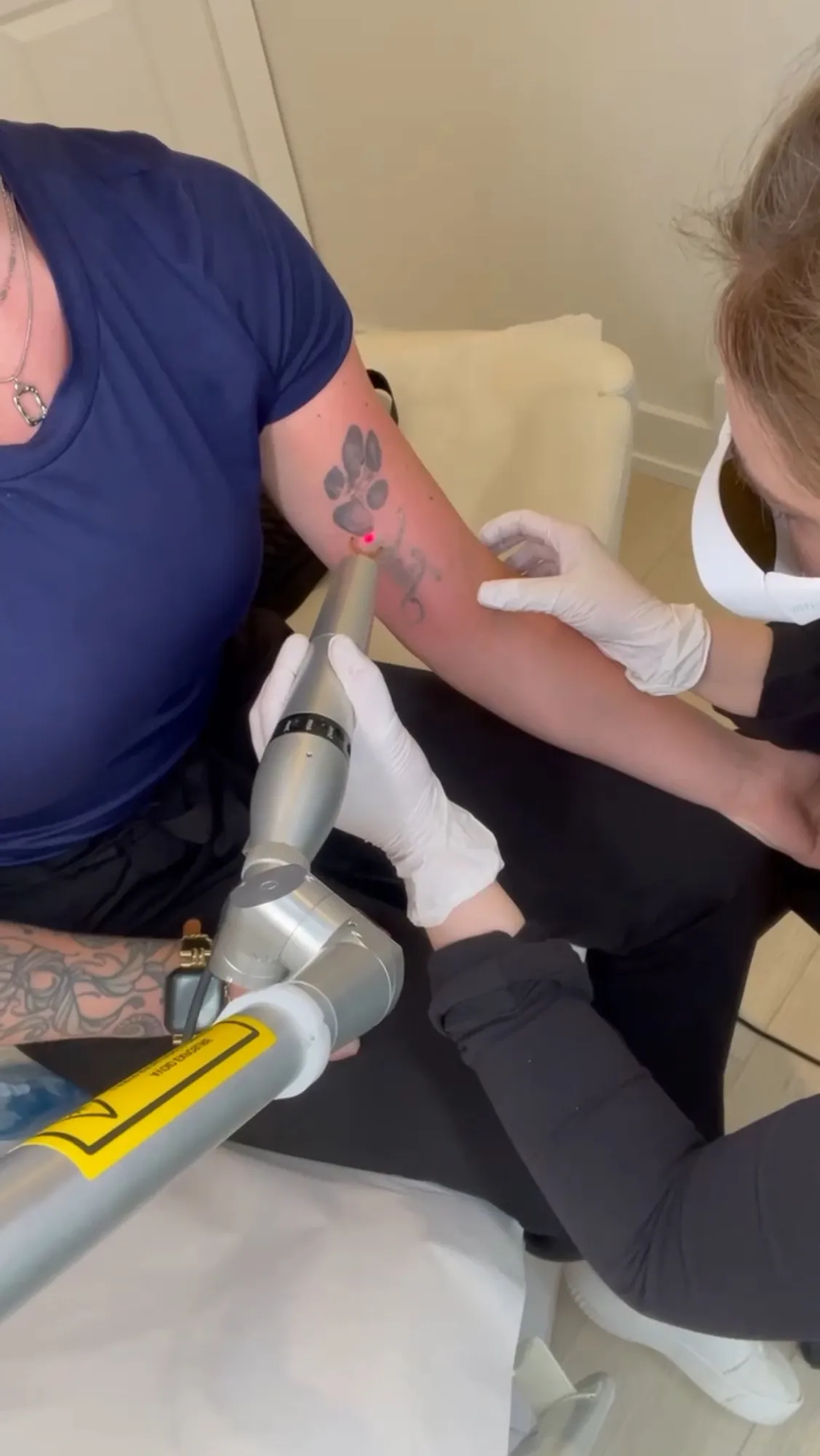
The laser sends powerful bursts of light into the skin that break the ink into tiny fragments. Imagine dropping a large rock onto concrete and watching it crack into small pebbles. Once the ink breaks into smaller pieces, your body can gradually carry it away over time.
This is why fading happens slowly rather than instantly.
The process works with your body instead of against it. The laser does part of the work, and your immune system finishes the job.
Why Multiple Sessions Are Needed
Many first-time clients assume tattoos disappear after one appointment. In reality, removal is more like slowly fading a permanent marker stain from fabric.
Each treatment breaks up more ink, but your body needs time between sessions to clear away the particles.
Several factors influence how many sessions may be needed:
Tattoo Size
Larger tattoos naturally require more work than smaller ones.
Ink Color
Black ink usually responds fastest because it absorbs laser energy well. Colors like green, blue, or yellow can sometimes take longer.
Tattoo Age
Older tattoos often fade more easily because the ink has already started breaking down naturally over time.
Ink Depth
Professional tattoos usually place ink deeper into the skin than amateur tattoos.
Skin Type
Different skin tones and skin sensitivities can affect treatment settings and results.
Some tattoos fade quickly, while others require patience. That is completely normal.
Does Tattoo Removal Hurt?
This question comes up in almost every consultation.
Most people describe the sensation as similar to a rubber band snapping against the skin repeatedly. Others compare it to tiny bursts of heat or quick pinches.
The discomfort level depends on factors such as:
- Tattoo location
- Tattoo size
- Skin sensitivity
- Individual pain tolerance
Areas with thin skin, such as ribs or wrists, often feel more sensitive than areas with more muscle or fat underneath.
The good news is that sessions are usually fairly quick. Many clinics also use cooling systems or numbing methods to improve comfort during treatment.
For most clients, the anxiety beforehand feels worse than the actual appointment itself.
What Happens During the Appointment?
The treatment process is usually simple and straightforward.
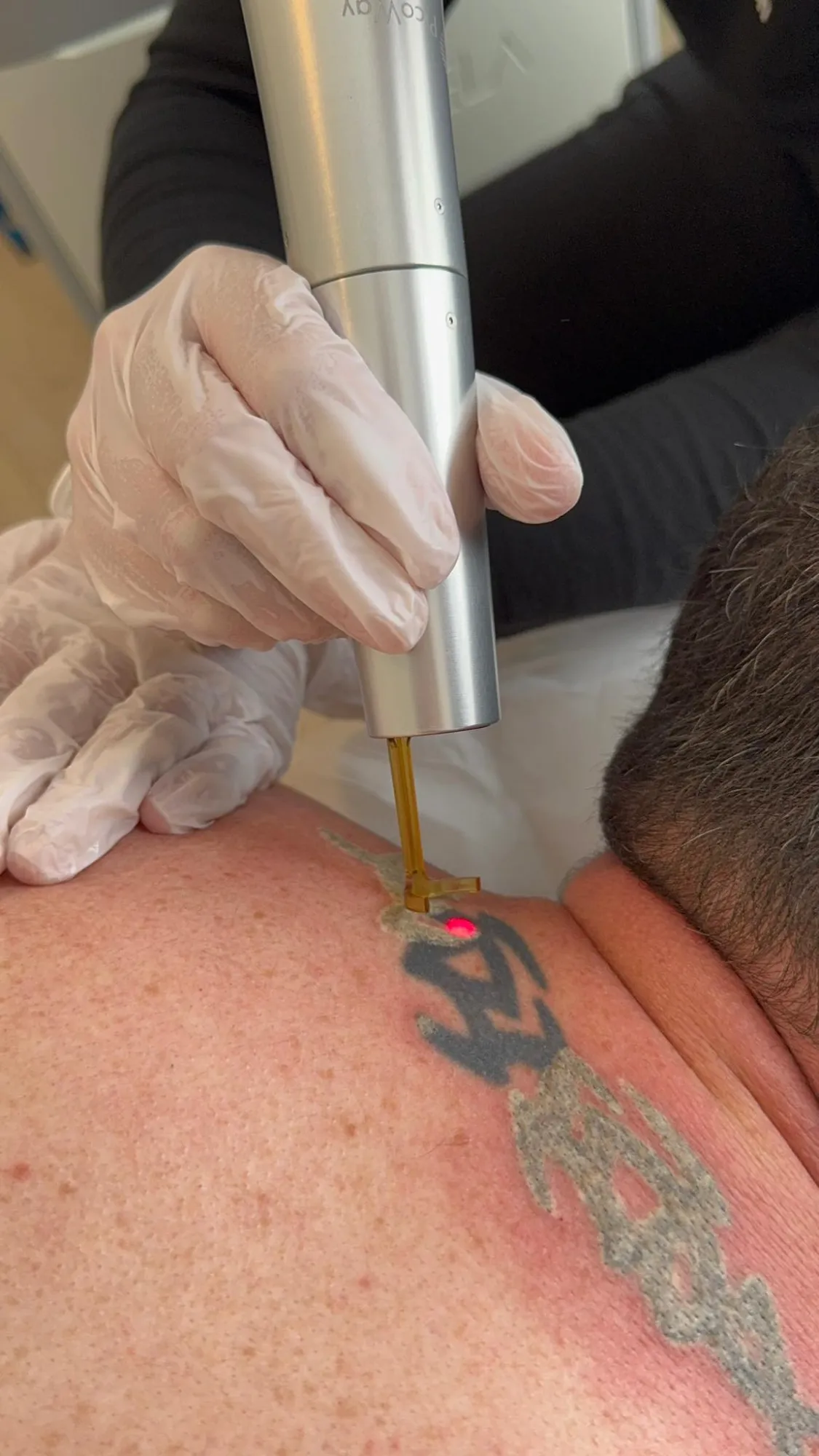
First, the area is cleaned thoroughly. Protective eyewear is provided because the laser light is extremely bright. The technician then passes the laser over the tattoo in short pulses.
Small tattoos may take only a few minutes. Larger pieces naturally take longer.
Afterward, the skin may appear:
- Slightly red
- Mildly swollen
- Warm
- Temporarily frosted or pale
These reactions are common and usually fade within a short period.
Healing After a Session
The treated area needs time to recover after each appointment. Think of it like caring for a mild scrape or sunburn while the skin repairs itself.
Most clinics recommend:
- Keeping the area clean
- Avoiding direct sunlight
- Not scratching or picking the skin
- Wearing loose clothing if necessary
- Following aftercare instructions carefully
The outer skin may heal within days, but the deeper fading process continues for several weeks as the body clears away the fragmented ink.
Patience plays a huge role in successful results.
Can Every Tattoo Be Completely Removed?
Not always, but many tattoos can fade significantly.
Some disappear almost entirely, while others leave behind a faint shadow or slight skin discoloration. The outcome depends on several factors, including ink type, skin response, and tattoo depth.
In some cases, complete removal is not even the goal. Many people simply want enough fading to allow for a better cover-up tattoo later.
A trustworthy clinic will explain realistic expectations instead of promising impossible results.
Why Choosing an Experienced Clinic Matters
Tattoo removal is not something to rush into based solely on price. Experience and proper equipment make a major difference in both safety and effectiveness.
An experienced technician understands how to adjust treatments for different skin tones, tattoo colors, and skin sensitivities.
Poor technique can increase the risk of unwanted side effects like irritation or uneven fading.
When comparing clinics, look for:
- Clear communication
- Before-and-after photos
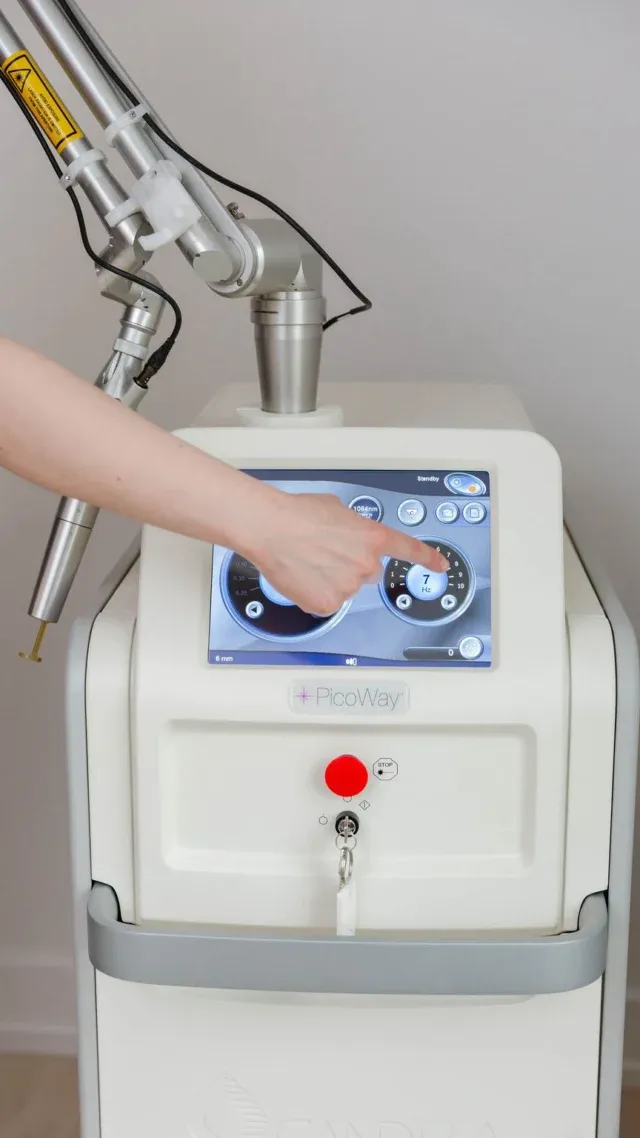
- Professional equipment
- Strong hygiene standards
- Honest consultations
- Positive client experiences
Clinics such as Erase My Ink often focus on educating clients thoroughly before starting treatment, which helps people feel more confident throughout the process.
Common Myths About Tattoo Removal
There are still many outdated beliefs surrounding laser removal. Let’s clear up a few of them.
Myth 1: Tattoo Removal Always Causes Scarring
Modern laser technology is designed to target ink while minimizing damage to surrounding skin. When treatments are performed correctly and aftercare instructions are followed, serious scarring is much less common than many people assume.
Myth 2: Tattoos Vanish Immediately
Removal is gradual because your body needs time to flush away the broken ink particles naturally.
Myth 3: Darker Skin Cannot Be Treated
Modern systems can often safely treat a wide range of skin tones when handled by trained professionals.
Myth 4: Every Tattoo Responds the Same Way
Each tattoo behaves differently depending on the colors used, ink depth, age, and the body’s immune response.
The Emotional Side of Tattoo Removal
For many people, tattoo removal is about more than appearance.
Some tattoos are connected to painful memories or chapters of life they would rather leave behind. Others simply no longer represent who someone has become.
Removing a tattoo can feel emotionally freeing. It is similar to cleaning out a closet filled with clothes you no longer wear. You are not erasing your past. You are simply making room for the future.
Many clients report feeling more confident and comfortable in their skin as the tattoo fades.
Lifestyle Habits That May Support Better Results
Since your immune system helps remove the shattered ink particles, healthy habits may support the fading process.
Helpful habits include:
- Drinking enough water
- Exercising regularly
- Getting quality sleep
- Avoiding smoking
- Eating balanced meals
These habits support your body’s natural healing functions.
While they are not magic shortcuts, they may help your body recover more efficiently between treatments.
Preparing for Your First Consultation
If you are considering treatment, preparation can help you feel more comfortable and informed.
Avoid Excessive Sun Exposure
Sunburned or heavily tanned skin may need additional recovery time before treatment.
Stay Hydrated
Healthy skin generally responds better during healing.
Write Down Questions
Good questions to ask include:
- How many sessions might I need?
- What should I expect during healing?
- Are there any side effects?
- What aftercare steps are important?
- How much fading is realistic?
A strong consultation should leave you feeling informed rather than pressured into immediate treatment.
What Makes Modern Laser Removal Different?
Older tattoo removal methods were much harsher. Some techniques involved scraping or cutting the skin, which often caused visible scarring.
Modern laser technology is far more precise. Instead of damaging large sections of skin, the laser focuses mainly on the pigment itself.
Think of it like using a precision tool instead of a sledgehammer. Today’s systems are designed to work more carefully and effectively.
This advancement is one reason tattoo removal has become increasingly popular in recent years.
Is Tattoo Removal Worth It?
For many people, absolutely.
The process takes time, but the gradual progress often feels rewarding. Every session usually brings noticeable improvement, even if complete removal takes patience.
Whether someone wants full removal or simply enough fading for a cover-up tattoo, the process can provide a renewed sense of confidence and comfort.
The key is understanding that removal is a journey rather than an overnight transformation.
Conclusion
Tattoos can hold meaningful stories, but people are allowed to outgrow those stories. What mattered years ago may no longer reflect your current life, personality, or goals.
Modern tattoo removal has made it possible for many people to safely fade or remove unwanted ink with far fewer risks than older methods. The process requires patience, realistic expectations, and proper aftercare, but many clients feel the results are well worth the effort.
With guidance from experienced professionals like Erase My Ink, tattoo removal can feel far less intimidating than many people initially expect.
Choosing removal is not about erasing your past. It is about giving yourself the freedom to move forward comfortably and confidently.
Frequently Asked Questions
How many tattoo removal sessions will I need?
The number varies based on tattoo size, colors, ink depth, and how your body responds. Most people require multiple treatments spaced several weeks apart.
Does tattoo removal leave scars?
Modern laser technology is designed to minimize skin damage. Serious scarring is much less common when treatments are performed properly and aftercare instructions are followed carefully.
Can colored tattoos be removed?
Yes, although some colors are more difficult to fade than others. Black ink usually responds fastest, while lighter colors may require additional sessions.
How long does the skin take to heal?
Surface healing often happens within days, but fading continues for several weeks as the body clears the broken ink particles naturally.
Can I get a new tattoo after removal?
Yes. Many people remove or fade old tattoos specifically to create space for a fresh cover-up design later on.

























Sign in to leave a comment.