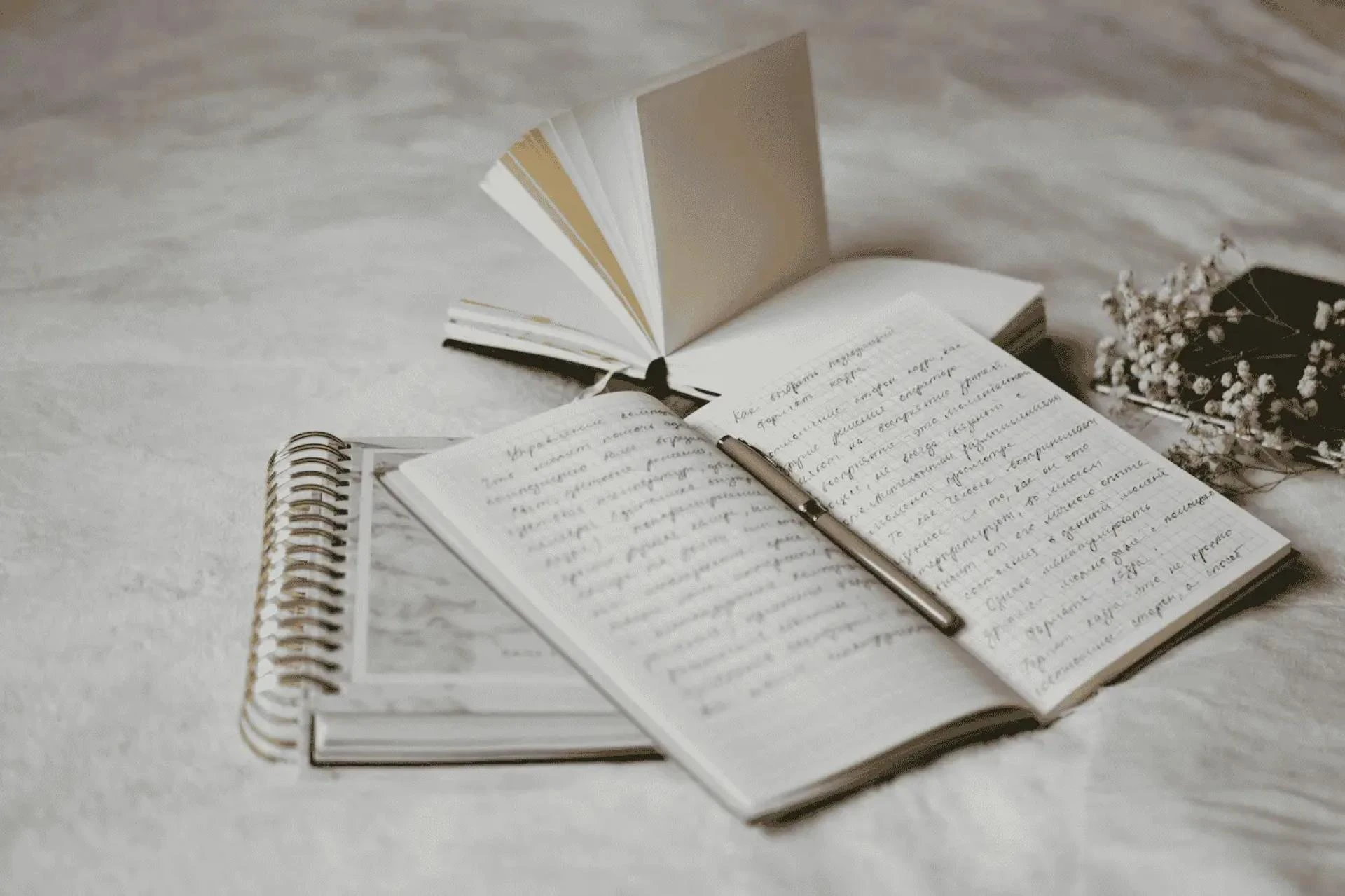

So, you've written a poem (or maybe a whole collection). You’ve poured your heart into every stanza, revised lines late into the night, and now you’re dreaming of seeing your work in print. But wait—before you hit "submit" or send your manuscript to a publisher, there's one crucial step that many poets overlook: working with a poetry editor.
Think of it this way: even the best chefs need a taste-tester. Why? Because when you're too close to your work, it's hard to spot what might be off. That’s where an editor comes in. A professional poetry editor doesn't just fix typos—they elevate your work, helping it shine its brightest.
In this article, we’ll explore why poetry writing services, especially editing, are not just helpful—they’re essential. Whether you're self-publishing or submitting to literary journals, your poetry deserves the best possible version of itself.
1. What Is a Poetry Editor and What Do They Do?
A poetry editor is a professional who reviews and refines your poetry. Their job isn’t to change your voice—it’s to help you amplify it. They focus on structure, tone, rhythm, language choice, and emotional resonance. A good poetry editor ensures that every line serves a purpose and every word earns its place.
2. Why Editing Is Essential for Poetry
You might think poems are short and don’t need much editing. But poetry is one of the most precise art forms—every word matters. An editor helps your work become tighter, more impactful, and easier for readers to connect with. Just like a sculptor chips away at stone to reveal the statue within, an editor reveals the poem hidden beneath the rough draft.
3. The Difference Between Self-Editing and Professional Editing
Sure, you can read your poem a hundred times and make changes. But eventually, your brain fills in the blanks. Professional editors bring objectivity. They see what you’ve missed. It's like trying to find a typo in a text you wrote—your brain sees what it meant to say, not what’s there.
4. Common Mistakes in Poetry That Editors Catch
Here are a few blunders editors often catch:
- Clichés and overused imagery
- Inconsistent tone or voice
- Awkward phrasing or forced rhymes
- Overuse of abstract language
- Unnecessary words that weaken impact
Editors don't just point out issues—they suggest smart, poetic solutions.
5. How Poetry Editors Improve Tone, Flow, and Clarity
Good poetry has rhythm, tone, and clarity. Editors make sure your poem flows smoothly, reads naturally, and carries emotional weight. They help with line breaks, pacing, and even visual layout. You might say they turn your words into music.
6. The Emotional Blind Spot: Why You Need a Fresh Pair of Eyes
Let’s face it—we’re all emotionally attached to our writing. That makes it hard to know when a line is brilliant… or just sentimental fluff. A poetry editor is your mirror, showing you the honest reflection of your work without bias.
7. How to Choose the Right Poetry Writing Services
When looking for poetry writing services, consider:
- Experience with poetry specifically (not just general editing)
- Testimonials or portfolio
- Editing style—are they collaborative or directive?
- Cost transparency
- Turnaround time
A good service will also offer different levels of editing, from light proofreading to deep content editing.
8. What Happens During a Poetry Editing Process?
Editing often happens in stages:
- Developmental Editing – Big-picture feedback on theme, structure, and content.
- Line Editing – Refinement of tone, word choice, and clarity.
- Proofreading – Catching grammar, spelling, and formatting issues.
You might go through multiple rounds to get it just right.
9. Line-by-Line Magic: The Detail-Oriented Work of Editors
Every line is a world of its own. Editors go line by line, asking questions like:
- Does this line carry weight?
- Is the word choice fresh or tired?
- Could this line be stronger with a metaphor or image?
They polish until your poem sings.
10. Case Study: Before and After Poetry Editing
Before Editing:
The sky is blue
The wind is strong
I feel alone
Though I belong
After Editing:
Azure silence stretches above
Wind roars like ancient drums
I drift, a shadow seeking voice
In lands where no one comes
Notice the difference? Editors help you elevate your voice while staying true to your message.
11. Costs Involved: Is Poetry Editing Worth It?
Prices for poetry editing can range from $50 to several hundred, depending on the length and complexity of your work. But here’s the real question: Can you afford not to edit your poetry?
If you’re serious about being published or building a following, it’s a worthwhile investment in your craft.
12. Self-Publishing? You Still Need an Editor
Just because you’re not going through a traditional publisher doesn’t mean you can skip editing. Self-published poets need to be even more polished because you are your quality control. A poorly edited book can ruin your credibility.
13. Traditional Publishing and Submission Standards
Literary journals and publishing houses receive thousands of submissions. Editors don’t have time for poems that feel unfinished. Submitting unedited work is like turning in a resume with typos—it sends the wrong message.
14. Feedback vs. Editing: Knowing the Difference
Your friend saying “I like it!” is feedback. A poetry editor telling you, “This line weakens the stanza because the imagery shifts tone abruptly,” is editing. Both are helpful, but only one will get your work publication-ready.
15. Final Checklist Before Submitting Your Poetry
Before you hit send, ask yourself:
- Have I worked with a poetry editor?
- Is my tone consistent?
- Did I remove clichés and filler?
- Have I formatted the manuscript professionally?
- Does every word earn its place?
If the answer to all is yes, you’re ready.
Conclusion
Publishing poetry isn’t just about writing beautiful lines. It’s about polishing, refining, and making sure your poem is ready to be heard. Poetry writing services, especially editing, aren’t a luxury—they’re your poem’s best friend.
So, if you're dreaming of getting published, don’t go it alone. Find a good poetry editor. Trust their guidance. Your future readers—and your poetry—will thank you for it.


























Sign in to leave a comment.