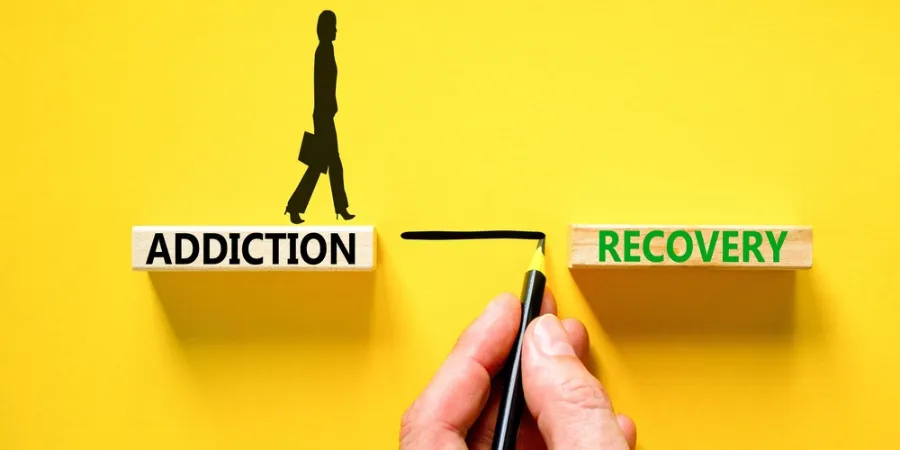

Finding the path back to a fulfilling life often feels like navigating a labyrinth, but with the right support, recovery is more than just a possibility—it is a sustainable reality. Alcohol dependency affects not only physical health but also emotional stability and social connections, making a comprehensive approach to healing essential. At Prayag Seva Sansthan, we provide evidence-based strategies and compassionate care to help individuals reclaim their lives. As a leading Alcohol Addiction Treatment in Udaipur, our facility focuses on medical safety, psychological resilience, and long-term relapse prevention to ensure every person receives the specialized attention they deserve.
Understanding the Roots of Alcohol Dependency
Alcoholism is a complex condition that rarely stems from a single cause. It is often an intersection of genetic predisposition, environmental stressors, and mental health challenges. Effective recovery begins by acknowledging that dependency is a chronic but treatable health issue, not a moral failing. By identifying the specific triggers—whether they are professional stress, social anxiety, or underlying trauma—individuals can begin to dismantle the patterns that lead to substance misuse. Professional intervention is crucial here, as it provides a structured environment where these triggers can be addressed without the immediate pressure of external daily life.
The Importance of a Structured Detoxification Process
The first and perhaps most critical step in overcoming alcohol dependency is safe detoxification. When the body becomes accustomed to regular alcohol intake, sudden cessation can lead to withdrawal symptoms ranging from mild anxiety to severe physical distress. A supervised medical detox ensures that the patient’s vitals are monitored and that the discomfort of withdrawal is managed effectively. This phase prepares the body for the intensive psychological work that follows, clearing the fog of addiction and allowing for greater mental clarity and focus during therapy sessions.
Psychological Interventions and Behavioral Therapy
While detox handles the physical aspect of addiction, behavioral therapy addresses the mind. Evidence-based practices like Cognitive Behavioral Therapy (CBT) are instrumental in helping individuals identify "automatic thoughts" that lead to the urge to drink. By practicing new coping mechanisms, patients learn to navigate high-pressure situations without turning to alcohol. Group therapy also plays a vital role, offering a sense of community and shared experience that reduces the isolation often felt by those struggling with dependency. Hearing the successes and challenges of peers fosters an environment of mutual respect and collective motivation.
Holistic Approaches to Long-Term Wellness
True recovery extends beyond the absence of alcohol; it involves the presence of health and purpose. Integrating holistic practices such as yoga, meditation, and nutritional counseling helps restore the body’s natural balance. Proper nutrition is particularly vital, as long-term alcohol use often leads to vitamin deficiencies and metabolic imbalances. By rebuilding physical strength and mental calm, individuals become better equipped to handle the ups and downs of life post-treatment. These practices serve as healthy outlets for stress and provide a foundation for a lifestyle centered on mindfulness and self-care.
Building a Support System for Relapse Prevention
Recovery is a lifelong journey that continues long after one leaves a treatment facility. Establishing a robust aftercare plan is essential for maintaining sobriety in the "real world." This includes ongoing counseling, participation in support groups, and involving family members in the healing process. Family therapy can help repair strained relationships and educate loved ones on how to provide constructive support without enabling old habits. Having a dedicated network ensures that when challenges arise, the individual has a safety net to lean on rather than returning to substance use.
Choosing the Right Path to Recovery
Selecting a treatment center is a deeply personal decision that should be based on expertise, environment, and the quality of care. For those seeking a dedicated Nasha Mukti Kendra in Udaipur, finding a center that prioritizes the dignity of the patient is paramount. A high-quality facility offers more than just a bed; it provides a sanctuary for transformation. The focus should always be on individualized care plans, as no two journeys toward sobriety are exactly alike. With professional guidance, the tools for a sober life are within reach, allowing individuals to rediscover their passions and potential.
Reintegrating into Society with Confidence
The final phase of a successful recovery program is focused on reintegration. This involves developing life skills, such as time management, financial planning, and professional development. For many, alcohol was a way to fill a void or escape responsibility; learning to face life’s demands head-on is an empowering experience. As confidence grows, the need for a chemical crutch diminishes. By setting small, achievable goals, individuals in recovery can see tangible progress, which reinforces their commitment to a sober lifestyle and helps them build a future they can be proud of.
A New Beginning Starts Today
Overcoming alcohol dependency is an act of immense courage. It requires a willingness to face the past and a commitment to change the future. While the road may be challenging, the rewards—restored health, mended relationships, and a clear mind—are immeasurable. If you or a loved one is struggling, remember that seeking help is the first step toward freedom. With the right clinical support and a dedicated community, a life free from the grip of alcohol is not just a dream, but a destination. Embrace the opportunity to start over and build a life defined by resilience and joy.























Sign in to leave a comment.