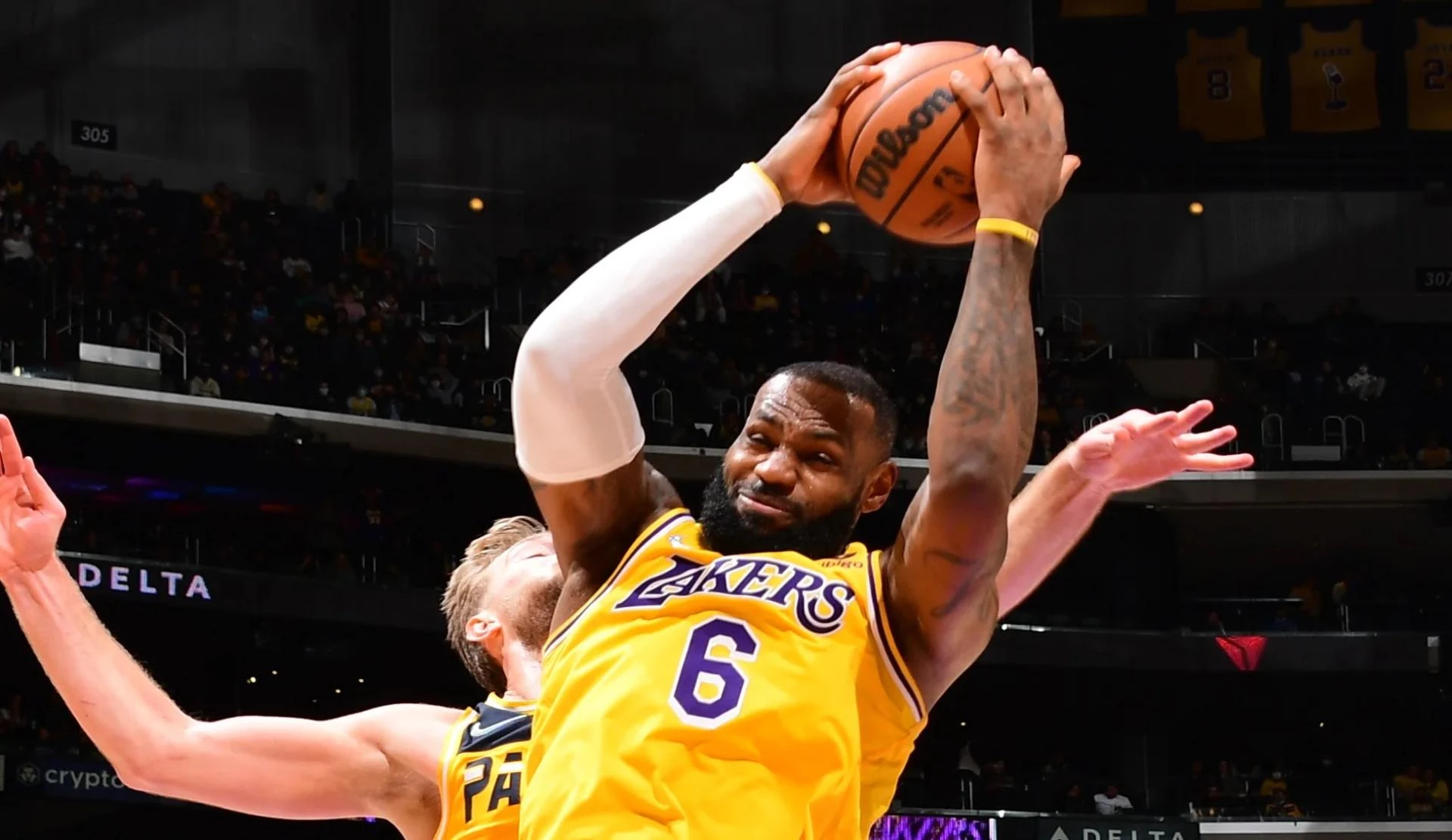

Rebounding is an essential part of the game of basketball. It is a player grabbing the ball after a missed shot, free throw, or turnover. It is an important skill for any player, as it can be the difference between winning and losing a game. This article will explore the different types of rebounds and their importance in the game.
We will look at offensive, defensive, and long and short rebounds. We will also look at the different strategies used to maximize the effectiveness of being a basketball rebounder. Finally, we will explore the importance of rebounding to the overall game of basketball.
Offensive Rebounds
Have you ever watched a basketball game and seen a player snatch the ball from an opponent's hands after they missed their shot? That, my friends, is what we call an offensive rebound. It's like getting a second chance to score or reset your team's offense. Offensive rebounds are crucial in basketball because they can lead to more scoring opportunities for the team who grabs them.
Each NBA team has a shooting machine that simulates how shots would come off the rim during a game. These machines help players get into position and develop specific skills, such as boxing out opponents for rebounds.
In addition to providing more scoring opportunities, grabbing offensive rebounds demoralizes the opposing team by making them feel like all their hard work on defense was for nothing. When reading the ball's flight, players who excel at offensive rebounds usually have good timing, quick reflexes, and strong instincts.
Players can significantly improve their offensive rebounding abilities with good timing, quick reflexes, and perseverance. Basketball games are not won by individuals but rather through teamwork and a better understanding of roles within one's unit. In our next section about defensive rebounds, let us explore another aspect where this becomes relevant- protecting our backboard while chasing down loose balls!
Defensive Rebounds
In basketball, rebounds are an essential part of the game. Defensive rebounds, in particular, can make or break a team's chances of winning. These rebounds occur when a defensive player grabs the ball after an opponent misses a shot.
Defensive rebounds require quick reflexes and excellent positioning on the court. The key here is anticipating where the ball will go once it hits the rim or backboard. Once a defensive player secures possession of the ball, they must quickly transition from defense to offense, setting up their team for a potential scoring opportunity.
But what about defensive rebounds? These happen when an offensive player grabs an offensive rebound and immediately scores by putting the ball back into the basket without coming down with it first. This requires incredible coordination and athleticism as players must jump high enough to grab the rebound while simultaneously making sure they're in a position to score.
When we're talking about defensive rebounds, one thing is clear: these plays require innovation and creativity on behalf of each player. They must constantly think ahead and anticipate what might happen next on the court if they want to emerge victorious.
Putback Rebounds
Putback rebounds occur when an offensive player grabs the ball after a missed shot and puts it back up for another attempt. These rebounds require quick reflexes, good positioning, and strong jumping ability from the offensive player.
In basketball, putback rebounds can be game-changing moments that swing momentum in favor of one team or the other. They often happen in close games where every possession counts. Players who excel at putback rebounds are highly valued by coaches, as they can provide crucial second-chance points and energize their teammates with their hustle and effort.
Putback rebounds may seem simple, but they require skill, timing, and athleticism to execute properly. Whether you're playing pickup ball at your local gym or watching your favorite pro team on TV, keep an eye out for these exciting plays that can turn the tide of any game.
As we discuss 'team rebounds', it's important to note how individual players can make a difference. Let's explore how teams work together to secure this type of rebound next.
Team Rebounds
As basketball continues to evolve, so do the different types of rebounds. It's not just about grabbing a missed shot anymore; there are various ways to secure possession for your team. One such type is called 'team rebounds.'
Team rebounds occur when no individual player grabs the ball after it bounces off the rim or backboard. Instead, it falls into open space, and any player on either team can grab it. If someone from neither side gets their hands on it, then it counts as a turnover.
While some may think that team rebounds aren't significant, they can be critical in certain situations. For example, if one team has been struggling with securing defensive rebounds all game long, getting a few extra team rebounds could give them an added boost of confidence and momentum.
The adage "there's no I in team" applies here because even though no single player is credited with the rebound, every team member must work together to ensure they don't lose possession. This type of rebound also highlights how teamwork and using a basketball passing machine play crucial roles in winning games.
Moving forward, blocked shot rebounds will be explored further. While we often celebrate players who make impressive blocks, what happens next can be just as important. Stay tuned to learn more about this exciting aspect of basketball!
Blocked Shot Rebounds
Blocked shot rebounds are an important type of rebound during a basketball game. When a player attempts to shoot the ball and another player blocks it, it becomes loose and up for grabs. This is where blocked shot rebounds come into play.
These rebounds are often unpredictable and require quick reflexes from players on both teams. As soon as the ball hits the floor or bounces off of a player's hands, they must be ready to jump up and grab it before anyone else does.
One common strategy used in these situations is boxing out. Players will position themselves between their opponent and the basket, using their bodies to create space while waiting for the ball to fall into their hands.
Another important aspect of blocked-shot rebounds is timing. Players must have excellent timing to get in position for the rebound at just the right moment. They also need to be aware of other players around them since collisions can easily occur when multiple people go after the same ball.
Overall, blocked shot rebounds add an exciting element to any basketball game. They require skill, agility, and quick thinking—all qualities that make for an engaging viewing experience. So next time you're watching a game, keep your eye out for these high-flying moments!
Conclusion:
Rebounds are essential to basketball; understanding the different types can help players and coaches make informed decisions. Each has its characteristics and potential risks, from offensive and defensive rebounds to putback and blocked shot rebounds. Teamwork, coordination, and using a basketball shooting machine are crucial for success in rebounding. So, whether you're a fan or a player, keep your eyes peeled for these exciting moments on the court.


























Sign in to leave a comment.