

Have you ever noticed how the color of a room can change how you feel? Blue rooms feel calm. Red rooms feel intense. Now imagine that effect on an athlete about to compete.
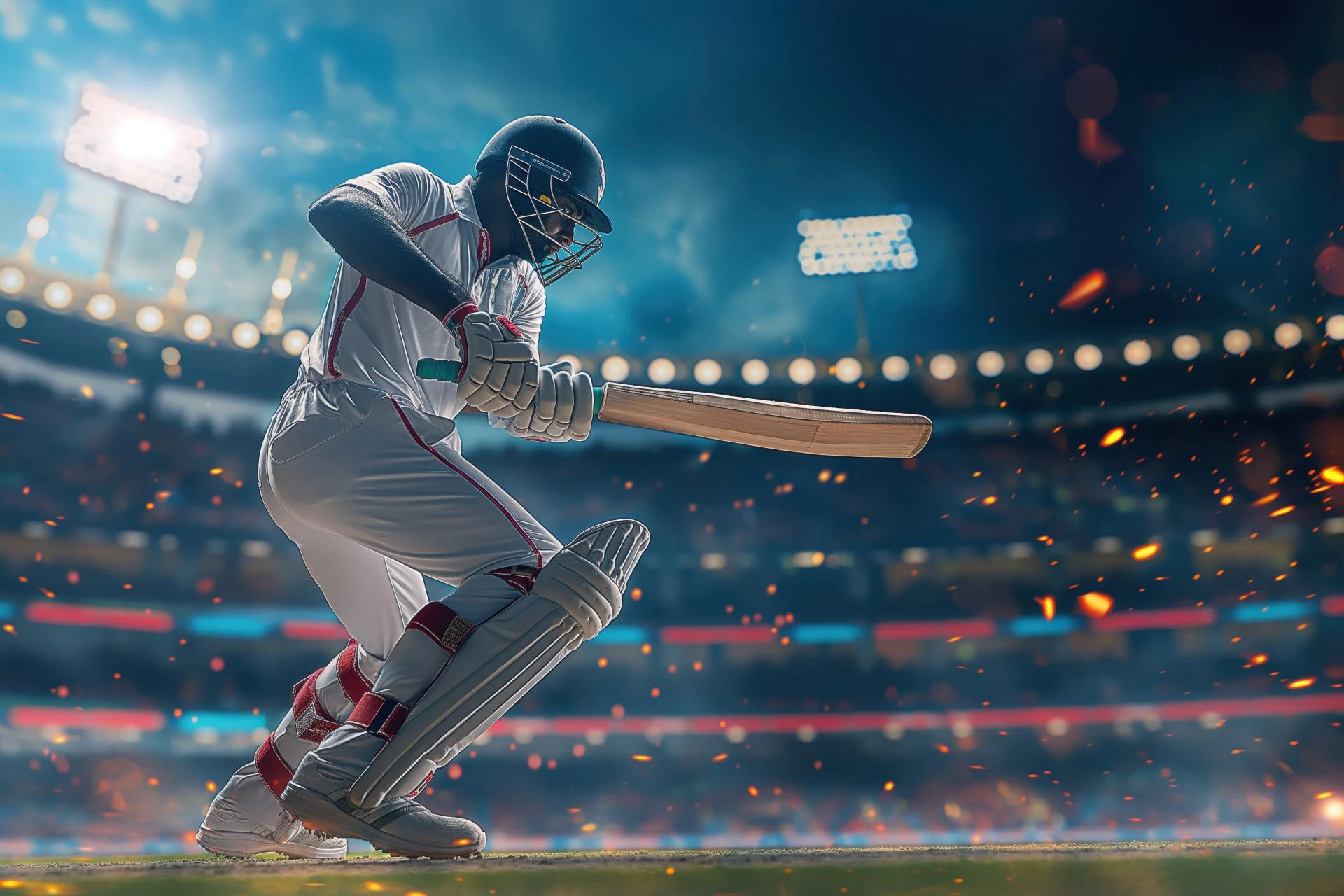
Sports venue colors are more than just decoration. They are a real performance factor. Let me explain.
Not All Athletes Are the Same
This is important. Athletes have different nervous system types. Some are naturally excitable. Others are naturally flat. The color of their environment should match their needs.
When Athletes Are Too Excited
Some athletes are fast and flexible. But their emotions swing wildly. They get too pumped up. They lose balance and focus.
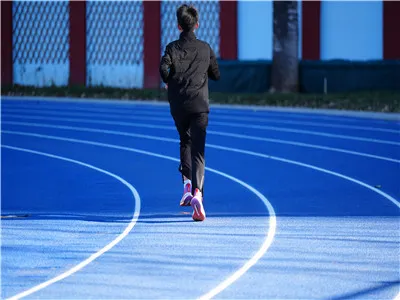
Cool colors help these athletes. Blue and green are the best options. They bring calm. They settle the mind.
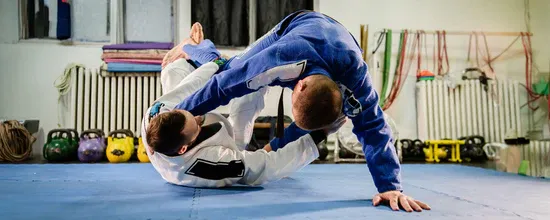
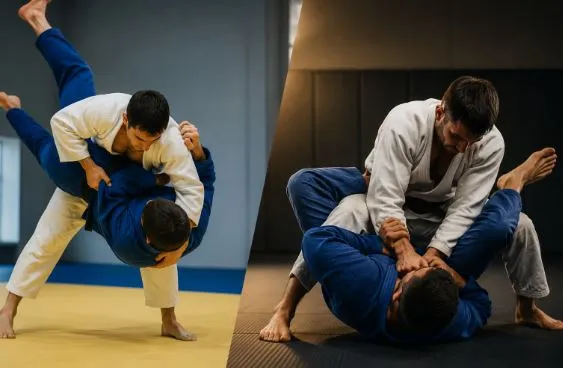
Think about a martial artist in a blue-walled gym. That fighter will feel more composed than one training in a red room. The blue acts like a mental anchor.
When Athletes Are Too Flat
Other athletes struggle to get going. They feel low before a match. Their confidence is weak.
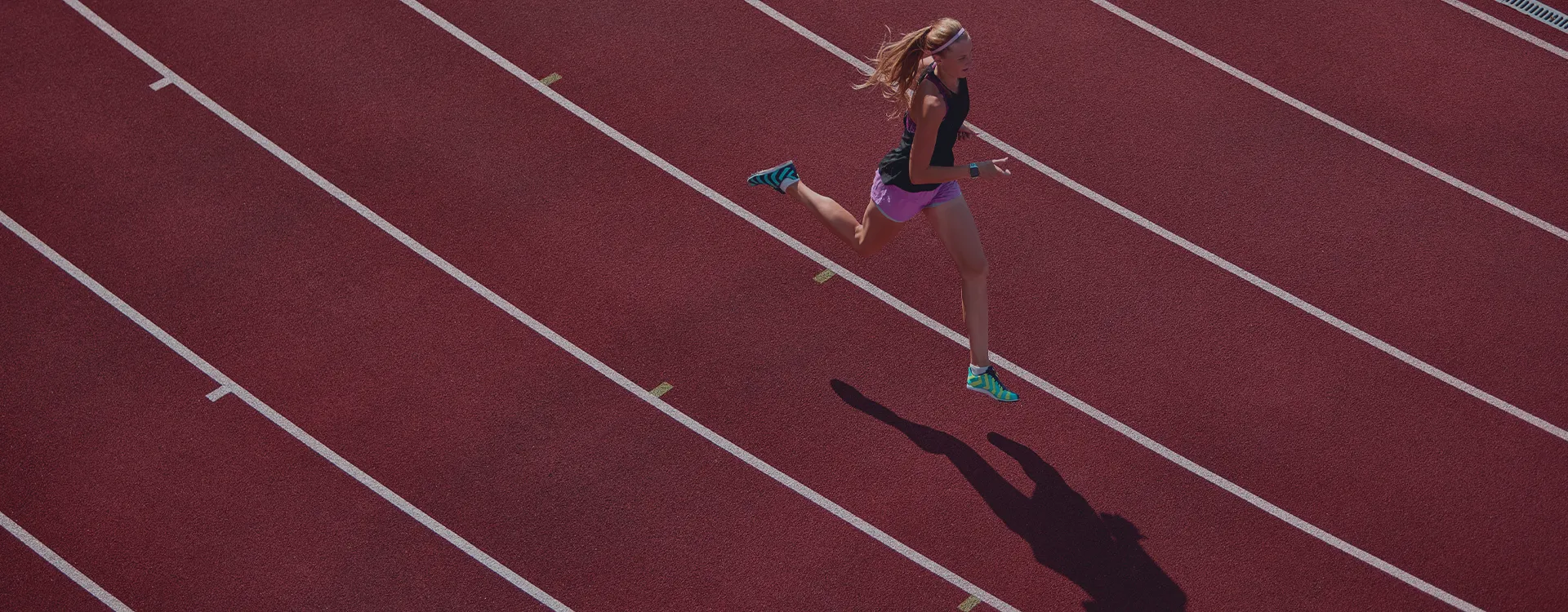
For them, warm colors are the answer. Red and orange create excitement. They spark energy and fighting spirit.
A sprinter surrounded by warm tones before a race will feel faster. The color gives the brain a boost. It says: move.
But distance runners are different. They need calm. Soft colors help them stay relaxed over long efforts. Bright, warm colors would drain them too early.
When Athletes Need Precision
Gymnastics. Diving. Shooting. These sports need total focus. One emotional spike and the routine falls apart.
In these cases, stay away from warm colors. They create instability. Cool blue and green environments are the way to go. They support concentration and self-control.
What Coaches Should Take Away
Color is a tool. Use it wisely.
Excitable athletes? Go cool.
Low-energy athletes? Go warm.
Endurance athletes? Go soft and muted.
Precision athletes? Go cool and steady.
It is a small detail. But small details win big competitions.






















Sign in to leave a comment.