
Introduction
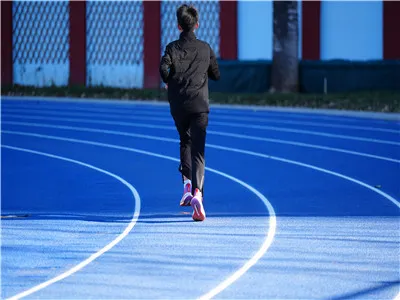
Running tracks have been red for decades. But in recent years, blue running tracks have started appearing at stadiums, training centers, and schools around the world. This shift is not just about style — it is driven by science.
Color psychology research shows that blue has powerful effects on the human brain. For athletes, these effects can lead to better focus, lower stress, and improved performance. In this article, we explore why blue running tracks are gaining popularity and what makes them different.
The Role of Color in Sports
Colors affect how people feel. This is a well-studied area of psychology. Different colors trigger different emotional and physical responses in the human body.
In sports, these responses matter. The color of a playing surface can influence an athlete's mood, stress level, and willingness to perform. That is why choosing the right color for a running track is more important than many people realize.
Red Tracks: Familiar but Flawed
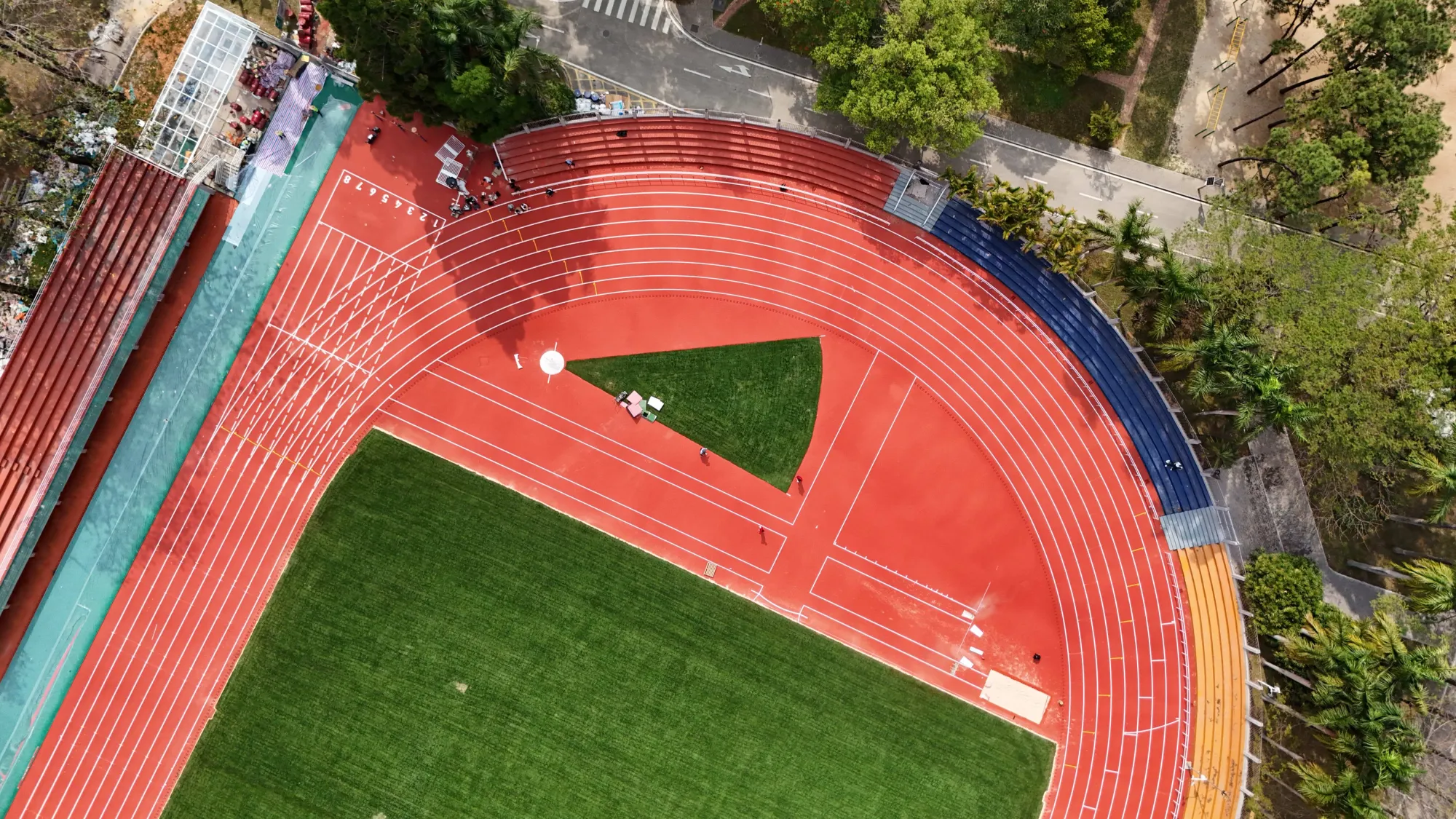
Red has been the traditional color for running tracks for many years. Red is associated with energy, passion, and power. It looks bold and catches the eye.
However, red also has negative effects. It is the color of warning signs and stop signals. For athletes, standing on a red surface can create a subtle sense of tension and alertness. This is not helpful when athletes need to feel calm, loose, and focused before a race.
Why Blue Is a Better Choice
Blue is one of the most popular and widely liked colors in the world. Research shows that almost nobody has a negative reaction to blue. It is associated with:
- Calmness — Blue relaxes the mind and body.
- Openness — Blue reminds people of the sky and the ocean.
- Focus — Blue helps people concentrate.
- Hope — Blue creates a sense of positivity and possibility.
These qualities make blue an ideal color for a sports surface.
The "Running Assist Effect"
A German psychologist named Brim studied the connection between color and athletic performance. His research found that blue has a unique effect on runners, which he called the "running assist effect."
Here is what Brim discovered:
- When athletes see a blue running track, their brains connect the color to open spaces — the sky and the sea.
- This mental image creates a feeling of freedom and endurance.
- Athletes feel like they can run farther, longer, and more comfortably.
- The blue surface reduces mental stress and helps athletes stay focused.
This effect is backed by color psychology research, which shows that blue light has a direct calming effect on the nervous system.
Benefits for Athletes
Blue running tracks offer several advantages for athletes:
- 1.Reduced stress — Blue lowers anxiety levels, helping athletes stay calm before and during competition.
- 2.Better focus — The calming effect of blue helps athletes concentrate on their performance.
- 3.Improved comfort — Athletes report feeling more comfortable and willing to train on blue surfaces.
- 4.Positive mindset — Blue promotes feelings of hope and freedom, which can boost confidence.
Benefits for Facilities and Events
Blue running tracks also offer advantages for sports facilities and event organizers:
- Visual appeal — Blue tracks look modern and fresh, standing out on camera and in photographs.
- Athlete attraction — As awareness of color psychology grows, athletes may prefer to train and compete on blue surfaces.
- Brand image — A blue track signals that a facility is innovative and science-driven.
- Spectator experience — Blue surfaces are visually striking and create a memorable atmosphere.
Conclusion
Blue running tracks are more than a design trend. They represent a thoughtful application of color psychology to sports science. By choosing blue, facility owners create environments that support athlete well-being and performance.
As more research confirms the benefits of blue in sports, this trend is likely to continue growing. Blue tracks are not just changing how running surfaces look — they are changing how athletes feel when they run on them.



























Sign in to leave a comment.