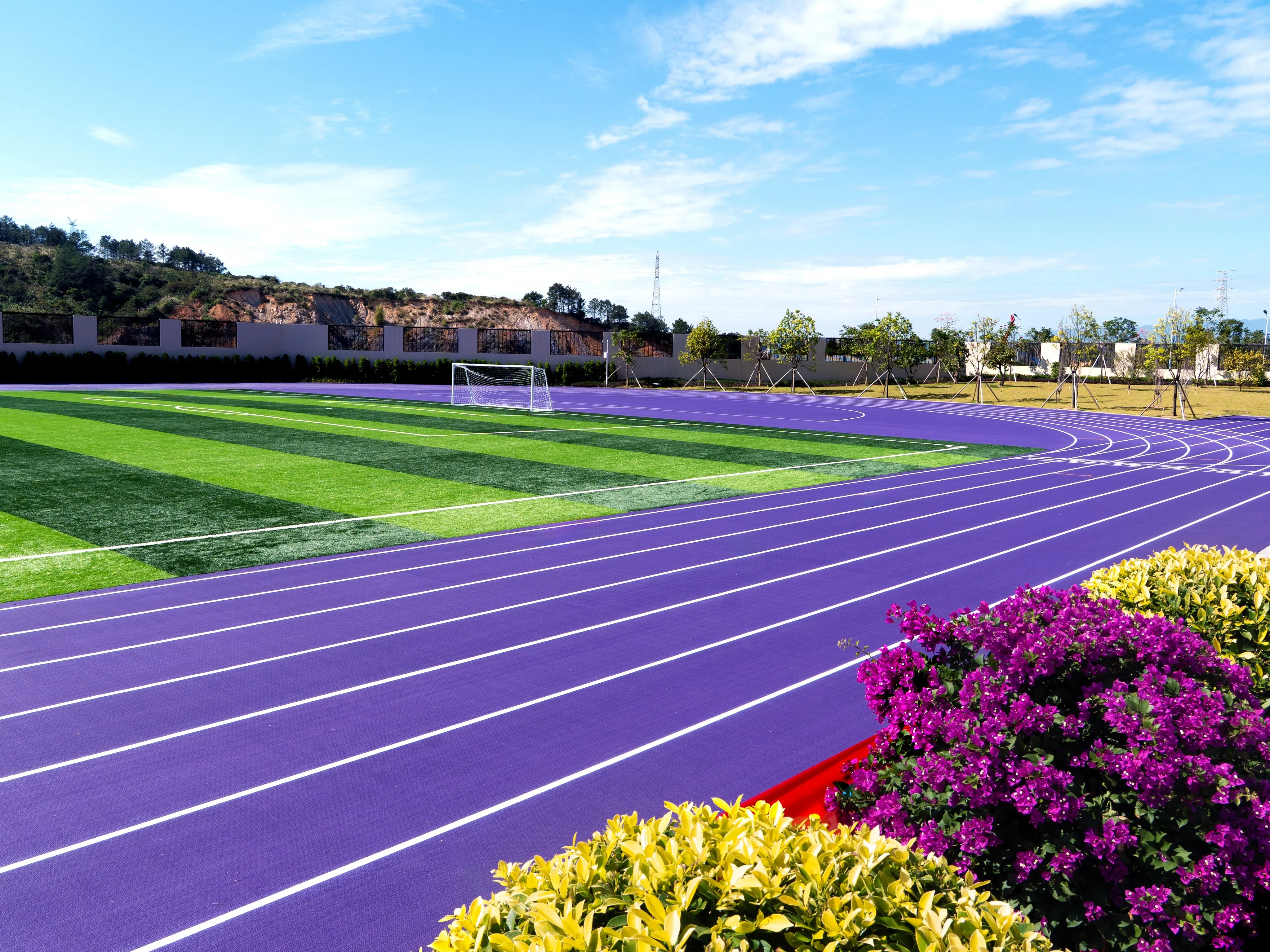

Have you ever wondered why some running tracks feel "fast" while others feel hard and uncomfortable? A professional sports surface is more than just a red path. It is a high-tech floor built for speed and safety. To get a world-class result, there are five essential steps that every project must follow.
1. Selecting High-Quality Raw Materials
A great track starts with great ingredients. You cannot build a durable surface with low-grade rubber. Professional tracks use EPDM granules and strong polyurethane binders. These materials ensure the track can handle hot sun, heavy rain, and thousands of running shoes without falling apart.
2. Precision Mixing for a Perfect Surface
Most professional tracks use a pour-in-place system. This means the materials are mixed on-site. If the mix is not perfect, the track might be too soft or too brittle. Expert teams use precise measurements to make sure the "recipe" is exactly right for the local weather and the athletes’ needs.
3. Building a Strong Foundation
Think of a running track like a house; it needs a solid floor. Before any rubber is poured, the base (usually asphalt or concrete) must be perfectly flat and clean. If the foundation has bumps or cracks, the track surface will eventually fail. A good base ensures the track stays smooth for many years.
4. Expert Installation and Paving
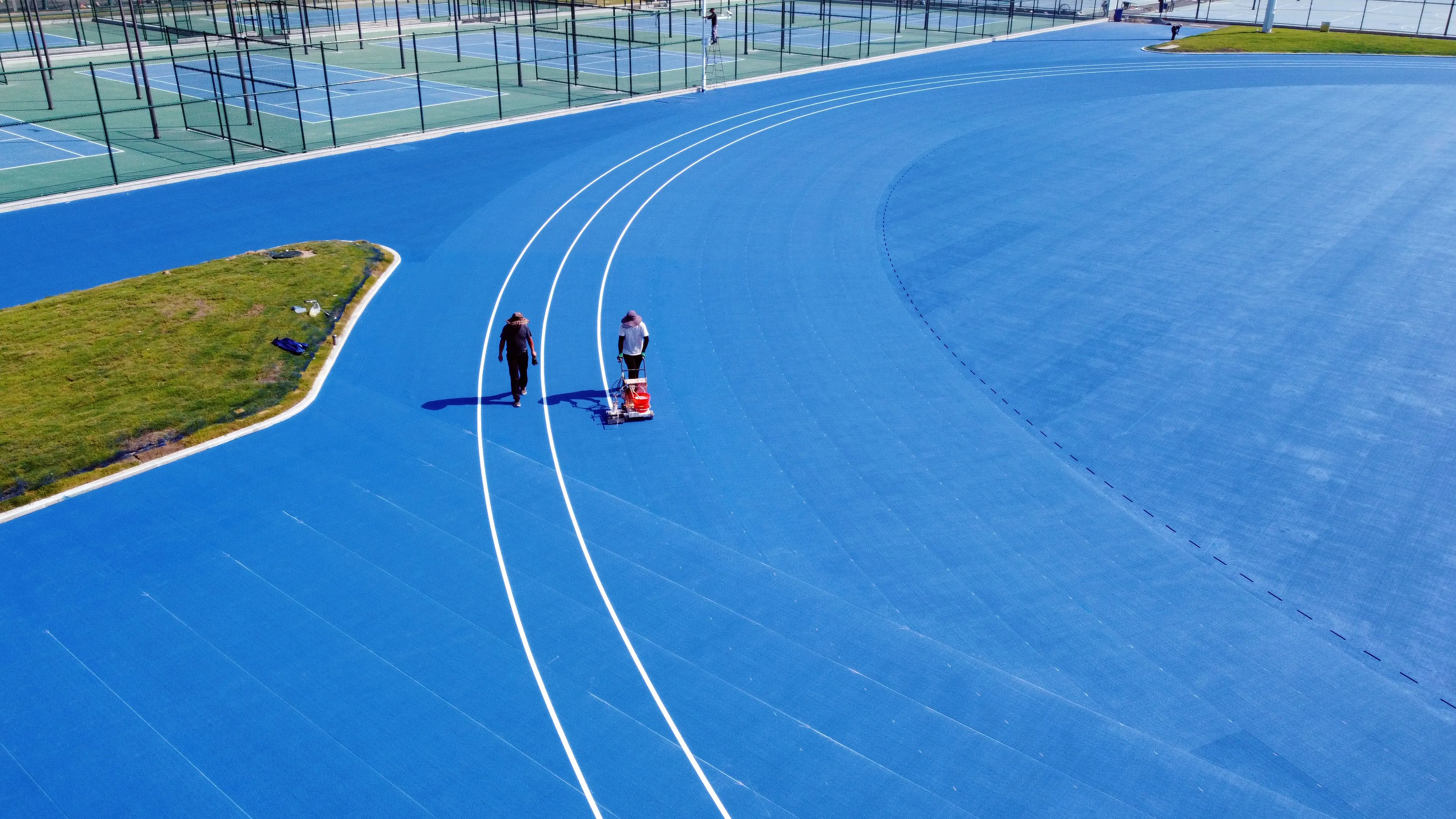
This is where the magic happens. Specialized machines and skilled workers spread the material evenly across the field. In a pour-in-place system, this layer must be seamless. A smooth, seamless surface prevents athletes from tripping and helps them maintain a steady rhythm while they run.
5. Final Testing and Certification
Before the first race begins, the track must be tested. Professionals check for "shock absorption" (how much it protects the joints) and "vertical deformation" (how much it bounces back). Look for certifications from groups like World Athletics or the ITF. These certificates prove that the track is safe, fair, and ready for competition.
Conclusion
Building a world-class running track takes patience and expertise. By focusing on high-quality materials and professional installation, schools and stadiums can provide a surface that helps athletes perform their best while staying safe from injury.






























Sign in to leave a comment.