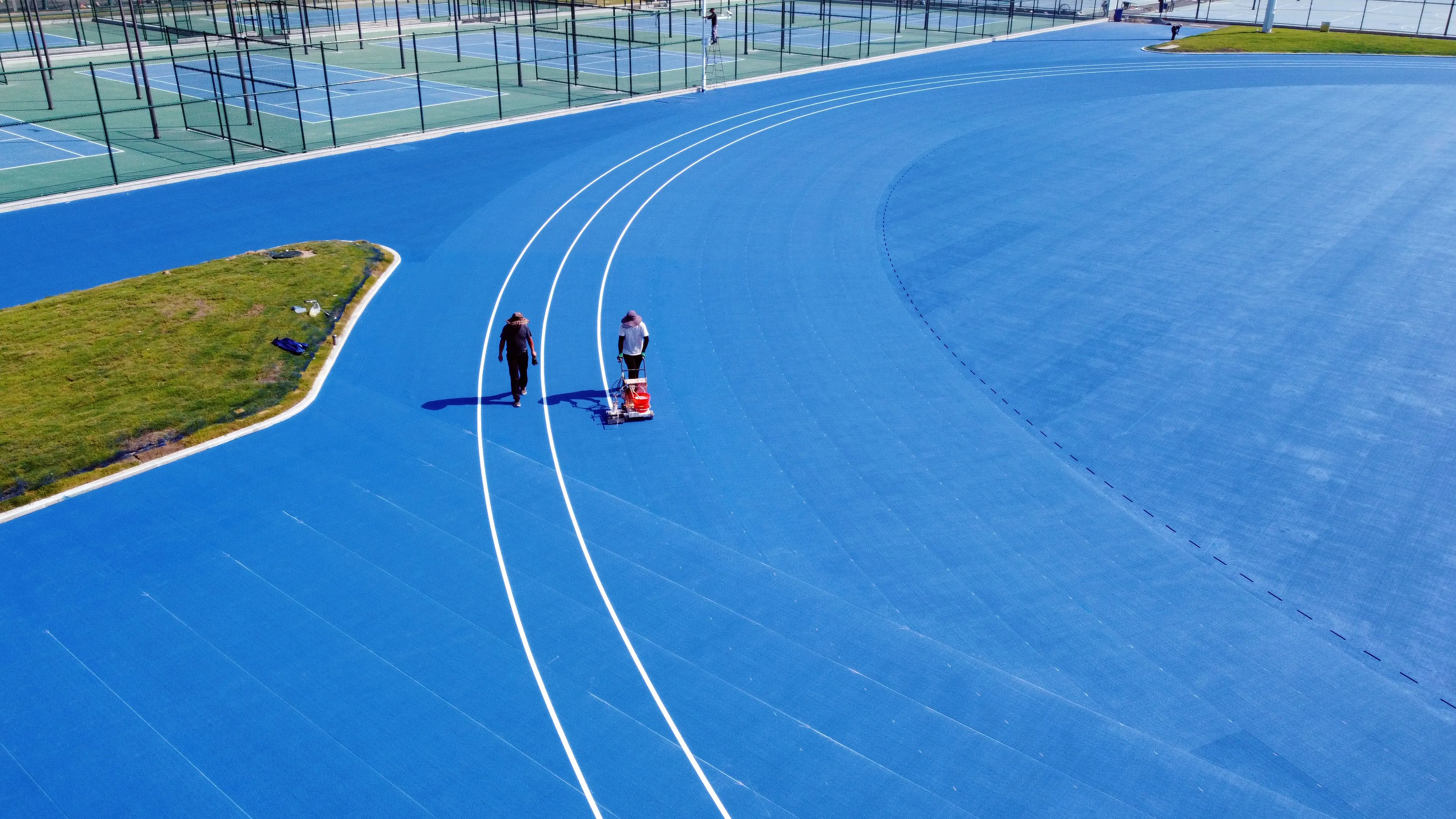

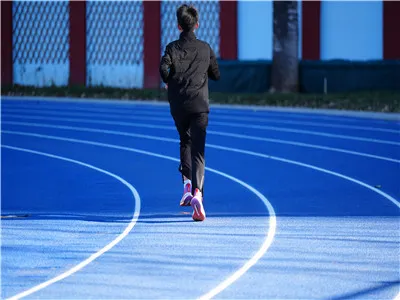
Installing a professional-grade synthetic running track is a significant investment for schools, stadiums, and sports facilities. While the installation process itself is a feat of engineering, the final stage—curing—is often the most critical. Rushing onto a track before it is fully cured can lead to permanent surface damage and compromised performance.
In this guide, we explore the essential timeline for curing synthetic tracks and the factors that influence it.
Why Curing Time is Critical
Curing is not just about the surface "drying." It is a chemical reaction, particularly in pour-in-place (wet-pour) systems, where the polyurethane binders cross-link with rubber granules to create a seamless, resilient bond. If this process is interrupted by foot traffic, equipment, or heavy rain, it can lead to:
- Surface delamination
- Uneven texture or "soft spots"
- Reduced lifespan of the track
The Standard Curing Timeline
While every project varies based on materials and environment, here is a general timeline for a standard synthetic track installation:
- Initial Set (24 Hours): The surface will typically feel dry to the touch. However, it remains highly vulnerable to indentation.
- Light Traffic Ready (48–72 Hours): Depending on the binder used, the track may be able to handle light foot traffic (walking without spikes).
- Full Cure (7–14 Days): This is the window required for the material to reach its full physical properties, including maximum shock absorption and spike resistance.
Key Factors Influencing Curing Time
1. Material Type: Pour-in-Place Systems Unlike prefabricated mats, pour-in-place systems require more precision during the curing phase. These surfaces are mixed and laid on-site, meaning the chemical reaction happens entirely in the local environment.
2. Temperature and Humidity Polyurethane binders are moisture-cured. High humidity can actually accelerate the initial set, while extremely dry air can slow it down. Ideally, temperatures should remain between 15°C and 35°C (60°F - 95°F) for optimal results.
3. Ventilation and Airflow For indoor facilities, proper ventilation is mandatory to ensure the off-gassing process proceeds correctly and the surface stabilizes uniformly.
Post-Installation Checklist for Facility Managers
To ensure your new track meets professional standards (such as World Athletics or ITF-level quality), follow these steps:
- Secure the Perimeter: Use physical barriers to prevent accidental entry.
- Monitor Weather Forecasts: Avoid scheduling the final pour if heavy rain is expected within 24 hours.
- Professional Inspection: Before the first official training session, have the installer verify the hardness (durometer) of the surface.
Conclusion
Patience is the final ingredient in a high-performance running track. By allowing the pour-in-place materials the necessary time to chemically stabilize, you ensure a safer, more durable, and higher-performing surface for your athletes.

























Sign in to leave a comment.