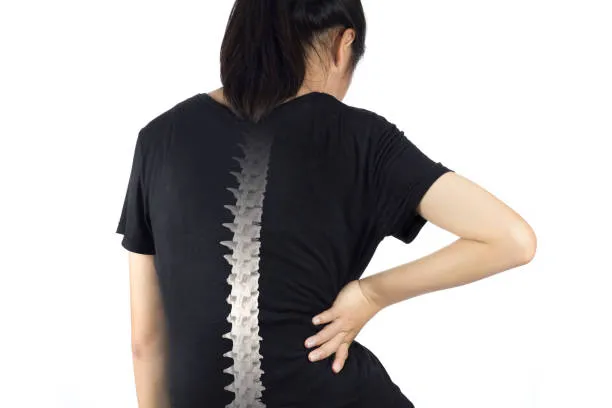

Understanding Spinal Changes in Adults
A healthy spine naturally has gentle curves that help the body maintain balance, movement, and stability. Scoliosis is a condition in which the spine develops an abnormal sideways curve, which may also influence posture and the way the shoulders, hips, or torso appear. In adults, spinal changes may be noticed gradually and can sometimes be difficult to recognise without a professional assessment.
Being aware of mild scoliosis symptoms can encourage people to pay closer attention to changes in posture and movement. However, posture differences do not always mean that someone has scoliosis. Uneven shoulders, muscle tightness, or back discomfort can have many possible causes, so persistent or noticeable changes should be assessed appropriately.
Common Signs to Pay Attention To
Some spinal or postural changes may become more noticeable during everyday activities. These signs can vary from person to person and do not necessarily confirm a curved spine.
Possible observations include:
- One shoulder appearing higher than the other
- Changes in the position of the hips or waist
- A tendency to lean slightly to one side
- Noticeable posture changes while standing or walking
- Back discomfort after prolonged sitting or standing
- Muscle tightness or imbalance on one side of the body
- Reduced flexibility during certain movements
- Difficulty maintaining a comfortable upright posture
Some people may have very few noticeable symptoms, while others may experience discomfort or stiffness. This is why observing changes over time can be more useful than focusing on a single symptom.
How Posture Can Influence Daily Comfort
Spinal alignment is closely connected with how the body distributes movement and load. Spending long periods at a desk, using poor sitting positions, or remaining inactive for extended periods can contribute to muscle tension and postural strain.
These habits do not necessarily cause scoliosis, but they can affect how comfortable a person feels and may make existing postural differences more noticeable.
Simple posture awareness can be helpful. When sitting, keeping the back supported, positioning the feet comfortably, and avoiding prolonged static positions can encourage more balanced movement. Taking regular movement breaks may also reduce stiffness associated with extended sitting.
Supporting Spinal Health Through Movement
Maintaining regular physical activity can support general spinal health and help preserve mobility. Exercise should be appropriate for an individual's abilities and should not cause significant pain.
Core Strengthening
The muscles around the abdomen, back, and pelvis contribute to stability. Appropriate core strengthening exercises may help support the body during everyday movements. A balanced approach is generally preferable to repeatedly working only one muscle group.
Flexibility Exercises
Gentle flexibility exercises can help maintain comfortable movement in the hips, shoulders, and back. Stretching should be controlled and gradual rather than forced. If a particular movement consistently causes discomfort, it is sensible to stop and seek professional guidance.
Staying Active
Walking, swimming, and other suitable low-impact activities can help maintain mobility and overall physical conditioning. The most appropriate activity can depend on an individual's posture, symptoms, fitness level, and other factors.
When Professional Assessment May Be Helpful
Not every posture change indicates scoliosis. A professional assessment can help distinguish between temporary muscular imbalance, habitual posture, reduced mobility, and structural changes involving the spine.
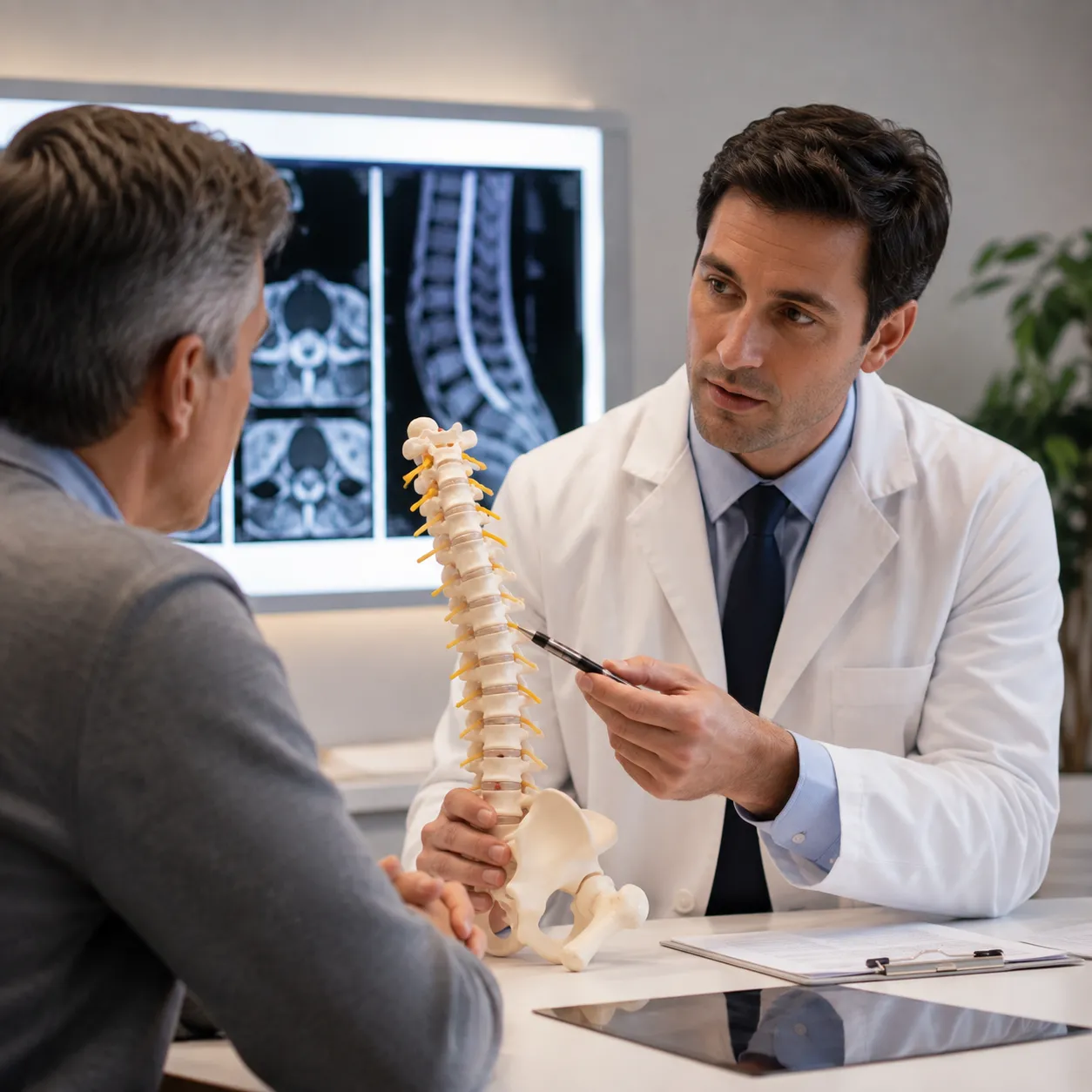
Assessment may involve observing posture, movement, flexibility, and muscle balance. In some situations, further evaluation may be recommended to understand the structure and extent of a spinal curve.
People experiencing persistent back discomfort, increasing stiffness, noticeable posture changes, or changes that interfere with daily activities should consider seeking qualified professional advice rather than relying solely on self-assessment.
Adult Scoliosis Care Options in Kuala Lumpur
Adults looking for adult scoliosis treatment in KL may find that care is focused on individual needs rather than a single standard approach. Depending on the assessment, professional care may include movement-based rehabilitation, posture education, targeted strengthening, flexibility work, and strategies for managing everyday discomfort.
For people considering adult scoliosis treatment in KL, an appropriate assessment is an important starting point. A qualified healthcare professional can determine whether symptoms are related to scoliosis or another musculoskeletal concern and can suggest suitable management options.
Those exploring adult scoliosis should also consider whether the provider takes an individualised approach. Factors such as mobility, work habits, physical activity, previous injuries, and current discomfort may all be relevant when developing a care plan.
Building Better Posture Habits
Small adjustments can support more comfortable movement throughout the day. Instead of trying to maintain a rigid posture continuously, focus on changing positions regularly and moving naturally.
Helpful habits may include:
- Taking regular breaks from prolonged sitting
- Adjusting the workstation for comfortable positioning
- Keeping frequently used items within easy reach
- Including suitable physical activity in the daily routine
- Paying attention to changes in flexibility or movement
- Following exercises recommended by a qualified professional
- Avoiding exercises that repeatedly increase discomfort
These habits can complement professional care and encourage greater awareness of spinal alignment without promising to correct a structural spinal curve.
Conclusion
Understanding changes in posture can be an important part of maintaining long-term spinal health. While mild scoliosis symptoms may be subtle, noticeable differences in posture, flexibility, or comfort should not automatically be attributed to scoliosis. A professional assessment can provide greater clarity and help identify an appropriate approach.
If you have ongoing concerns about posture, movement, or back comfort, consider speaking with a qualified healthcare professional for an individual assessment and guidance suited to your needs.



























Sign in to leave a comment.