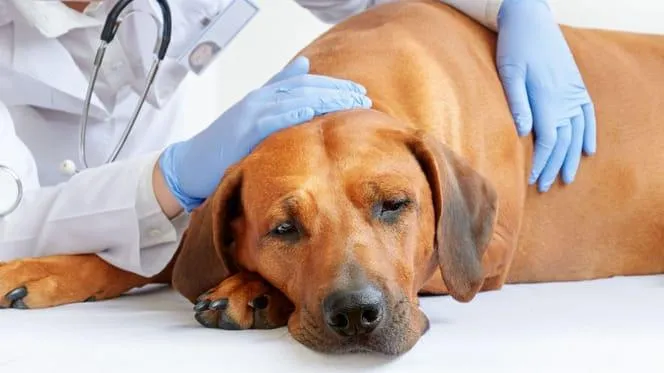

Pets often communicate through their behavior rather than words. A dog that suddenly stops playing, a cat that begins hiding, or a pet that loses interest in food may be showing signs of an underlying health concern. While some changes are temporary, persistent or unusual symptoms should never be ignored.
Knowing when to seek professional veterinary care can help pet owners address potential problems earlier and protect their companion’s long-term well-being. Whether you share your home with a puppy, kitten, adult pet, or senior animal, understanding common warning signs can make it easier to determine when professional attention is appropriate. For pet owners searching for dependable Downey pet hospital services, recognizing these changes is an important first step toward making informed decisions about their pet’s health.
Pay Attention to Changes in Appetite
Changes in eating habits are among the most noticeable signs that something may be wrong. A pet that suddenly refuses food or consistently eats less than normal may be experiencing dental discomfort, digestive problems, infection, pain, stress, or another medical issue.
Increased appetite can also deserve attention, particularly when it occurs alongside weight loss, increased thirst, or changes in activity. Because appetite changes can have many possible causes, persistent differences should be discussed with a veterinarian rather than being automatically attributed to picky eating.
Keeping track of your pet’s normal eating routine can make unusual changes easier to recognize. It can also provide useful information during a veterinary examination.
Notice Unusual Changes in Energy or Behavior
Every pet has its own personality and activity level, so owners are often the first people to notice when something feels different. A normally energetic dog that becomes unusually tired or a friendly cat that begins hiding may be experiencing discomfort or illness.
Other behavioral changes can include restlessness, increased vocalization, irritability, reluctance to interact, or sleeping significantly more than usual. Some animals become withdrawn when they are uncomfortable, while others may become unusually clingy.
Behavior alone cannot identify a specific condition, but a sudden or persistent change is a reason to pay closer attention and consider professional evaluation.
Watch for Breathing Problems
Breathing changes should be taken seriously. Persistent coughing, wheezing, rapid breathing, difficulty breathing, or unusual respiratory sounds may indicate a problem involving the lungs, heart, airway, or another part of the body.
A pet that appears to be struggling to breathe requires prompt veterinary attention. Respiratory problems can sometimes become more serious quickly, so delaying an evaluation may increase the risk of complications.
During an examination, a veterinarian can assess breathing patterns, listen to the heart and lungs, and determine whether additional testing is appropriate. Diagnostic imaging and laboratory tests may be recommended when more information is needed.
Persistent Vomiting or Diarrhea Requires Attention
Occasional digestive upset can occur, but repeated vomiting or diarrhea should not simply be dismissed, particularly when symptoms continue or occur with other changes.
Digestive problems can result from dietary changes, parasites, infections, ingestion of inappropriate substances, foreign objects, or underlying medical conditions. Continued fluid loss can also contribute to dehydration.
If your pet experiences recurring digestive symptoms, provide the veterinary team with information about recent meals, possible exposure to unusual foods or substances, and changes in bathroom habits. Depending on the situation, a veterinarian may recommend a physical examination, fecal analysis, bloodwork, or other diagnostic testing.
Recognize Signs of Pain and Mobility Problems
Pets can be remarkably good at hiding discomfort. As a result, pain may appear as a subtle change rather than an obvious cry or complaint.
Limping, stiffness, difficulty climbing stairs, reluctance to jump, changes in posture, excessive licking of a particular area, or avoiding physical activity can all warrant attention. Older pets may naturally slow down with age, but significant mobility changes should not automatically be considered normal.
A veterinary examination can help identify possible causes, including injuries, joint problems, arthritis, or other sources of discomfort. In some cases, veterinary X-rays or other imaging may help provide a clearer picture of what is happening.
Do Not Overlook Skin and Ear Changes
Skin and coat changes can provide useful clues about a pet’s health. Persistent scratching, hair loss, redness, scabs, skin irritation, or unusual odors may be associated with allergies, parasites, infections, or other conditions.
Ear problems can produce symptoms such as frequent head shaking, repeated scratching, redness, discharge, or an unpleasant smell. Although these symptoms can look similar across different conditions, the appropriate treatment depends on the underlying cause.
Professional veterinary assessment can help determine whether further examination or testing is needed rather than relying solely on symptoms visible at home.
Dental Health Is Part of Overall Wellness
Oral health deserves regular attention because dental problems can cause significant discomfort while remaining easy to overlook. Bad breath, excessive drooling, swollen or bleeding gums, difficulty chewing, dropping food, or reluctance to eat can indicate an oral health concern.
Routine veterinary examinations provide an opportunity to check the teeth and gums and identify problems that may require professional dental care. At home, appropriate brushing and veterinarian-approved dental products can complement professional oral health management.
Maintaining good dental hygiene throughout a pet’s life can contribute to better comfort and overall wellness.
Preventive Veterinary Visits Matter
Professional veterinary care is not limited to treating obvious illness. Routine wellness examinations can help identify developing concerns before they produce noticeable symptoms.
During preventive visits, veterinarians may assess body condition, weight, teeth, skin, ears, heart, lungs, and other aspects of general health. Vaccinations and parasite prevention can also be reviewed according to the pet’s individual needs.
Diagnostic screening may become particularly valuable as pets age. Depending on the animal’s health history and risk factors, a veterinarian may recommend blood tests or other screening procedures to monitor organ function and identify changes that could otherwise remain unnoticed.
Know When Your Pet Needs Urgent Care
Some situations require immediate veterinary attention rather than waiting for a regular appointment. Examples include severe difficulty breathing, collapse, seizures, uncontrolled bleeding, serious injuries, suspected poisoning, sudden inability to stand, or repeated unproductive attempts to vomit.
In an emergency, contact a veterinary professional as soon as possible and follow their instructions. Avoid giving human medications unless a veterinarian specifically tells you to do so, because medications that are safe for people can be dangerous to animals.
Take a Proactive Approach to Your Pet’s Health
Understanding your pet’s normal habits is one of the most useful ways to recognize potential health problems. Changes in appetite, energy, behavior, weight, bathroom habits, movement, or appearance can provide valuable clues.
Pet owners can make veterinary visits more productive by keeping track of recurring symptoms and sharing relevant information about medications, diet, lifestyle, and recent behavioral changes. These details can help veterinarians build a more complete picture of the animal’s health.
Professional veterinary care works best as an ongoing part of responsible pet ownership. By paying attention to warning signs, maintaining preventive appointments, and seeking timely evaluation when something seems unusual, pet owners can support earlier detection and appropriate treatment while helping their dogs and cats enjoy healthier, more comfortable lives.





















Sign in to leave a comment.