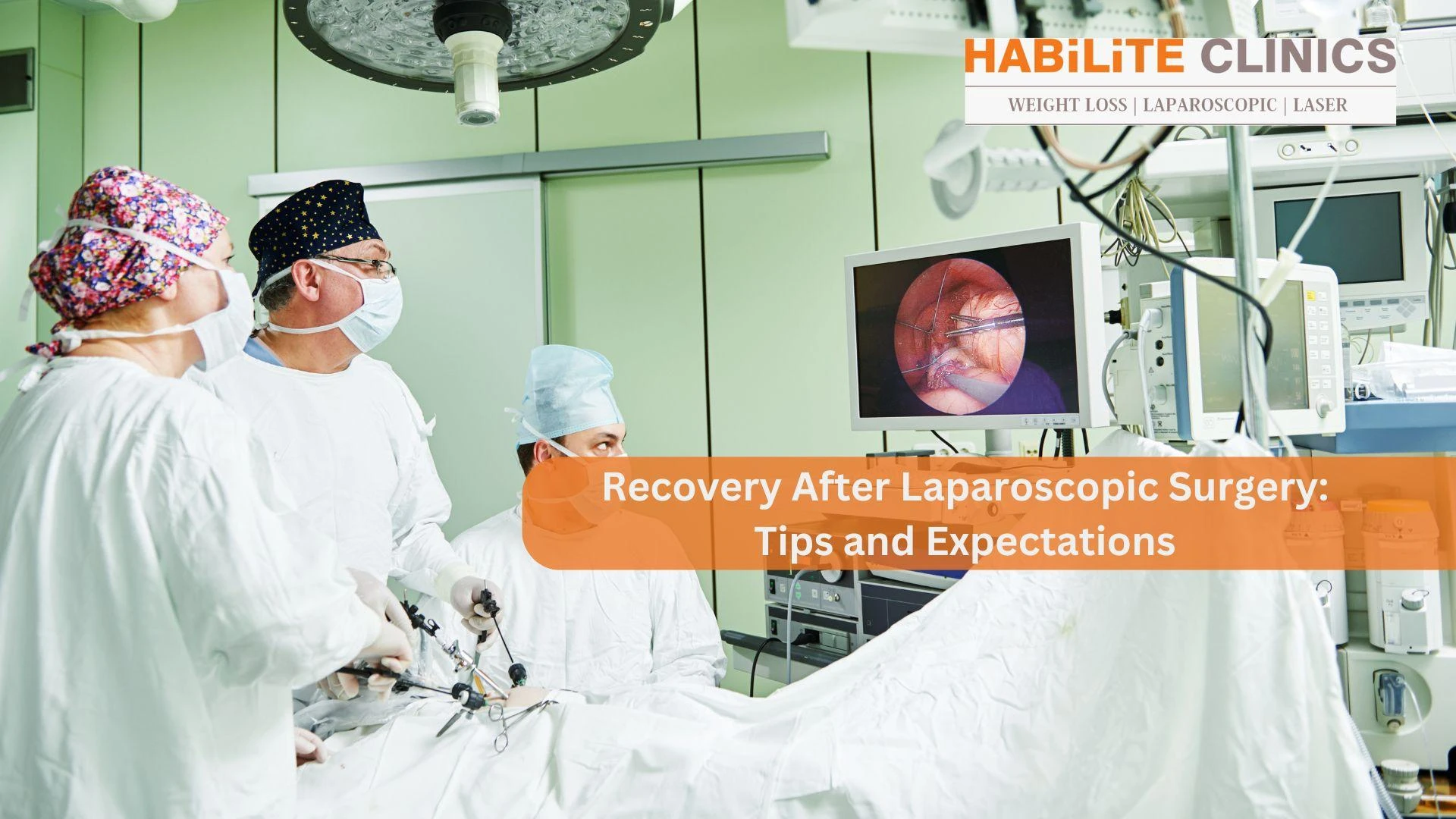

Laparoscopic surgery, often referred to as minimally invasive surgery, offers numerous advantages over traditional open surgery, including smaller incisions, reduced pain, and quicker recovery times. However, the recovery process is still a critical phase that requires careful attention to ensure optimal healing and outcomes. In this blog, we will discuss what to expect during recovery after laparoscopic surgery and provide practical tips to help you navigate this period effectively.
Understanding Laparoscopic Surgery
Before delving into recovery, it’s important to understand what laparoscopic surgery entails. This surgical technique involves making small incisions through which a camera and specialized instruments are inserted to perform the procedure. The advantages include less postoperative pain, reduced risk of infection, and shorter hospital stays.
What to Expect After Laparoscopic Surgery
Immediate Postoperative Period
Recovery Room Monitoring: After the surgery, you will be taken to a recovery room where your vital signs will be closely monitored. It's normal to feel groggy as the anesthesia wears off. Pain and Discomfort: You may experience some pain and discomfort around the incision sites. This is usually manageable with prescribed pain medications. Gas Pain: Since laparoscopic surgery involves inflating the abdomen with gas for better visibility, some patients may experience shoulder pain due to trapped gas. This typically resolves within a few days.First Few Days at Home
Rest and Activity: It’s crucial to rest and avoid strenuous activities in the initial days following surgery. However, light activities such as walking are encouraged to promote circulation and prevent blood clots. Diet: You will likely start with a light diet, gradually progressing to your normal diet as tolerated. It's essential to stay hydrated and consume fiber-rich foods to avoid constipation. Incision Care: Keep the incision sites clean and dry. Follow your surgeon’s instructions on wound care and avoid submerging the incisions in water until they are fully healed.Tips for a Smooth Recovery
Pain Management
Take Prescribed Medications: Adhere to the pain management plan provided by your surgeon. Over-the-counter pain relievers may also be recommended for mild discomfort. Use Heat or Ice Packs: Applying a heat or ice pack to the painful area can help alleviate discomfort. Ensure you follow your surgeon’s advice on which method to use.Activity and Mobility
Gradual Increase in Activity: Start with light activities and gradually increase your activity level as you feel more comfortable. Avoid heavy lifting and intense exercises until cleared by your surgeon. Gentle Exercises: Engage in gentle exercises like walking to improve blood flow and reduce the risk of complications. Walking also helps to relieve gas pain by promoting bowel movement.Diet and Hydration
Balanced Diet: Eat a balanced diet rich in fruits, vegetables, lean proteins, and whole grains to support healing. Avoid fatty, spicy, and gas-producing foods initially. Stay Hydrated: Drink plenty of fluids, but avoid carbonated beverages that can contribute to gas build-up. Water, herbal teas, and clear broths are good choices.Wound Care
Keep Incisions Clean: Follow your surgeon’s instructions on how to clean and care for your incisions. Avoid using harsh soaps or scrubbing the area. Watch for Signs of Infection: Be vigilant for signs of infection, such as increased redness, swelling, or discharge from the incision sites. Contact your surgeon if you notice any of these symptoms.When to Contact Your Surgeon
It’s essential to keep in touch with your surgeon and report any unusual symptoms promptly. Seek medical attention if you experience any of the following:
High feverSevere pain not relieved by medicationPersistent nausea or vomitingIncreased redness, swelling, or discharge from the incision sitesDifficulty breathing or chest painHabilite Clinics: Your Partner in Postoperative Care
Recovery after laparoscopic surgery is a critical phase that requires careful attention and adherence to your surgeon’s instructions. By understanding what to expect and following the tips provided, you can navigate this period smoothly and achieve optimal healing. Remember, your healthcare team at Habilite Clinics is here to support you every step of the way, ensuring you receive the highest standard of care.





























Sign in to leave a comment.