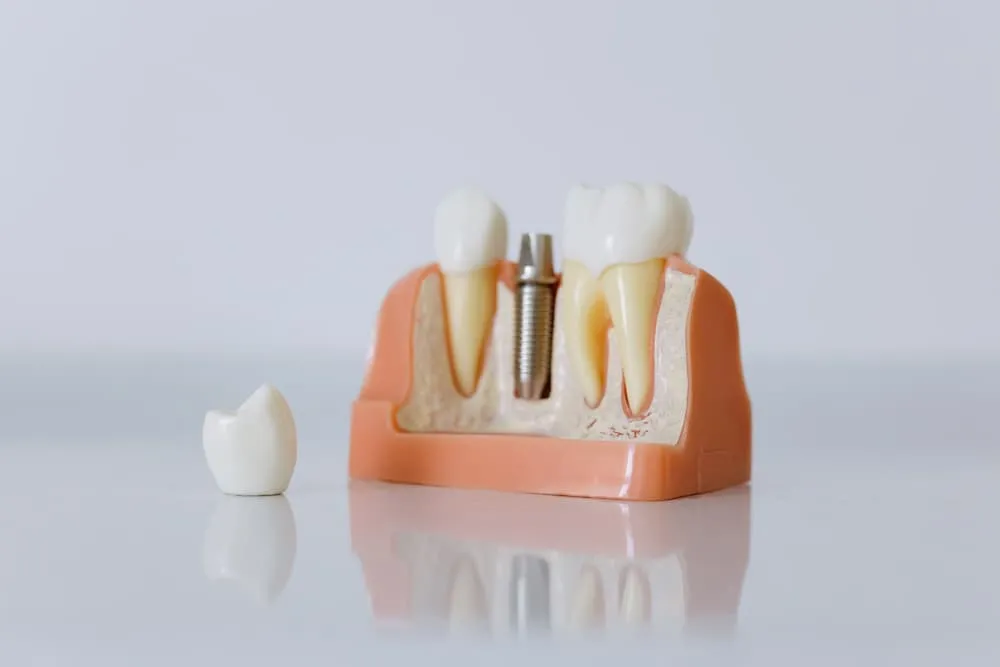

Dental implants have become one of the most reliable and long lasting solutions for replacing missing teeth. They offer both functional and aesthetic benefits, helping individuals regain confidence and oral health. After undergoing the procedure, proper recovery plays a vital role in ensuring long term success. Around this stage, many patients focus on healing effectively after receiving a dental implant while minimizing discomfort and avoiding complications. With the right approach, recovery can be smooth, comfortable, and predictable.
Understanding the Healing Process
Initial Healing Phase
The first few days after implant surgery are critical for healing. During this time, the body begins repairing tissues around the implant site. Swelling, mild discomfort, and slight bleeding are normal responses as the gums start to recover. Patients are often advised to rest and avoid strenuous activities that could interfere with healing. Proper care during this phase helps prevent complications and supports faster recovery.
Osseointegration Stage
Osseointegration is the process where the implant fuses with the jawbone. This stage is essential for the stability and durability of the implant. It can take several weeks to a few months, depending on the individual. During this time, maintaining good oral hygiene and following post operative instructions is crucial. Any disturbance in this phase can impact the long term success of the implant.
Managing Pain and Discomfort
Using Prescribed Medications
Pain management is an important aspect of recovery. Dentists often prescribe medications to reduce discomfort and inflammation. Taking these medications as directed ensures that pain remains manageable. Patients should avoid self medicating or skipping doses, as this can delay healing or cause unnecessary discomfort.
Applying Cold Compress
Cold compresses are highly effective in reducing swelling and pain during the initial days. Applying a cold pack to the outside of the face near the implant area for short intervals can provide relief. This simple method helps control inflammation and improves overall comfort during the recovery period.
Maintaining Proper Oral Hygiene
Gentle Cleaning Techniques
Oral hygiene should be maintained carefully without disturbing the surgical site. Patients are encouraged to brush gently around the implant area using a soft bristled toothbrush. Avoiding aggressive brushing helps prevent irritation and supports healing of the gum tissue.
Rinsing with Recommended Solutions
Using a dentist recommended mouth rinse can help keep the area clean and reduce the risk of infection. Saltwater rinses are commonly suggested as they soothe the gums and promote healing. Regular rinsing should be done carefully to avoid dislodging any blood clots or affecting the implant site.
Following a Soft Diet
Choosing the Right Foods
Diet plays a significant role in recovery after implant surgery. Soft foods such as yogurt, mashed potatoes, soups, and smoothies are easier to consume and do not strain the implant area. These foods provide essential nutrients while minimizing pressure on the healing site.
Avoiding Hard and Sticky Foods
Hard, crunchy, or sticky foods should be avoided during the initial healing phase. These foods can irritate the gums or even damage the implant site. Gradually reintroducing regular foods based on the dentist’s advice ensures safe and steady recovery.
Avoiding Harmful Habits
Limiting Smoking and Alcohol
Smoking and alcohol consumption can negatively affect healing after dental implant surgery. Smoking reduces blood flow to the gums, which slows down the healing process. Alcohol can interfere with medications and increase the risk of complications. Avoiding these habits significantly improves recovery outcomes.
Preventing Physical Strain
Strenuous activities and heavy lifting should be avoided for a few days after the procedure. Physical exertion can increase blood flow and lead to swelling or bleeding. Allowing the body to rest ensures a smoother and more effective healing process.
Recognizing Signs of Complications
Identifying Unusual Symptoms
While mild discomfort is normal, certain symptoms may indicate complications. Persistent pain, excessive swelling, or signs of infection such as pus or fever should not be ignored. Early identification of these symptoms allows for prompt intervention and prevents further issues.
Seeking Professional Help
If any unusual symptoms arise, contacting a dental professional is essential. Timely consultation ensures that potential problems are addressed quickly. Regular follow up visits also help monitor the healing progress and ensure the implant is integrating properly.
Importance of Follow Up Appointments
Monitoring Healing Progress
Follow up visits allow dentists to assess how well the implant is healing. These appointments are crucial for identifying any issues early and ensuring proper integration with the jawbone. Regular monitoring provides reassurance and helps maintain long term success.
Adjusting Care Instructions
During follow up visits, dentists may adjust care instructions based on the patient’s healing progress. Personalized advice ensures that recovery remains on track and that the implant continues to heal as expected.
Supporting Overall Health During Recovery
Staying Hydrated
Proper hydration supports the body’s natural healing processes. Drinking enough water helps maintain oral moisture and prevents dryness around the implant site. Staying hydrated also contributes to overall well being during recovery.
Maintaining a Balanced Diet
A balanced diet rich in vitamins and minerals supports tissue repair and strengthens the immune system. Nutrients such as calcium and vitamin C play a vital role in bone and gum health. Including these nutrients in daily meals promotes faster and more effective healing.
Long Term Care for Dental Implants
Practicing Consistent Oral Hygiene
Even after the healing period, maintaining good oral hygiene is essential for the longevity of dental implants. Regular brushing, flossing, and dental checkups help prevent gum disease and ensure the implant remains stable over time.
Protecting the Implant
Patients should take precautions to protect their implants from damage. Avoiding habits such as teeth grinding or using teeth as tools can prevent unnecessary stress on the implant. Using protective devices when recommended can also help preserve the implant.
Emotional and Psychological Benefits
Boosting Confidence
Successful dental implant recovery not only improves oral health but also enhances confidence. Patients often feel more comfortable smiling and speaking after restoring their teeth. This positive impact contributes to overall quality of life.
Encouraging Better Oral Care Habits
The investment in dental implants often motivates individuals to adopt better oral care habits. This includes regular dental visits and improved daily hygiene routines. These habits contribute to long term oral health and prevent future dental issues.
Conclusion
Recovering from dental implant surgery requires patience, proper care, and adherence to professional advice. By following recommended recovery tips, individuals can ensure successful healing and long lasting results. From managing discomfort to maintaining oral hygiene and attending follow up visits, each step plays an important role in the recovery journey. With consistent care and attention, dental implants can provide a durable and natural looking solution for missing teeth. For expert guidance and comprehensive dental care, patients can rely on Martinez & Martinez Family Dental Care.
























Sign in to leave a comment.