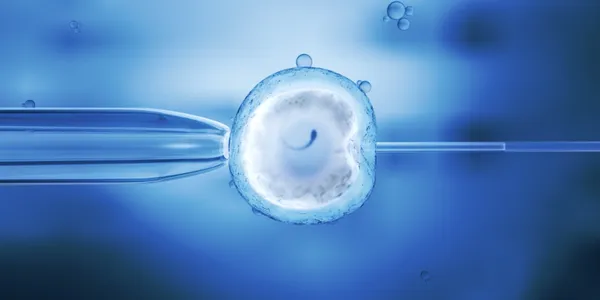

Few experiences in the IVF journey are more frustrating and heartbreaking than recurrent implantation failure (RIF)—when high-quality embryos are transferred repeatedly but fail to implant or result in early pregnancy loss. After investing emotionally, physically, and financially in multiple IVF cycles, watching beautiful embryos fail to establish pregnancy feels devastating and incomprehensible. However, recurrent implantation failure is increasingly understood as a distinct medical condition with identifiable causes and potential treatments. Understanding why implantation fails repeatedly and what diagnostic tests and interventions might help provides hope and direction when you feel stuck in an endless cycle of disappointment.
Defining Recurrent Implantation Failure
Medical definitions of RIF vary, but most specialists consider it:
Common Definition: Failure to achieve pregnancy after transfer of at least 4 good-quality embryos in a minimum of 3 fresh or frozen cycles in a woman under 40 years old.
Alternative Definitions: Some specialists diagnose RIF after:
- Transfer of 2-3 high-quality blastocysts without pregnancy
- Transfer of 3-4 cleavage-stage embryos without pregnancy
- Multiple transfers of PGT-A tested normal embryos without success
Key Criteria:
- Good embryo quality (not poor-quality embryos explaining failure)
- Proper embryo transfer technique
- Adequate endometrial preparation
- Absence of obvious causes (advanced age, diminished reserve)
RIF affects approximately 10-15% of IVF patients, representing a significant clinical challenge requiring specialized evaluation and treatment.
The Complex Biology of Implantation
Understanding why implantation fails requires appreciating how complex this process is:
Implantation Requirements:
Competent Embryo:
- Chromosomally normal
- Proper gene expression and metabolism
- Successful hatching from zona pellucida
- Ability to signal its presence
Receptive Endometrium:
- Adequate thickness (≥7-8mm)
- Proper structure and blood supply
- Appropriate molecular signals
- Synchronized receptivity timing ("implantation window")
Successful Dialogue:
- Chemical communication between embryo and endometrium
- Appropriate immune response (tolerance, not rejection)
- Proper hormonal environment
- Adequate blood supply development
When any component fails, implantation doesn't occur. The challenge is identifying which factor(s) are problematic.
Potential Causes of Recurrent Implantation Failure
RIF typically results from one or more of these factors:
Embryo Quality Issues:
Even morphologically perfect embryos can harbor problems:
Chromosomal Abnormalities: The most common cause of implantation failure. Aneuploidy (abnormal chromosome numbers) increases with:
- Maternal age (dramatically after 35)
- Certain genetic conditions
- Sperm DNA fragmentation
- Suboptimal laboratory conditions
Mitochondrial Dysfunction: Embryos require tremendous energy. Mitochondrial problems impair development.
Gene Expression Abnormalities: Proper gene activation timing is crucial. Errors prevent development.
Metabolic Issues: Embryos must maintain proper metabolic function for implantation success.
Endometrial Receptivity Problems:
Thin Endometrium: Lining <7mm associated with reduced implantation. Causes include:
- Asherman's syndrome (intrauterine adhesions)
- Previous uterine surgeries (D&C, myomectomy, C-sections)
- Inadequate estrogen exposure
- Poor blood flow
- Chronic endometritis
Timing Issues (Window of Implantation Displacement): The endometrium is receptive for approximately 24-48 hours. If embryos arrive outside this window, implantation fails.
Molecular Abnormalities: Improper expression of receptivity markers (integrins, pinopodes, cytokines) affects implantation.
Chronic Endometritis: Low-grade uterine infection causes inflammation impairing receptivity. Often asymptomatic but affects 10-30% of RIF patients.
Uterine Structural Abnormalities:
Uterine Polyps: Benign growths interfering with implantation.
Submucosal Fibroids: Fibroids protruding into uterine cavity reduce pregnancy rates.
Adenomyosis: Endometrial tissue growing into uterine muscle causes inflammation and impaired receptivity.
Congenital Anomalies: Septate uterus, bicornuate uterus, or other structural variations.
Intrauterine Adhesions: Scar tissue from previous procedures or infections.
Hydrosalpinx: Fluid-filled damaged fallopian tubes that leak toxic fluid into the uterus, reducing implantation rates by up to 50%.
Immunological Factors:
Natural Killer (NK) Cells: Elevated uterine NK cells may attack embryos (controversial area with ongoing research).
Antiphospholipid Antibodies: Autoimmune antibodies causing blood clotting issues and implantation failure.
Autoimmune Disorders: Conditions like lupus, thyroid antibodies, or celiac disease may affect implantation.
Cytokine Imbalances: Improper immune signaling affects embryo-endometrial dialogue.
Thrombophilia (Clotting Disorders):
Inherited or acquired blood clotting tendencies can cause:
- Microthrombi (tiny clots) in uterine blood vessels
- Inadequate placental blood supply
- Implantation failure or early pregnancy loss
Common Thrombophilias:
- Factor V Leiden mutation
- Prothrombin gene mutation
- MTHFR mutations
- Antiphospholipid syndrome
- Protein C or S deficiency
Sperm DNA Fragmentation:
Damaged DNA within sperm can:
- Reduce fertilization rates
- Impair embryo development
- Cause implantation failure
- Increase miscarriage risk
Standard semen analysis doesn't detect DNA fragmentation, requiring specialized testing.
Lifestyle and Environmental Factors:
- Smoking (dramatically reduces success)
- Obesity (BMI >30)
- Excessive caffeine or alcohol
- Chronic stress
- Environmental toxins
- Poor nutrition
- Inadequate sleep
Comprehensive Diagnostic Testing for RIF
After multiple failed cycles, extensive evaluation identifies correctable problems:
Embryo Assessment:
Preimplantation Genetic Testing (PGT-A): The single most valuable test for RIF:
- Identifies chromosomally abnormal embryos
- Allows transfer of only normal embryos
- Significantly improves success rates
- Should be considered for all RIF patients
Extended Embryo Culture: Culturing to blastocyst (day 5/6) allows better embryo selection.
Time-Lapse Imaging: Continuous embryo monitoring identifies development abnormalities.
Endometrial Assessment:
Hysteroscopy: Gold standard for visualizing uterine cavity:
- Identifies polyps, fibroids, adhesions, septums
- Allows simultaneous treatment of abnormalities
- Should be performed before additional transfers
Endometrial Receptivity Array (ERA):
- Endometrial biopsy analyzing gene expression
- Identifies personalized implantation window
- Determines if standard transfer timing is appropriate
- Allows customized transfer timing
- Useful when other causes excluded
Chronic Endometritis Testing:
- Endometrial biopsy with special staining
- Identifies chronic inflammation
- Treatable with antibiotics
- Often overlooked cause of RIF
3D Ultrasound/Saline Sonogram: Detailed uterine cavity visualization identifying structural issues.
MRI: Occasionally useful for adenomyosis or complex uterine anomalies.
Immunological Testing:
Natural Killer Cell Testing:
- Blood and/or uterine biopsy measuring NK cell levels
- Controversial—normal ranges debated
- Treatment efficacy unclear
- Consider only at specialized centers
Antiphospholipid Antibodies:
- Blood test for lupus anticoagulant, anticardiolipin antibodies, anti-beta-2-glycoprotein
- If positive, aspirin and heparin may help
Thyroid Antibodies: Anti-TPO and anti-thyroglobulin associated with increased miscarriage.
Thrombophilia Panel:
- Genetic testing (Factor V Leiden, prothrombin, MTHFR)
- Protein C, Protein S, Antithrombin III levels
- Identifies clotting disorders
- Guides anticoagulation therapy decisions
Male Factor Assessment:
Sperm DNA Fragmentation Testing:
- SCSA (Sperm Chromatin Structure Assay)
- TUNEL test
- Comet assay
- If elevated, lifestyle changes, antioxidants, or surgical sperm extraction may help
Advanced Semen Analysis: Beyond standard parameters.
Karyotype Testing: Chromosomal analysis for both partners.
When consulting with an experienced IVF center in Jaipur, comprehensive RIF evaluation should be systematically pursued, addressing all potential factors rather than assuming "bad luck."
Treatment Strategies for Recurrent Implantation Failure
Based on diagnostic findings, various interventions improve success:
Embryo-Focused Interventions:
PGT-A (Preimplantation Genetic Testing): Most important intervention:
- Screens embryos for chromosomal abnormalities
- Dramatically improves success per transfer
- Reduces miscarriage risk
- Should be strongly considered for all RIF patients
- Success rates with euploid (normal) embryos often 60-65% regardless of previous failures
Assisted Hatching: Creating opening in embryo's outer shell:
- May help in cases of thick zona pellucida
- Benefits debated but often tried
- Minimal risks
Blastocyst Transfer: If previous transfers were day 3:
- Better embryo selection
- More physiologically appropriate timing
Endometrial Treatments:
Hysteroscopic Surgery:
- Remove polyps, fibroids, or adhesions
- Correct septate uterus
- Pregnancy rates improve significantly after correcting structural issues
Chronic Endometritis Treatment:
- Antibiotics (doxycycline commonly used)
- Retesting after treatment
- Significantly improves outcomes when present
Endometrial Scratch: Intentional injury cycle before transfer:
- Theory: inflammation improves receptivity
- Evidence mixed but often tried
- Low risk, potentially beneficial
ERA-Guided Personalized Transfer: If window displaced:
- Adjust progesterone start timing
- Transfer embryo at personal receptive time
- Improves outcomes when timing was the issue
Hydrosalpinx Treatment:
- Surgical removal (salpingectomy) or ligation
- Dramatically improves success rates
Immunological Interventions:
Controversial Treatments (limited evidence but sometimes tried):
Intralipid Infusions: Fat emulsion infusions supposedly modulating NK cells IVIG (Intravenous Immunoglobulin): Immune modulation therapy Corticosteroids (Prednisone): Immune suppression Humira/Enbrel: TNF-alpha blockers
These treatments lack robust evidence and have potential side effects. Only consider at specialized centers after thorough evaluation.
Evidence-Based Immune Treatments:
Low-Dose Aspirin: If antiphospholipid antibodies or thrombophilia Heparin: Anticoagulation for clotting disorders Thyroid Medication: If thyroid antibodies present with borderline thyroid function
Protocol Modifications:
Natural vs. Medicated FET Cycles: Switching between protocols sometimes helps.
Estrogen Priming: Different endometrial preparation approaches.
Progesterone Timing Adjustments: Based on ERA results or trial and error.
Growth Hormone Supplementation: For some poor responders with RIF.
Male Factor Treatments:
If Sperm DNA Fragmentation Elevated:
- Antioxidant therapy (vitamins C, E, CoQ10, zinc)
- Lifestyle modifications
- Varicocele repair if present
- Testicular sperm extraction (bypassing damaged sperm in ejaculate)
Lifestyle Optimization:
Weight Management: Achieve BMI 19-25 if possible.
Nutrition: Anti-inflammatory, Mediterranean-style diet.
Supplements:
- CoQ10 (egg quality)
- Vitamin D (if deficient)
- Omega-3 fatty acids
- Prenatal vitamins
Stress Reduction: Meditation, acupuncture, counseling.
Sleep: 7-9 hours nightly.
Exercise: Moderate activity (avoid excessive).
Environmental: Minimize toxin exposure.
Eliminate: Smoking, excessive alcohol, recreational drugs.
The PGT-A Game Changer for RIF
Preimplantation genetic testing has revolutionized RIF treatment. Before PGT-A, the assumption was "good-looking embryos should work." Now we know many morphologically perfect embryos are chromosomally abnormal.
RIF Success with PGT-A:
- Euploid embryo transfer success: 60-65% per transfer
- Even after multiple previous failures
- Age still matters but less dramatically
- Reduces cycles needed to achieve pregnancy
- Prevents transfer of embryos destined to fail
Who Benefits Most:
- Women 35+ (higher aneuploidy rates)
- Multiple previous failed transfers
- Recurrent miscarriage
- Severe male factor
Considerations:
- Additional cost ($3,000-6,000)
- Not all embryos survive to testing
- Some cycles yield no normal embryos
- 5-10% inconclusive results
For most RIF patients, PGT-A should be strongly considered if not already used.
When to Consider Donor Eggs or Surrogacy
After extensive evaluation and treatment attempts, alternatives may be appropriate:
Donor Eggs: Consider if:
- Advanced maternal age (43+)
- Repeated poor embryo quality despite PGT-A
- Genetic disorders
- Multiple failed cycles with all interventions
- Desire for pregnancy but not genetic connection
Donor egg success rates: 50-65% per cycle, dramatically higher than own eggs for women over 40.
Gestational Surrogacy: Consider if:
- Severe uterine abnormalities uncorrectable surgically
- Medical contraindications to pregnancy
- Repeated implantation failure despite all interventions
- Recurrent pregnancy loss with uterine factors
These aren't "giving up"—they're alternative paths to parenthood when medical interventions have been exhausted.
Finding Specialized Help
RIF requires expertise beyond standard IVF treatment:
Look for:
- Reproductive immunologists
- Specialists in recurrent pregnancy loss and RIF
- Academic medical centers with research programs
- Clinics offering comprehensive diagnostic testing
- Experience with ERA, hysteroscopy, PGT-A
An IVF hospital in Jaipur specializing in RIF should offer:
- Comprehensive evaluation protocols
- Access to all diagnostic tests
- Experience with complex cases
- Multidisciplinary approach
- Honest discussion of success probabilities
Managing the Emotional Toll
RIF is emotionally devastating:
Repeated Disappointment: Each failed cycle compounds grief.
Financial Stress: Multiple cycles create significant financial burden.
Social Isolation: Friends and family may not understand persistent struggle.
Relationship Strain: The stress tests even strong partnerships.
Loss of Control: Feeling powerless despite doing everything "right."
Coping Strategies:
Professional Support:
- Individual therapy with infertility specialists
- Couples counseling
- Support groups for RIF specifically
Self-Care:
- Set boundaries on treatment
- Take breaks if needed
- Maintain life outside fertility treatment
- Practice stress-reduction techniques
Communication:
- Open dialogue with partner
- Share feelings honestly
- Work as a team
Realistic Expectations:
- Understand that success isn't guaranteed
- Celebrate small victories
- Know when to consider alternatives
Questions to Ask Your Specialist
- Have we completed comprehensive RIF evaluation?
- What diagnostic tests do you recommend?
- What might be causing repeated failures?
- What treatments have strongest evidence?
- What are my success rates with interventions?
- How many more cycles do you recommend?
- When should we consider alternatives?
- What would you do in my situation?
Success Stories After RIF
Many patients ultimately succeed after RIF:
- PGT-A identifies normal embryos that implant
- Treating chronic endometritis transforms outcomes
- Correcting uterine abnormalities enables success
- ERA-guided timing solves implantation window issues
- Addressing thrombophilia allows pregnancy
While RIF is frustrating, it's increasingly solvable with proper evaluation and targeted treatments.
Conclusion
Recurrent implantation failure represents one of IVF's most challenging scenarios, but it's not hopeless. Comprehensive evaluation identifies correctable causes in many cases, and targeted interventions significantly improve success rates. PGT-A has been particularly transformative, allowing transfer of only chromosomally normal embryos and dramatically increasing success per transfer even after multiple previous failures.
The key is systematic evaluation rather than continuing identical cycles expecting different results. Work with specialists experienced in RIF who offer comprehensive testing including hysteroscopy, ERA, chronic endometritis screening, thrombophilia panels, and PGT-A. Each diagnostic test and intervention provides information guiding you closer to success or helping you make informed decisions about alternative paths.
While the journey through RIF is emotionally exhausting and financially draining, many patients ultimately achieve pregnancy with proper evaluation, targeted treatments, and persistence. Whether success comes through continued IVF with modifications, donor gametes, surrogacy, or other paths, solutions exist. Don't lose hope—seek specialized expertise, pursue comprehensive testing, and know that RIF is increasingly understood and treatable.


























Sign in to leave a comment.