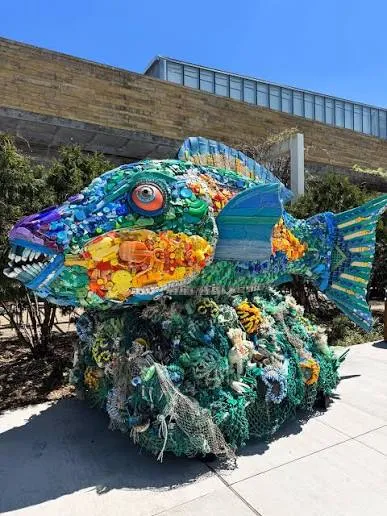

Art does not always begin with a fresh piece of clay, a new sheet of metal, or a perfectly prepared block of stone. Sometimes, the most interesting artwork begins with something that has already had a purpose. An old piece of machinery, a discarded metal component, an agricultural tool, or an industrial fragment can become the starting point for an entirely new creative idea.
Recycled material sculptures demonstrate how artists can look at familiar objects differently. Instead of treating discarded materials as waste, sculptors can explore their shape, texture, history, and character and transform them into expressive three-dimensional artwork. This approach is particularly interesting in contemporary sculpture, where the history of a material can become part of the meaning and personality of the finished piece.
What Are Recycled Material Sculptures?
Recycled material sculptures are three-dimensional artworks created partly or entirely from materials that have been reused, reclaimed, repurposed, or recovered from their original setting. The materials may come from industrial environments, construction sites, farms, machinery, vehicles, workshops, or everyday objects.
The appeal is not simply that an old object is being reused. The artist makes creative decisions about how that object can be transformed. Its original function may disappear completely, or recognizable elements may remain visible as part of the sculpture.
Davingy’s artistic practice provides a strong example of this approach. The artist works with reclaimed industrial, agricultural, and automotive materials, transforming utilitarian objects into expressive contemporary forms. His work explores the history contained within materials while giving familiar objects a new visual identity.
Why Do Artists Use Found and Reclaimed Objects?
Found objects can offer something that newly manufactured materials cannot: history.
A weathered piece of metal may show scratches, rust, dents, worn surfaces, or traces of its previous use. These characteristics can give a sculpture a sense of authenticity and visual depth. Rather than removing every imperfection, an artist may use those marks to strengthen the character of the work.
There is also an element of discovery. When an artist finds an unusual object, its shape can suggest a completely different possibility. A mechanical component might resemble an abstract form, while an old agricultural object could become part of a larger composition.
Davingy describes his work as being influenced by the histories embedded in found materials. His sculptures bring together ideas associated with construction, engineering, industrial materials, and contemporary art.
What Materials Can Be Used?
There is no single material that defines this type of sculpture. Artists can work with whatever reclaimed objects are structurally suitable and creatively interesting.
Metal is particularly useful for large outdoor sculptures because of its strength and ability to be fabricated into different forms. Industrial and agricultural components can also provide unusual shapes that would be difficult to create from scratch.
Other possibilities include old machinery, automotive parts, construction remnants, fiberglass components, rope, plastics, wood, and other discarded materials. The final artwork may combine several materials to create contrast between textures, shapes, colors, and surfaces.
Davingy’s work includes materials such as steel, industrial components, agricultural remnants, automotive forms, fiberglass, and other reclaimed elements. His Orchard of Art in Forestville features more than 50 sculptures integrated into an expansive landscape.
How Does a Found Object Become a Sculpture?
Turning a discarded object into artwork requires much more than simply placing it in a garden or gallery. The artist first needs to recognize its creative potential.
The process may begin with searching for interesting materials. An artist might visit a salvage yard, explore old machinery, or discover discarded objects through previous projects. The shape, scale, condition, and history of each object can influence what happens next.
Once an object has been selected, the artist can experiment with positioning, cutting, welding, assembling, painting, or combining it with other materials. The goal is to create a relationship between the individual components so that they become one cohesive artistic form.
In Davingy’s practice, reclaimed objects are not simply displayed as they were found. They are transformed through fabrication, structural design, color, and composition. This can turn an ordinary industrial object into a bold sculptural statement.
What Makes This Art Form Unique?
One of the most interesting aspects of recycled material sculptures is the contrast between the old purpose of an object and its new purpose as art.
A machine part that was once designed for practical work may become part of an abstract composition. A weathered industrial surface can become an important visual feature. An object associated with agriculture, construction, or transportation can be placed in a completely different environment.
This transformation encourages viewers to look more carefully. Instead of seeing an old object only for what it used to be, they can consider its shape, scale, texture, and relationship with the surrounding environment.
Davingy’s work often embraces this contrast. His sculptures connect industrial heritage with playful, colorful, and contemporary forms, allowing heavy or utilitarian materials to take on a different visual character.
Recycled Sculpture in Outdoor Spaces
Large-scale reclaimed sculpture can be especially effective outdoors. Gardens, farms, sculpture parks, public spaces, and expansive landscapes provide room for monumental forms to interact with their surroundings.
Scale becomes an important part of the experience. A sculpture can appear completely different when viewed from a distance compared with seeing its construction and surface details up close.
Davingy’s Orchard of Art demonstrates how sculpture can become part of a landscape rather than simply sitting inside a conventional gallery. More than 50 works are positioned throughout the property, creating an environment where artwork, nature, architecture, and open space interact with one another.
Outdoor placement also requires careful consideration of structural strength, installation, finishes, and weather exposure. Davingy’s practice includes engineered anchoring and durable finishes for outdoor work, showing that large-scale sculpture requires both artistic vision and technical planning.
The Creative Value of Giving Objects a Second Life
The idea behind recycled material sculptures goes beyond simply reducing waste. It is about changing the way people perceive materials.
An object that appears insignificant when abandoned can become visually powerful when placed in a new context. Its previous life becomes part of its story, while the artist gives it another identity.
This combination of history and imagination is what makes found-object sculpture so engaging. Viewers may recognize a familiar component while simultaneously seeing it as something completely new.
For collectors, designers, landscape professionals, and people interested in contemporary art, these works can provide a distinctive way to bring character into a space. They can feel industrial, playful, abstract, monumental, or even mysterious depending on the artist's approach.
How Davingy Turns Reclaimed Materials Into Art
Davingy’s work demonstrates how reclaimed materials can become the foundation for an individual sculptural language. His practice combines fabrication, engineering, bold color, industrial forms, and found materials to create contemporary sculpture with a strong physical presence.
His collection includes numerous works made using repurposed and reclaimed elements, while pieces such as Blue Slugger demonstrate how an industrial object can be incorporated into a vivid sculptural composition. The work combines a weathered rail track with a bright powder-coated structure, creating a visual contrast between industrial history and contemporary form.
The result is not simply an old object that has been reused. It becomes an artwork with its own identity, scale, color, structure, and relationship to its surroundings.
Conclusion
Recycled material sculptures show that remarkable art can emerge from materials that have already lived another life. Found objects can carry history, texture, imperfections, and unexpected forms that give artists new opportunities for creative expression.
The transformation requires imagination, craftsmanship, fabrication skills, and an understanding of how materials behave. Davingy’s work illustrates this process by turning reclaimed industrial, agricultural, and automotive elements into colorful contemporary sculptures that can exist in galleries, private landscapes, public spaces, and expansive outdoor environments.
If you are interested in discovering how reclaimed materials can be transformed into contemporary sculpture, explore Davingy’s collection and the Orchard of Art to experience these works in their full scale and setting. Whether you are looking for inspiration, considering sculpture for a landscape, or simply interested in the creative possibilities of found objects, Davingy’s work offers a distinctive perspective on giving materials a new artistic life.
























Sign in to leave a comment.