

Art does not always begin with new materials. Sometimes, an old machine part, piece of farm equipment, weathered metal, or discarded industrial component can become the starting point for something completely unexpected. This approach gives artists an opportunity to look at ordinary objects differently and discover artistic possibilities within materials that have already served another purpose.
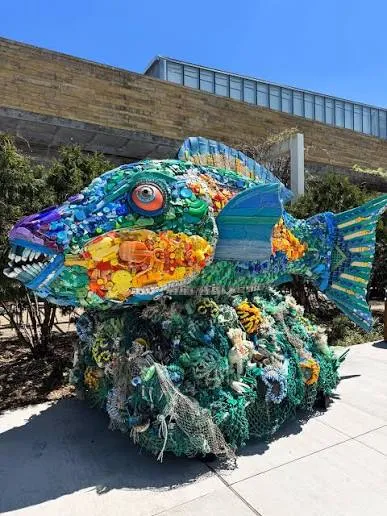
Upcycled sculpture art is a creative practice in which discarded, reclaimed, or previously used materials are transformed into sculptural works. Instead of treating an old object simply as waste, an artist can preserve elements of its original character while changing its form, context, color, or purpose. The result can be a sculpture that combines artistic expression with the history and physical qualities of the materials from which it was created.
For Davingy, this relationship between material and sculpture is an important part of the creative process. His work incorporates reclaimed industrial materials, agricultural equipment, automotive remnants, and other found objects, transforming utilitarian components into expressive contemporary sculptures.
What Is Upcycled Sculpture Art?
Upcycled sculpture art takes the idea of reuse further than simply recycling a material. Recycling generally involves processing an item so that its material can be used again, while upcycling often keeps the original object or components recognizable and gives them a new creative purpose.
An old mechanical component, for example, may have originally been designed for construction, transportation, farming, or manufacturing. Once it becomes part of a sculpture, its function changes completely. Its shape, weight, texture, rust, scratches, and history can all contribute to the visual character of the finished piece.
This makes reclaimed materials particularly interesting for sculpture. They already contain physical evidence of their previous lives. Artists can work with those characteristics rather than hiding them.
Why Do Artists Use Discarded Materials?
Artists may choose discarded materials because they offer unusual shapes, textures, structures, and stories that are difficult to reproduce with newly manufactured materials.
For Davingy, the history contained within materials is part of the attraction. His sculptures have incorporated objects such as farming equipment, transmissions, cider presses, car frames, wood-chipper components, and other industrial remnants. These materials connect the artwork with agriculture, engineering, construction, transportation, and everyday working environments.
The contrast between an object's original purpose and its new artistic role can also create curiosity. A viewer might recognize a familiar mechanical shape without immediately understanding what it has become. That sense of discovery encourages people to look more closely at the sculpture.
How Artists Transform Reclaimed Materials Into Sculpture
Creating a sculpture from discarded materials involves much more than simply placing old objects together. The artist needs to consider proportion, balance, structure, composition, surface, color, and the environment in which the finished piece will exist.
The process can begin with finding an interesting object or collection of materials. Salvage yards, old equipment, farms, workshops, and industrial environments can provide potential sources of inspiration. Once materials are selected, the artist can experiment with different arrangements to discover how individual components interact.
Some objects may remain relatively recognizable, while others can be cut, joined, reinforced, painted, coated, or incorporated into a larger structure. The artist's decisions determine whether the material remains visually connected to its original function or becomes almost completely abstract.
Davingy's practice demonstrates this transformation through large-scale works that combine structural thinking with expressive forms. His background in construction and engineering also informs how he approaches fabrication, installation, and structural integrity.
The Importance of Color, Texture, and Form
Reclaimed materials naturally bring distinctive textures to sculpture. Rust, worn surfaces, dents, scratches, old paint, metal finishes, and signs of use can become part of the visual language of a piece.
Color can then dramatically change how these materials are perceived. A weathered industrial component might look completely different when incorporated into a brightly finished sculpture. Davingy's work frequently combines reclaimed elements with bold colors and strong geometric or organic forms, creating sculptures that can feel both industrial and playful.
Texture also helps communicate the history of a material. Instead of making every surface smooth and uniform, artists can allow evidence of previous use to remain visible. This creates a relationship between the object's past and its new identity as artwork.
From Industrial Objects to Contemporary Sculpture
One of the most fascinating aspects of reclaimed-material sculpture is the way familiar objects can be transformed into contemporary art.
A transmission is normally associated with machinery. A section of an old vehicle suggests transportation. Farming equipment recalls agriculture and manual labor. Once these objects are removed from their original settings, however, their visual characteristics can be reconsidered.
Davingy's work demonstrates this idea through sculptures incorporating industrial and agricultural remnants. At the Davingy Orchard of Art in Forestville, reclaimed materials are integrated throughout the landscape, allowing visitors to experience the relationship between sculpture, nature, architecture, and the surrounding environment.
The artwork therefore becomes more than an arrangement of old objects. It becomes a new visual experience in which material history and artistic imagination meet.
Why Reclaimed Sculpture Feels Different
A newly manufactured material often begins with a clean and predictable appearance. Reclaimed material begins with a history.
That history can give sculpture a sense of character. A weathered surface may suggest years of use. An unusual mechanical shape may remind viewers of a particular industry or period. A discarded object can also create questions: Where did it come from? What was it used for? Why did the artist choose it?
These questions can become part of the viewing experience.
This is one reason reclaimed sculpture can feel personal and unexpected. The viewer is not only looking at the finished form but may also be trying to understand the material's journey from functional object to artwork.
Davingy's Approach to Reclaimed Materials
Davingy's sculptures show how discarded and found materials can become the foundation for large-scale contemporary artwork. His practice is centered on materiality, reinvention, and the expressive potential of objects that might otherwise be overlooked.
His Orchard of Art features more than 50 sculptures throughout its grounds, with works positioned among an orchard and historic farmhouse. The collection demonstrates how sculpture created from reclaimed materials can interact with a natural landscape rather than existing only inside a traditional gallery.
His artwork also includes smaller-scale pieces and larger public installations, showing that the idea of transforming found materials can work across different sizes and environments. His sculpture gallery includes numerous works created from varied materials and approaches.
The Creative Potential of Discarded Materials
The most important idea behind this form of sculpture is that an object's previous purpose does not have to define its future.
A discarded component can become part of a completely new visual language. Industrial materials can become expressive. Agricultural equipment can become sculptural. Mechanical fragments can become abstract forms. Through artistic decisions, objects that once belonged to functional environments can become pieces designed to encourage curiosity, emotion, and conversation.
That transformation is at the heart of upcycled sculpture art. It demonstrates how artists can see possibilities where others may only see discarded objects.
Explore Davingy's Sculptural World
If you are interested in seeing how reclaimed materials can be transformed into bold contemporary sculpture, explore Davingy's collection and discover the stories behind the work. The Davingy Orchard of Art offers an opportunity to experience large-scale sculptures within a distinctive landscape, while the sculpture collection provides a closer look at the range of forms, materials, and ideas developed throughout Davingy's practice.
Explore the artwork, discover the Orchard of Art, and experience how discarded materials can be given a completely new identity through sculpture.
Conclusion
Upcycled sculpture art shows that meaningful artwork can begin with materials that have already been used, forgotten, or discarded. By combining imagination, craftsmanship, engineering, and an understanding of material history, artists can transform functional objects into contemporary sculptures with new meaning and visual character.
Davingy's work provides a distinctive example of this approach, bringing together reclaimed industrial and agricultural materials, bold forms, vibrant finishes, and outdoor environments. His sculptures demonstrate that the past life of a material does not have to disappear. Instead, it can become an important part of the artwork's story.





















Sign in to leave a comment.