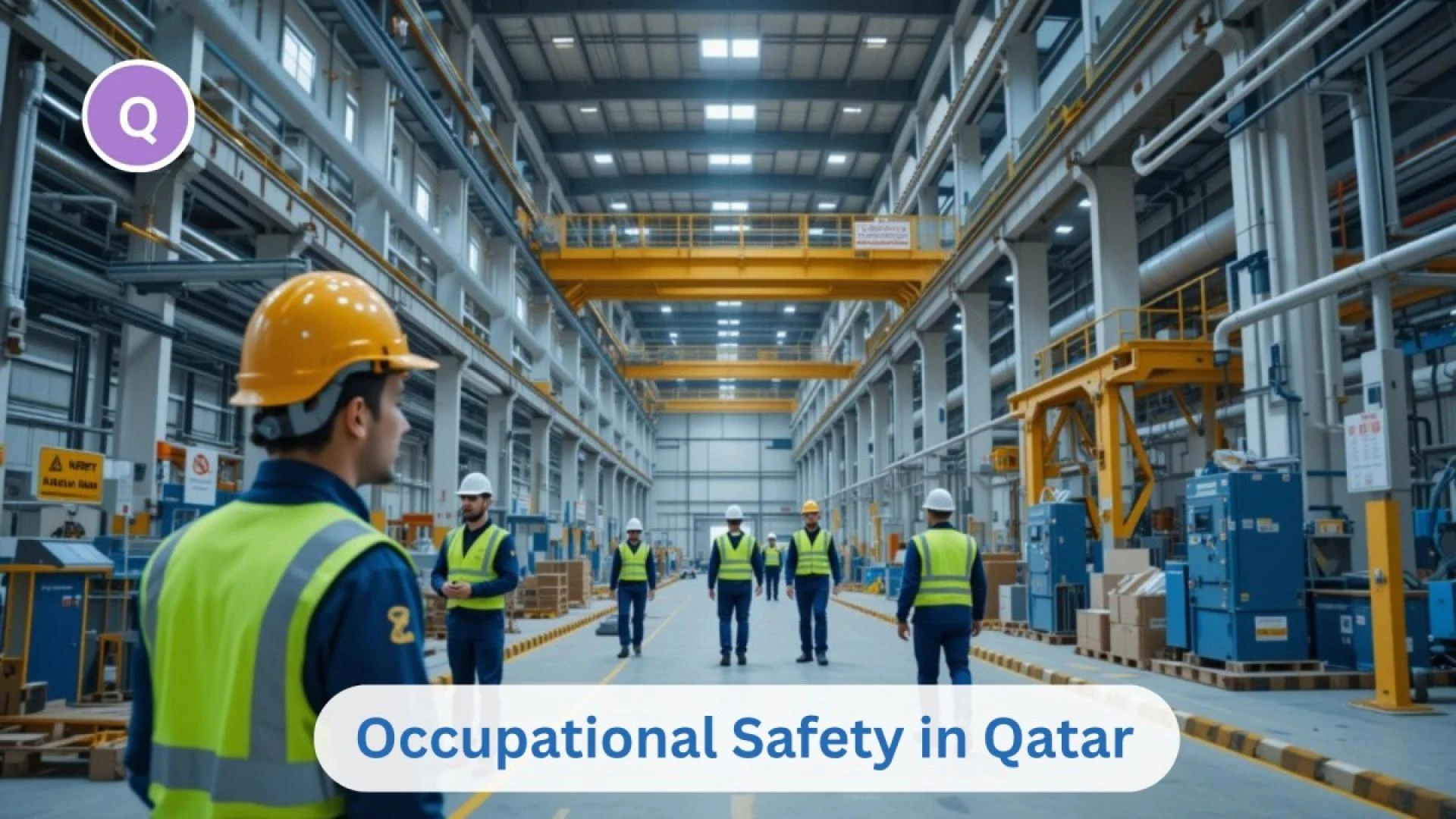

In Qatar’s highly competitive business environment—especially across sectors like construction, oil and gas, logistics, and manufacturing—companies are constantly seeking ways to reduce operational costs without compromising quality or safety. One often-overlooked strategy is the implementation of ISO 45001 Certification, an international standard for occupational health and safety (OH&S) management systems.
But how exactly does ISO 45001 help cut costs? Let's explore the financial benefits and operational efficiencies that this certification can bring to Qatari businesses.
Understanding ISO 45001
ISO 45001 is designed to help organizations create safe workplaces by preventing work-related injuries, illnesses, and fatalities. It replaces older standards like OHSAS 18001 and aligns with other ISO management system standards like ISO 9001 and ISO 14001, making integration easier.
In Qatar—where industries often involve high-risk environments—ISO 45001 is increasingly becoming a requirement, not just an option.
Key Ways ISO 45001 Reduces Operational Costs
1. Minimizing Workplace Incidents and Compensation Claims
By identifying hazards and managing risks proactively, companies can significantly reduce:
- Medical costs from injuries
- Workers’ compensation claims
- Downtime caused by investigations or legal proceedings
Fewer incidents also mean fewer penalties from Qatar’s Ministry of Labour or Civil Defense authorities.
2. Lower Insurance Premiums
Insurance companies recognize ISO 45001-certified businesses as lower-risk clients. As a result:
- Premiums on liability and health insurance can be negotiated at lower rates
- Claims ratios stay low, further improving insurance terms
This adds up to substantial savings over time, especially for large-scale operations in Doha, Ras Laffan, or Mesaieed.
3. Improved Employee Productivity and Morale
A safer work environment leads to:
- Fewer sick leaves
- Higher employee retention
- Increased morale and engagement
Qatari companies, particularly those in industrial zones like Dukhan and Mesaieed, have observed measurable gains in worker output post-certification.
4. Reduction in Legal and Regulatory Fines
ISO 45001 ensures compliance with Qatar’s occupational health and safety laws. By maintaining documentation, conducting audits, and continuously improving systems, businesses can:
- Avoid fines and shutdowns from authorities
- Mitigate legal costs in case of disputes or incidents
5. Streamlined Operational Processes
ISO 45001 requires companies to document, standardize, and optimize safety procedures, which results in:
- Reduced operational errors
- Better use of resources
- Faster incident response and recovery
This contributes to smoother day-to-day operations and long-term cost efficiency.
ISO 45001: A Strategic Investment
Though the initial costs of certification may seem high—especially for small to medium enterprises (SMEs)—the long-term ROI is undeniable. Many Qatari firms have reported noticeable financial savings within 6 to 12 months after certification, largely due to reduced incidents, better employee retention, and regulatory compliance.
Final Thoughts
For businesses in Qatar, ISO 45001 Certification offers more than just a badge of safety—it is a cost-saving mechanism. Whether you're operating in Doha’s construction sites or managing offshore operations in Ras Laffan, adopting this standard is a strategic move toward both operational excellence and financial efficiency.

























Sign in to leave a comment.