

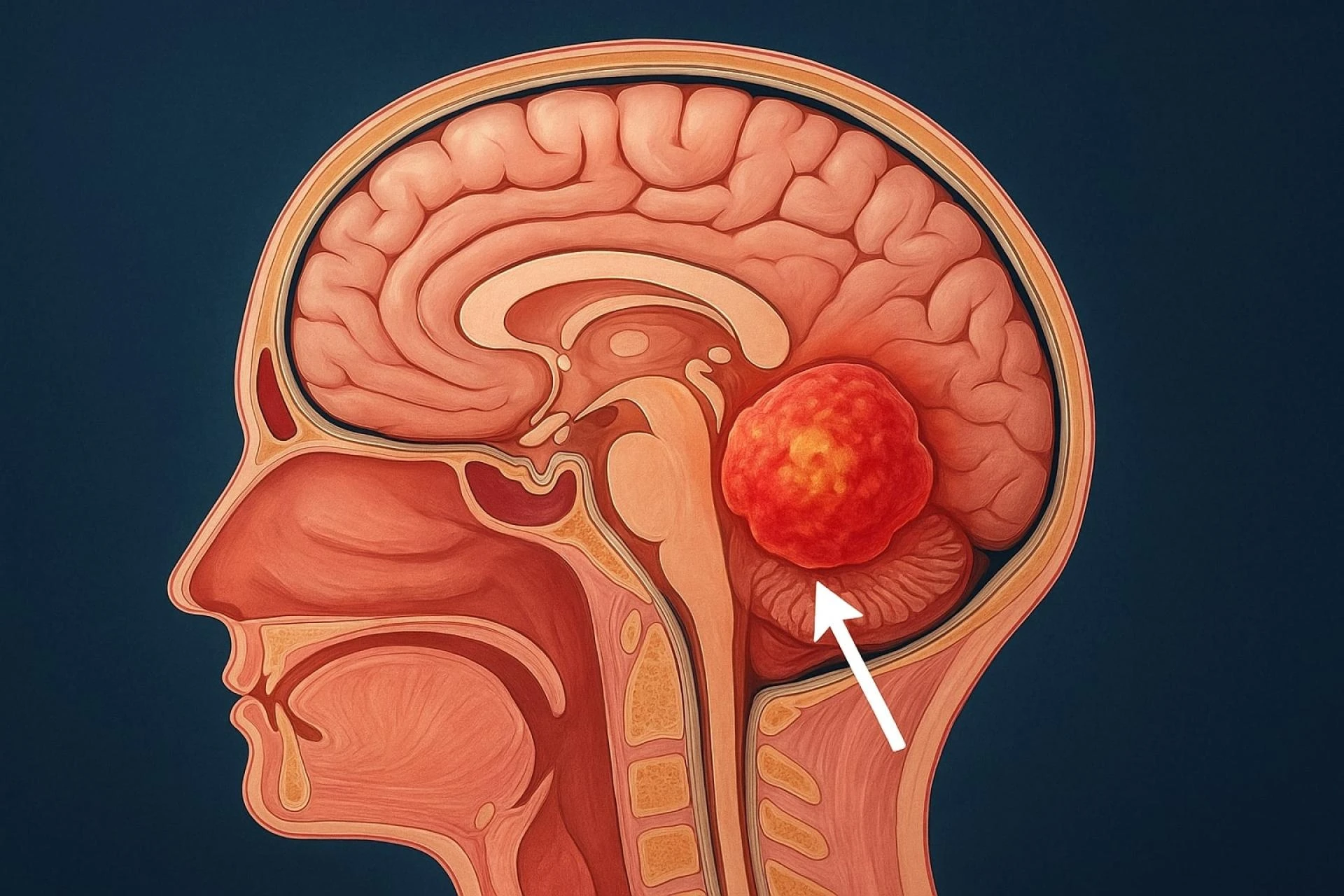
Brain tumor
A brain tumor is one of the most complex and concerning neurological conditions that can affect individuals of any age. It occurs when abnormal cells begin to grow uncontrollably within the brain or its surrounding tissues, disrupting essential functions such as memory, coordination, and speech. While some brain tumors are benign (non-cancerous), others are malignant (cancerous) and can spread aggressively. Although there’s no guaranteed way to completely prevent brain tumors, understanding and reducing risk factors can significantly lower one’s chances of developing them.
In this article, we explore evidence-based strategies for reducing the risk factors of brain tumors, supported by current medical understanding and expert recommendations, while emphasizing how to prevent brain tumors through practical, lifestyle-based choices.
Understanding Brain Tumor Risk Factors
Before learning how to prevent a brain tumor, it’s important to understand what factors may contribute to its development. Some causes are beyond human control, while others are linked to environmental exposure and lifestyle habits.
1. Genetic Predisposition
Certain inherited genetic syndromes such as Li-Fraumeni syndrome, Neurofibromatosis, and Von Hippel-Lindau disease increase the risk of developing brain tumors. Individuals with a family history of these disorders should undergo regular checkups and genetic counseling.
2. Radiation Exposure
Exposure to ionizing radiation, especially high-dose radiation used in previous cancer treatments, has been linked to a higher risk of brain tumors. People who have undergone head radiation for childhood cancers are particularly susceptible.
3. Environmental Factors
Although research is ongoing, prolonged exposure to harmful chemicals, pesticides, and industrial pollutants may slightly elevate the risk. It’s crucial to take precautions when working in such environments.
4. Age and Gender
Brain tumors can occur at any age but are more common in older adults. Some types are also more prevalent in males than females, though the exact cause remains unclear.
5. Lifestyle and Health Conditions
While not all lifestyle factors directly cause brain tumors, poor diet, lack of exercise, smoking, and alcohol abuse can weaken the immune system, indirectly increasing the risk of abnormal cell growth.

How to Prevent Brain Tumor: Evidence-Based Strategies
Even though no method can ensure absolute prevention, adopting healthier choices can significantly reduce modifiable risks. Here’s how to proactively protect your brain health:
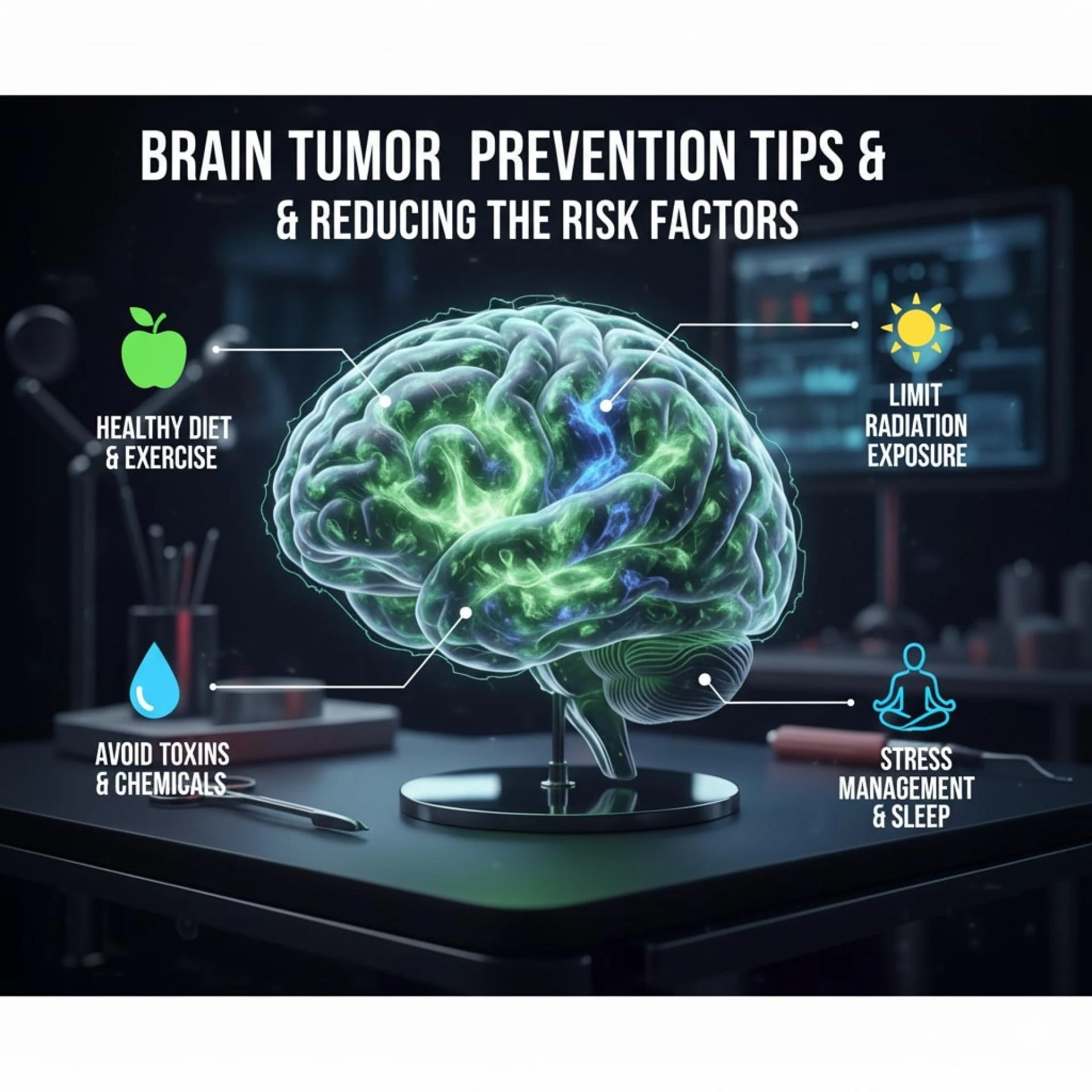
1. Limit Exposure to Radiation
Unnecessary exposure to medical radiation, such as frequent CT scans or X-rays, should be minimized. Always discuss with your doctor whether alternative imaging methods like MRI or ultrasound could be used.
If you work in a high-radiation environment, wear protective gear and adhere strictly to safety protocols.
Expert Tip:
The World Health Organization (WHO) recommends limiting occupational exposure to radiation and ensuring medical scans are performed only when medically necessary.
2. Maintain a Nutrient-Rich Diet
A balanced diet plays a crucial role in supporting brain health and preventing cellular damage. Incorporate foods high in antioxidants, such as berries, spinach, broccoli, and green tea, as these help neutralize free radicals that can damage brain cells.
Include omega-3 fatty acids (found in salmon, flaxseeds, and walnuts) to support neuronal function, and avoid processed or red meats, which have been linked to increased cancer risks.
Key Nutrients for Brain Protection:
- Vitamin E: Found in almonds, avocados, and sunflower seeds
- Vitamin C: Found in citrus fruits and bell peppers
- Selenium: Found in Brazil nuts and whole grains
3. Avoid Tobacco and Limit Alcohol
Cigarette smoke contains carcinogenic compounds that can damage DNA and increase cancer risk, including brain tumors. Similarly, excessive alcohol consumption can lead to systemic inflammation, which may contribute to cancerous growth over time.
Quitting smoking and moderating alcohol intake are among the most effective preventive steps for overall cancer prevention, including brain tumors.
4. Reduce Exposure to Environmental Toxins
Avoid prolonged exposure to industrial chemicals, pesticides, and solvents. Always use protective masks, gloves, and ventilation when working around potentially harmful substances.
Recent studies have suggested that certain occupational exposures (like in agriculture, chemical plants, or rubber manufacturing) may slightly increase the risk of gliomas and meningiomas.
5. Maintain Healthy Body Weight
Obesity has been associated with various types of cancers due to increased inflammation and hormonal imbalance. Maintaining a healthy body weight through regular exercise and balanced nutrition can reduce systemic risks and support immune function, indirectly preventing tumor formation.
6. Manage Stress and Get Adequate Sleep
Chronic stress and poor sleep can weaken the immune system, impair DNA repair, and increase inflammation—all factors that can contribute to tumor growth.
Practicing mindfulness, yoga, meditation, or even simple breathing exercises can significantly reduce stress hormone levels and improve brain health.
Aim for 7–8 hours of quality sleep per night to allow your brain to detoxify and repair.
7. Stay Physically Active
Regular physical activity improves blood circulation, supports oxygen delivery to the brain, and helps eliminate toxins. Exercise also reduces the risk of obesity and strengthens the immune system.
Experts recommend at least 150 minutes of moderate-intensity exercise per week, such as brisk walking, cycling, or swimming.
8. Use Mobile Phones Wisely
Although current evidence does not conclusively link mobile phone use to brain cancer, some studies suggest limiting exposure to radiofrequency radiation may be beneficial. Use hands-free devices or speaker mode during long calls and avoid keeping the phone directly against your ear for extended periods.
9. Schedule Regular Medical Checkups
Early detection plays a vital role in improving brain tumor outcomes. Individuals with a family history or genetic predisposition should undergo periodic brain scans or neurological assessments.
If you experience persistent headaches, vision problems, or unexplained nausea, seek medical attention promptly.
10. Strengthen Your Immune System
A robust immune system can detect and destroy abnormal cells before they develop into tumors. To strengthen your immunity:
- Consume a balanced diet rich in fruits and vegetables.
- Stay physically active.
- Avoid chronic stress and ensure adequate rest.
- Take vaccinations as recommended.
For Comprehensive Prevention Tips For Brain Tumor You Must Visit A Detailed Article On : How To Prevent Brain Tumor
Importance of Awareness and Early Detection
While prevention focuses on reducing risks, awareness ensures timely diagnosis. Recognizing early symptoms such as persistent headaches, vision issues, balance problems, or unexplained fatigue can help in early medical intervention.
Medical experts emphasize that when brain tumors are detected early, treatment outcomes are significantly better. Modern diagnostic imaging and targeted therapies have improved survival rates and quality of life.
Scientific Insights on Prevention
Recent research highlights the importance of lifestyle in reducing brain cancer risk. A large study published in the Journal of Neuro-Oncology found that individuals following a plant-based diet and maintaining low exposure to toxins had a lower incidence of brain tumors.
Moreover, maintaining cardiovascular health through regular exercise and a healthy diet also supports better brain health, as both the brain and heart rely on efficient blood flow and oxygenation.
Conclusion
While brain tumors cannot always be prevented due to factors like genetics and aging, individuals can take several proactive steps to minimize their risk.
By reducing exposure to radiation and toxins, maintaining a healthy diet and lifestyle, and prioritizing regular medical checkups, one can significantly strengthen their brain’s defenses.
Understanding how to prevent brain tumor is not just about avoiding risks, it’s about building lifelong habits that protect overall neurological health. Through education, awareness, and preventive action, we can make meaningful progress in reducing the global burden of brain tumors.





























Sign in to leave a comment.