

Laser eye surgery has helped millions of people enjoy clearer vision without depending on glasses or contact lenses.
Procedures such as LASIK, PRK, and SMILE continue to evolve with improved technology and greater precision.
While most patients focus on achieving better daytime vision, many also have important questions about seeing clearly after sunset. Night driving, reading signs in low light, and dealing with bright headlights are common concerns before surgery.
The good news is that modern laser eye surgery produces excellent visual outcomes for most suitable candidates.
At the same time, it is important to understand that recovery is a process. Some temporary changes in night vision are normal, and knowing what to expect can help patients feel more confident before treatment.
Why Night Vision Matters
Night vision plays an important role in everyday life. Whether commuting home from work, driving on highways, or walking outside after dark, good visual quality improves both safety and comfort.
Low-light conditions naturally make the eyes work harder. The pupils become larger, allowing more light into the eye. If the visual system is still healing after surgery, patients may notice temporary changes that are less obvious during daylight hours.
Understanding these normal healing patterns helps patients separate expected recovery from uncommon complications.
How Laser Eye Surgery Affects Vision
Laser vision correction reshapes the cornea to improve how light focuses on the retina. The goal is to reduce or eliminate refractive errors such as nearsightedness, farsightedness, and astigmatism.
Immediately after surgery, the eye begins healing. During this period, vision may fluctuate as the corneal surface stabilizes. Most patients experience steady improvement during the first several weeks, although complete healing may continue for several months depending on the procedure.
Temporary visual effects are a normal part of this process.
What Patients Commonly Notice at Night
Many individuals researching night vision after laser eye surgery wonder whether they will experience glare, halos, or starbursts around lights.
These symptoms are relatively common during the early healing period and usually become less noticeable as recovery progresses.
Some patients describe headlights appearing brighter than usual. Others notice rings around streetlights or mild difficulty judging contrast in dim environments. Dry eyes during recovery may also temporarily affect visual clarity, particularly late in the day.
Fortunately, advances in laser technology, improved surgical planning, and careful patient selection have significantly reduced the frequency and severity of these symptoms compared with earlier generations of laser procedures.
Why Glare and Halos Occur
Glare and halos typically develop because the cornea is still adapting after surgery. Healing tissue, temporary dryness, and changes in pupil size during low-light conditions can all contribute to these visual effects.
Modern diagnostic equipment allows surgeons to create highly personalized treatment plans that minimize these issues whenever possible. Patients with large pupils, higher prescriptions, or existing visual abnormalities may require additional evaluation before surgery.
Managing expectations is also important. While many patients notice little or no nighttime disturbance, others may experience temporary symptoms that gradually improve over time.
Supporting Better Night Vision During Recovery
Patients interested in reducing glare and halos after vision correction can benefit from following their surgeon's postoperative instructions carefully.
Using prescribed eye drops, protecting the eyes from excessive dryness, and attending scheduled follow-up visits all contribute to healthy healing.
Artificial tears often improve visual quality by maintaining a smooth tear film across the corneal surface. Limiting nighttime driving during the earliest recovery period may also provide additional comfort until vision stabilizes.
Healthy sleep, proper hydration, and avoiding eye rubbing further support the healing process.
Most patients notice progressive improvement over the first few weeks as the eyes continue recovering.
Individual Healing Is Different
Every person's eyes heal at their own pace. Factors such as age, overall health, tear quality, prescription strength, and the specific procedure performed all influence recovery.
LASIK patients often experience rapid visual improvement within one or two days. PRK patients usually require more time because the outer layer of the cornea must regenerate before vision fully stabilizes. SMILE recovery typically falls somewhere between these experiences.
Your surgeon will explain what timeline is most appropriate based on your treatment plan.
Patience is an important part of successful recovery.
Choosing the Right Procedure
Not every patient is an ideal candidate for every form of laser vision correction. Comprehensive evaluations help determine which procedure offers the best balance of safety, visual quality, and long-term satisfaction.
During consultation, surgeons assess corneal thickness, pupil size, tear film quality, refractive error, and overall eye health before recommending treatment. Lifestyle, occupation, and personal expectations also play important roles in selecting the most appropriate procedure.
Patients who spend time making informed decisions before eye surgery often feel more confident because they understand both the benefits and the temporary aspects of recovery.
Education helps patients prepare for realistic outcomes rather than expecting immediate perfection.
Modern Technology Continues Improving Results
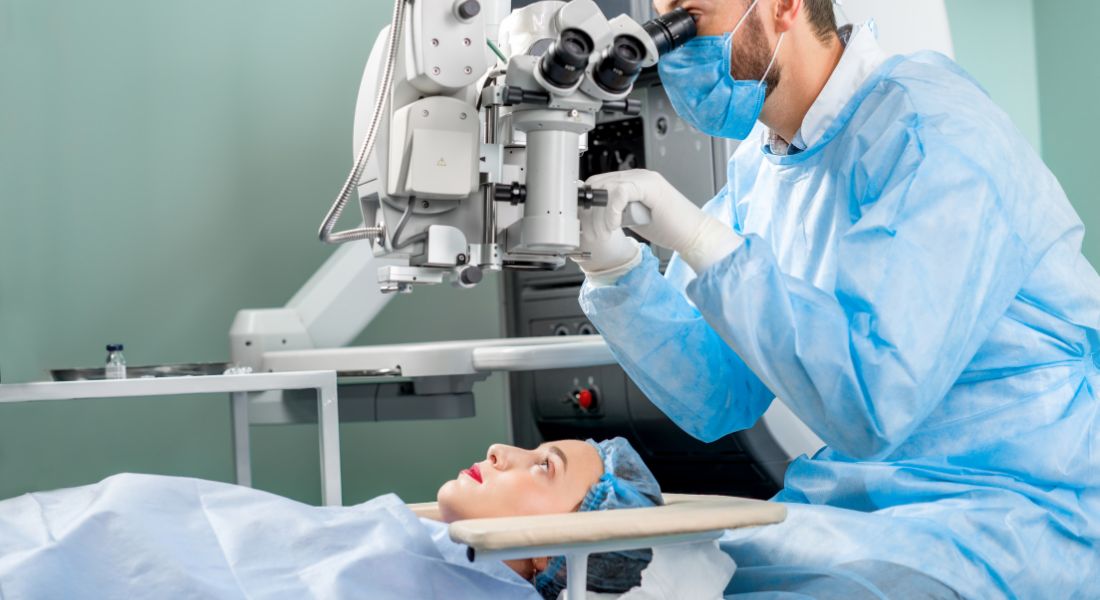
Laser eye surgery has changed significantly over the past two decades. Today's procedures benefit from sophisticated imaging systems, wavefront-guided treatment planning, femtosecond laser technology, and highly accurate eye tracking.
These advancements allow surgeons to create customized treatment plans that improve precision while preserving healthy corneal tissue.
As technology continues evolving, researchers expect further improvements in visual quality, recovery speed, and nighttime performance for future patients.
Maintaining Healthy Eyes After Surgery
Long-term success depends on more than the procedure itself. Regular eye examinations remain important even after excellent surgical outcomes.
Routine checkups allow eye care professionals to monitor overall eye health, detect unrelated conditions such as glaucoma or cataracts, and address dry eye symptoms if they develop.
Patients should also maintain healthy habits, including protecting their eyes from excessive ultraviolet exposure, staying hydrated, and following recommended screen-use practices.
Healthy eyes support lasting visual quality throughout life.
Conclusion
Night vision is an important part of daily life, and it is natural for patients to have questions before laser eye surgery.
While temporary glare, halos, or mild visual fluctuations may occur during healing, these symptoms often improve as the eyes recover.
Advances in surgical technology, personalized treatment planning, and comprehensive patient evaluations have made modern laser vision correction safer and more precise than ever before.
By understanding the normal recovery process, following postoperative instructions, and maintaining realistic expectations, patients can approach surgery with confidence and enjoy the long-term benefits of clearer vision both during the day and after dark.





























Sign in to leave a comment.