

Choosing an eye clinic is no longer just about finding a place that offers vision correction procedures. Today's patients have higher expectations.
They want expert care, advanced technology, transparent communication, and an experience that makes them feel confident from consultation through recovery.
The eye care industry has changed significantly over the past decade. Innovations in diagnostics, laser technology, lens implants, and patient education have transformed how clinics operate.
As a result, patients now evaluate eye clinics based on a wider range of factors than ever before.
Understanding what matters most to modern patients can help explain why some clinics consistently earn trust and positive outcomes while others struggle to stand out.

Expertise Remains the Foundation
No matter how advanced technology becomes, clinical expertise remains one of the most important factors in eye care.
Patients want to know that their surgeon has extensive experience, strong credentials, and a proven track record.
Vision correction procedures require precision and careful planning. Even the most sophisticated technology depends on the judgment and skill of the professionals using it.
When patients research what defines a great eye clinic in 2026, they often place surgeon expertise near the top of their list. Clinics that invest in continuing education, advanced training, and evidence-based care tend to inspire greater confidence.
Expert guidance helps patients navigate complex treatment decisions and achieve outcomes that align with their goals.
Technology Matters More Than Ever
Modern patients are increasingly informed about available treatment options. Many arrive at consultations with questions about laser platforms, diagnostic equipment, and lens technologies.
Advanced technology plays an important role in improving accuracy, safety, and personalization. High-resolution imaging systems allow clinicians to gather detailed information about the eye before recommending treatment.
Patients appreciate clinics that adopt technologies designed to improve both outcomes and comfort. However, technology alone is not enough. The best clinics combine innovation with personalized care and clear communication.
This balance helps patients understand not only what technology is being used but also why it matters.
Transparency Builds Trust
One of the most common concerns among patients involves understanding the full scope of treatment costs and expectations. Transparent communication has become a major factor when evaluating eye care providers.
Patients want clear explanations about procedures, recovery timelines, risks, benefits, and financial considerations. Unexpected expenses or unclear information can quickly undermine trust.
Many individuals researching hidden costs and quality of life factors in vision care are looking beyond the initial price of treatment. They want to understand long-term value, maintenance requirements, and how vision correction may affect their daily lives.
Clinics that address these questions openly often create stronger relationships with patients and improve overall satisfaction.
Personalized Care Is a Growing Priority
Modern healthcare is moving toward personalization, and eye care is no exception. Patients increasingly expect treatment plans that reflect their unique vision needs, lifestyle, and goals.
A professional driver may prioritize excellent night vision, while someone who spends long hours reading may have different priorities. Personalized consultations help identify these preferences and shape treatment recommendations.
The ability to tailor care to individual circumstances has become a defining characteristic of leading clinics. Patients want to feel that their concerns are heard and that recommendations are based on their specific needs rather than a standardized approach.
This patient-centered philosophy contributes to better experiences and more meaningful outcomes.
The Rise of Interactive Vision Planning
One of the most exciting developments in modern eye care is the growing use of adjustable and customizable technologies. Patients increasingly want opportunities to participate in the decision-making process.
Interest continues to grow in concepts such as test driving your sight with light adjustable lenses because they represent a more personalized approach to vision correction. Instead of relying solely on predictions made before surgery, certain advanced technologies allow visual outcomes to be refined after treatment.
This flexibility appeals to patients who value greater control and customization. It also reflects a broader trend toward empowering individuals throughout their healthcare journey.
As these technologies become more widely available, they are likely to influence patient expectations across the industry.
Communication Is Part of Quality Care
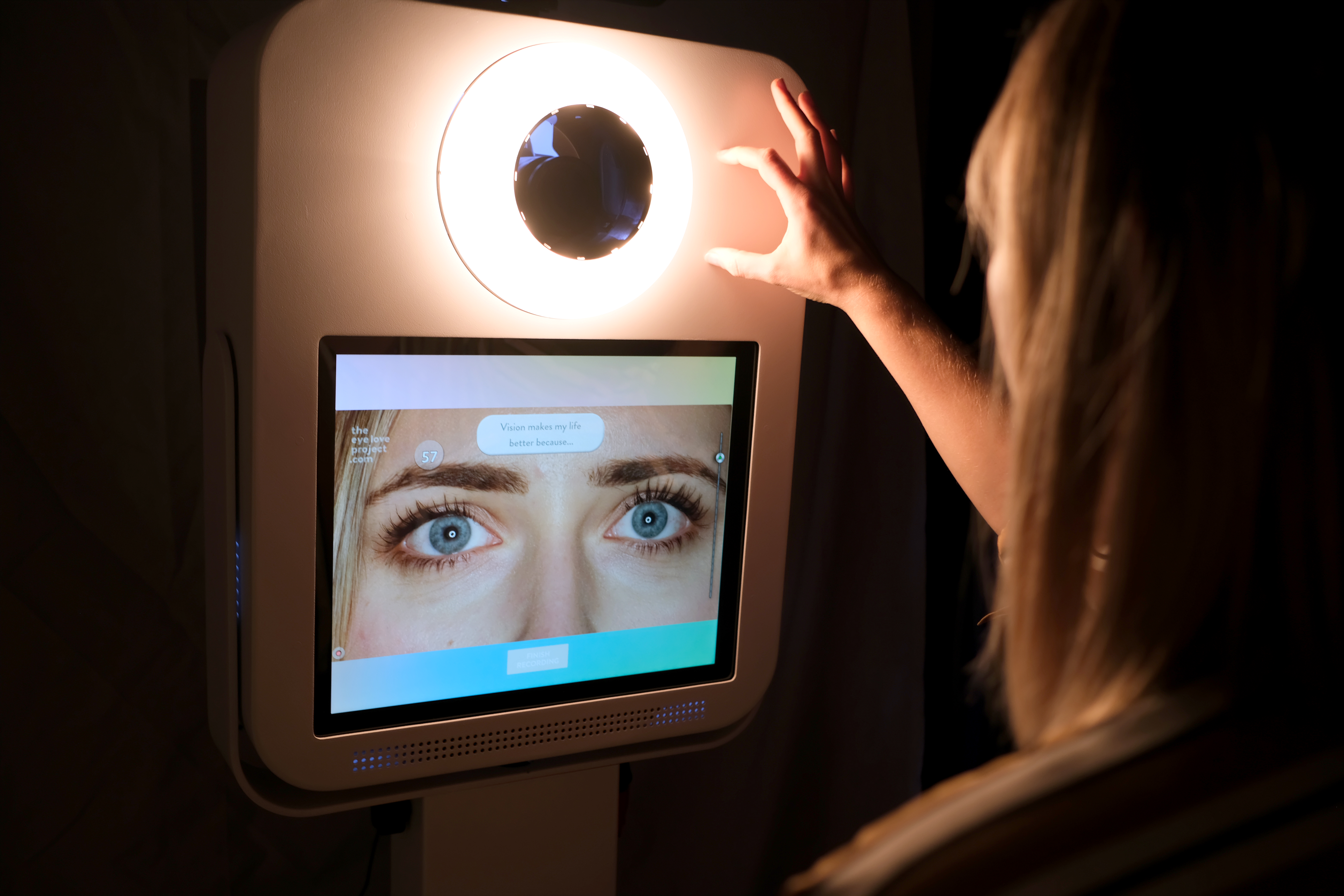
Excellent communication often separates exceptional clinics from average ones. Patients value providers who explain procedures clearly, answer questions thoroughly, and provide ongoing support throughout treatment.
Effective communication reduces anxiety and helps patients feel informed at every stage of the process. It also contributes to realistic expectations, which are strongly linked to satisfaction after surgery.
Educational resources, digital tools, and follow-up support have become important components of the modern patient experience.
When patients feel informed, they are more likely to approach treatment with confidence.
Convenience and Accessibility Matter
Busy lifestyles have changed what patients expect from healthcare providers. Flexible scheduling, streamlined consultations, and efficient communication systems are increasingly important.
Patients appreciate clinics that respect their time while maintaining high standards of care. Online scheduling, digital forms, and virtual educational resources can improve convenience without compromising quality.
Accessibility also extends to location, parking, transportation, and appointment availability. These practical considerations may influence clinic selection just as much as clinical factors.
Convenience has become an important part of the overall patient experience.
Long-Term Relationships Over One-Time Procedures
Many patients no longer view eye care as a single transaction. Instead, they seek long-term relationships with providers who can support their vision health over time.
Routine eye examinations, ongoing monitoring, and future treatment options all contribute to lasting partnerships between patients and clinics.
Providers that emphasize continuity of care often earn stronger loyalty and trust. Patients appreciate knowing they have a reliable resource for future eye health needs.
This long-term perspective benefits both patients and providers.
Conclusion
The modern eye clinic is evaluated on far more than surgical outcomes alone. Patients today value expertise, advanced technology, transparency, personalized care, communication, and convenience.
As eye care continues to evolve, clinics that prioritize these qualities are best positioned to meet growing expectations. By combining innovation with patient-centered care, leading providers can create experiences that improve both vision and overall quality of life.
For patients seeking vision correction, understanding these priorities can make it easier to identify clinics that truly deliver exceptional care and lasting value.



























Sign in to leave a comment.