
Maintaining a bright and healthy smile goes beyond daily brushing and flossing. Certain habits, foods, and drinks can leave stubborn stains on teeth that traditional cleaning may not fully remove. This is where airflow stain removal comes into play. It is a gentle yet effective dental cleaning method that restores your teeth’s natural brightness without causing damage.
Unlike conventional polishing, it reaches areas between teeth and along the gum line where plaque and stains often accumulate. Regular sessions can also help prevent the build-up of tartar and improve overall gum health.
Stain Removal with Airflow Technology
Airflow stain removal is a modern dental technique that uses a stream of air, water, and fine powder to remove plaque, biofilm, and surface stains from teeth. Unlike traditional polishing methods, it can reach areas that are difficult to clean with standard tools.
The process is comfortable and quick. Most patients describe it as a light, tickling sensation rather than discomfort. It is suitable for adults and teenagers and is often incorporated into routine dental hygiene appointments.
How Does It Work?
The system works by propelling a mixture of compressed air, water, and a very fine cleaning powder against the tooth surfaces. This combination gently lifts stains and plaque.
The powder is usually sodium bicarbonate or glycine-based. It is safe for enamel and dental restorations, such as fillings, crowns, and veneers. The airflow and powder remove pigment deposits left by coffee, tea, red wine, and smoking.
The result is a smoother tooth surface and a brighter, cleaner smile. Unlike traditional scraping, airflow stain removal minimises abrasion and preserves the enamel.
Common Stains Treated
Certain foods, drinks, and habits are the main culprits for tooth discolouration. Airflow stain removal effectively targets:
- Coffee and tea stains
- Red wine or dark-coloured drinks
- Nicotine deposits from smoking or vaping
- Coloured foods like berries, curry, or sauces
It is important to note that the removal works primarily on surface stains. Deep intrinsic stains or discolouration caused by medication may require additional cosmetic treatment.
Advantages Over Traditional Cleaning
Airflow stain removal offers several benefits compared to conventional cleaning methods:
- Comprehensive stain removal: It reaches between teeth and along the gum line where toothbrushes or standard polishing may not fully clean.
- Comfortable experience: The technique is gentle, reducing sensitivity or discomfort.
- Time efficiency: Sessions are usually quicker, often completed within 20–30 minutes.
- Safe for restorations: The method avoids damaging veneers, crowns, or composite fillings.
- Promotes oral health: By removing biofilm, it reduces bacteria that contribute to gum disease and decay.
These advantages make the removal an appealing option for people seeking both cosmetic and hygienic benefits.
Who Can Benefit?
Airflow stain removal is suitable for most people. Those who frequently consume staining beverages, smokers, or anyone preparing for a special occasion often seek it.
Dental professionals can adjust the technique for sensitive teeth or patients with dental restorations. It is generally safe for routine maintenance, often performed alongside standard check-ups.
Procedure and Experience
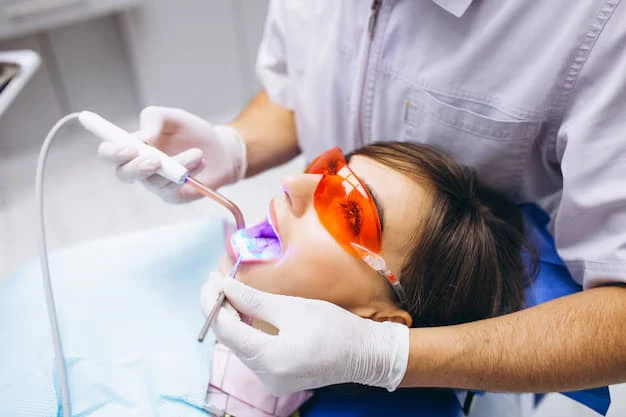
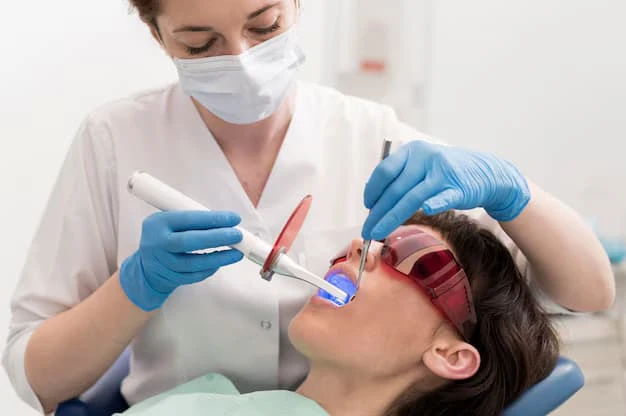
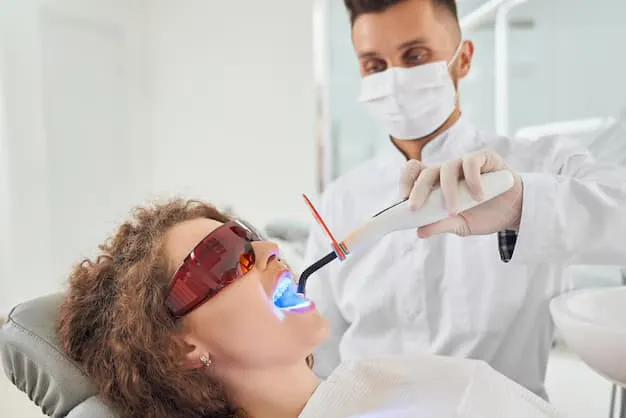
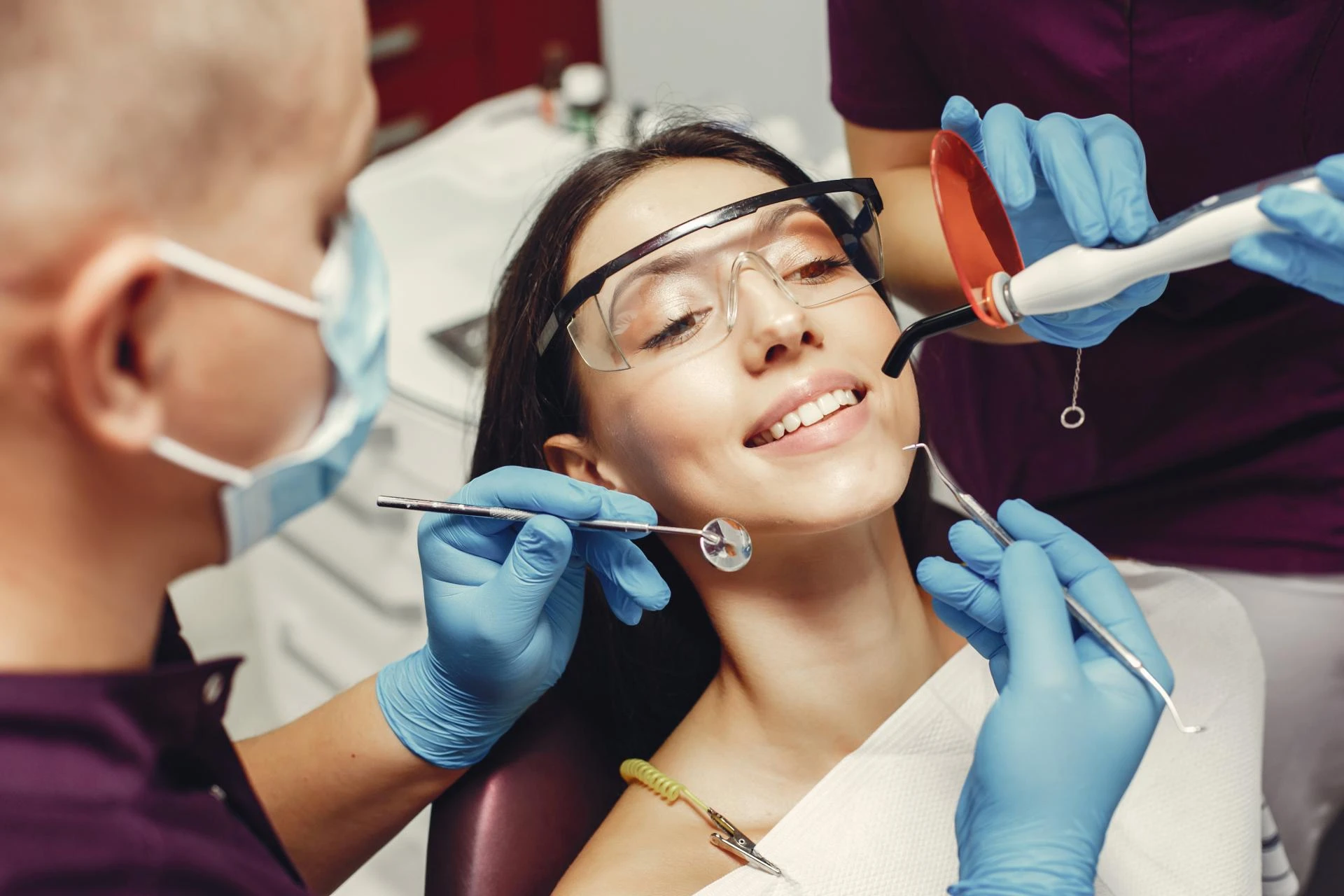
The procedure is simple and non-invasive. After a brief oral examination, the dental hygienist or dentist directs the airflow device across the teeth.
Patients typically feel a light mist and gentle pressure. There is minimal discomfort, and most describe it as refreshing. After the session, teeth feel smooth, polished, and free from surface plaque.
No anaesthesia is needed, and most people resume normal activities immediately.
Frequency of Treatment
How often someone needs airflow stain removal depends on lifestyle habits and personal goals. For regular maintenance, a session every three to six months is commonly recommended.
People with heavy tea, coffee, or tobacco use may benefit from more frequent sessions. The method is safe for repeated use because it is gentle on enamel and restorations.
Complementary Oral Care Tips
Airflow stain removal works best when combined with good oral hygiene at home. Consider the following tips:
- Brush twice daily with fluoride toothpaste.
- Floss or use interdental brushes to clean between teeth.
- Limit highly pigmented foods and drinks or rinse after consumption.
- Attend regular dental check-ups to monitor oral health.
This combined approach maximises the longevity of your bright smile and supports gum health.
Possible Considerations
While generally safe, there are a few points to consider:
- Airflow stain removal is not a replacement for full dental care. Routine check-ups and fillings are still essential.
- Individuals with severe gum disease or exposed dentin should discuss treatment options with their dentist.
- The procedure is designed for surface stains and may not completely remove deep or intrinsic discolouration.
Conclusion
Airflow stain removal is an effective, gentle way to restore teeth to a brighter, cleaner state. It combines modern technology with a safe, comfortable approach suitable for a wide range of patients.
By incorporating this treatment into regular dental care, individuals can maintain a polished smile, reduce bacterial buildup, and enjoy the aesthetic benefits of stain-free teeth. Pairing it with daily oral hygiene and lifestyle awareness ensures long-lasting results.
For anyone seeking a refreshed smile without invasive procedures, removal offers a practical and reliable solution.



























Sign in to leave a comment.