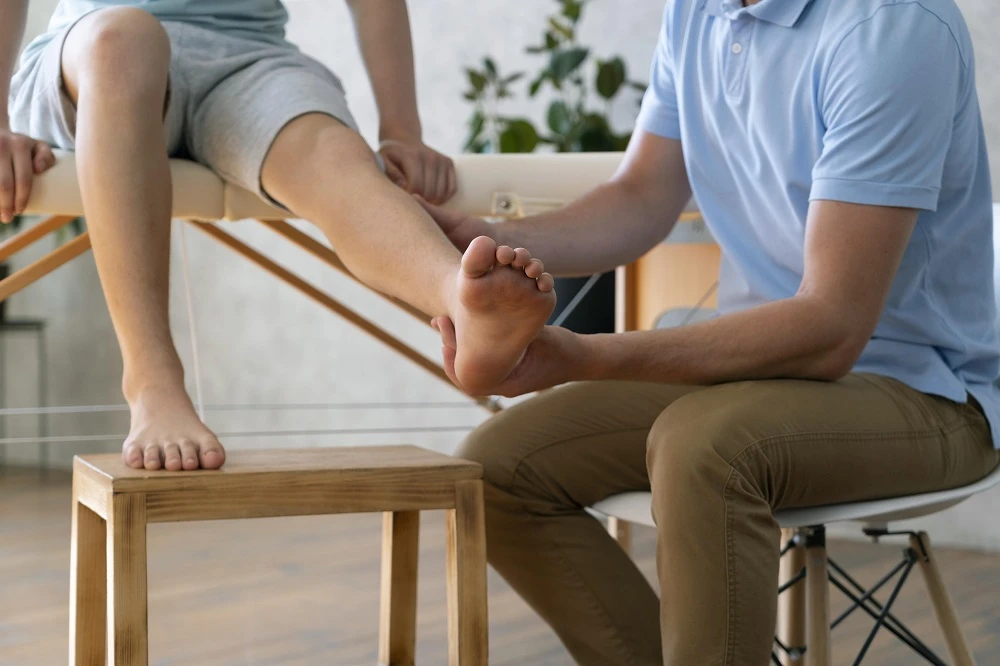

Small fiber neuropathy (SFN) is a painful condition caused by damage to the small sensory nerve fibers responsible for temperature, touch, and pain sensation. People often experience burning, stabbing pain, tingling, numbness, and sensitivity to heat or cold. Traditional medications can help reduce symptoms, but they rarely repair the damaged nerves themselves—this is where regenerative treatments come into focus.
In recent years, advancements in medical science have introduced powerful regenerative options aimed at repairing nerve damage, not just masking symptoms. But how effective are these cutting-edge therapies? This comprehensive guide explores the growing world of regenerative small fiber neuropathy treatment and whether they truly offer long-term relief.
What Is Regenerative Medicine?
Regenerative medicine focuses on repairing or replacing damaged tissues using natural healing mechanisms. For SFN, the goal is to restore healthy nerve function by stimulating nerve growth, reducing inflammation, and improving blood supply.
Unlike pain medications that offer temporary relief, regenerative therapies aim to provide long-term or permanent improvement by treating the root cause of nerve damage.
Top Regenerative Treatments for Small Fiber Neuropathy
Below are the most promising regenerative options being studied and applied in clinical practice.
1. Platelet-Rich Plasma (PRP) Therapy
PRP uses a patient's own blood, which is processed to concentrate platelets rich in growth factors.
How PRP Helps Nerve Regeneration
- Stimulates growth of new nerve fibers
- Reduces inflammation
- Improves blood flow
- Repairs damaged tissue
Evidence of Effectiveness
Studies show PRP can improve nerve function, reduce tingling and burning sensations, and promote long-term healing in peripheral neuropathy patients. Early results for SFN are highly promising, especially in cases caused by injury, diabetes, or inflammation.
2. Stem Cell Therapy
Stem cells have the unique ability to transform into various cell types, including nerve cells.
Types of Stem Cells Used:
- Mesenchymal stem cells (from fat or bone marrow)
- Umbilical cord stem cells
- Amniotic stem cells
How Stem Cells Help:
- Regenerate damaged small nerve fibers
- Reduce inflammation and oxidative stress
- Improve microcirculation
- Restore nerve signaling
Effectiveness
Research suggests stem cell therapy may reverse neuropathy symptoms, especially in diabetic and autoimmune-related cases. However, results vary, and more clinical trials are ongoing.
3. Nerve Growth Factor (NGF) Therapy
Nerve Growth Factor is a protein essential for nerve maintenance and survival.
How NGF Therapy Works:
- Protects nerves from further damage
- Stimulates nerve fiber regeneration
- Enhances nerve communication
Current Research
NGF therapy is showing positive results in early-stage clinical studies for neuropathic pain, making it a potential future small fiber neuropathy treatment.
4. Low-Level Laser Therapy (LLLT)
Also known as cold laser therapy, LLLT uses specific wavelengths of light to stimulate nerve repair.
Benefits:
- Reduces inflammation
- Increases cellular energy (ATP production)
- Enhances tissue healing
- Promotes nerve fiber regeneration
Effectiveness
Numerous studies show LLLT significantly reduces neuropathic pain and improves nerve conduction, making it one of the most accessible regenerative treatments available today.
5. Hyperbaric Oxygen Therapy (HBOT)
HBOT involves inhaling pure oxygen in a pressurized chamber.
How HBOT Helps Nerves Regenerate:
- Boosts oxygen delivery to damaged tissues
- Stimulates stem cell release
- Reduces inflammation
- Accelerates healing
Effectiveness
HBOT has shown promising results in treating neuropathy caused by diabetes, injuries, and infections. For SFN specifically, many patients report decreased pain and improved sensation.
6. Peptide Therapy
Peptides like BPC-157 and Thymosin Beta-4 are gaining attention for their regenerative capabilities.
How They Help:
- Enhance nerve regeneration
- Reduce inflammation
- Improve blood flow
- Support cellular repair
Peptide therapy is still being researched but shows significant potential.
7. Ozone Therapy
Ozone therapy introduces medical-grade ozone into the body to promote healing.
Benefits:
- Strong anti-inflammatory effect
- Improves cellular oxygen utilization
- Reduces oxidative stress
- Stimulates tissue regeneration
Several clinics use ozone injections or ozone IVs for neuropathy with encouraging results.
Are Regenerative Treatments Effective for Small Fiber Neuropathy?
The short answer: Yes, but outcomes vary.
Effectiveness depends on factors such as:
- Underlying cause of neuropathy
- Severity of nerve damage
- Patient age and overall health
- Number of treatment sessions
- Combination with other therapies
What Studies Show:
- PRP and stem cells show high success in improving nerve function.
- LLLT provides measurable pain relief and nerve regeneration.
- HBOT and peptide therapy reduce inflammation and enhance healing.
- NGF therapy is promising but still under research.
Although more clinical trials are needed, regenerative therapies often lead to significant improvement—sometimes even nerve fiber regrowth, which traditional medication cannot achieve.
Who Benefits Most from Regenerative Therapies?
Best candidates include individuals with:
- Diabetic small fiber neuropathy
- Autoimmune-related neuropathy
- Idiopathic (unknown cause) neuropathy
- Injury-related nerve damage
- Chronic inflammation
- Medication-induced neuropathy
Younger patients or those with early-stage SFN typically respond better.
Combining Regenerative Therapies for Better Results
Many specialists recommend combining regenerative treatments with lifestyle changes for optimal results.
Best supporting practices include:
- Anti-inflammatory diet
- Regular exercise
- Vitamin supplementation
- Blood sugar control
- Stress reduction techniques
- Adequate hydration
- Avoiding alcohol and smoking
When paired with regenerative treatment, these strategies can accelerate recovery.
Potential Side Effects and Safety Considerations
While regenerative therapies are generally safe, some risks exist:
Possible side effects include:
- Swelling or redness at injection sites
- Temporary increase in pain
- Fatigue after HBOT
- Mild bruising
Serious complications are rare, especially when performed by trained medical professionals.
How Long Before You See Results?
Healing nerves takes time. Most patients notice improvement within:
- 4–6 weeks for LLLT and TENS
- 6–12 weeks for PRP
- 3–6 months for stem cell therapy
- 2–4 weeks for HBOT
Regeneration continues for months after treatment ends.
Cost of Regenerative Treatments
These treatments are often not covered by insurance.
Approximate costs:
- PRP: ₹10,000–₹40,000 per session
- Stem Cell Therapy: ₹1,00,000–₹3,00,000
- HBOT: ₹3,000–₹8,000 per session
- LLLT: ₹800–₹2,500 per session
- Peptide therapy: varies widely
Consultation with a specialist is essential to choose the right plan.
Conclusion: Do Regenerative Treatments Work for Small Fiber Neuropathy?
Regenerative therapies offer new hope for people seeking long-term solutions beyond traditional medication. While they are not guaranteed to cure SFN, they can:
- Regenerate damaged small nerve fibers
- Reduce chronic pain
- Improve sensation
- Enhance mobility
- Promote long-term healing
For many, regenerative treatment is a powerful addition to a comprehensive small fiber neuropathy treatment plan.
If you're considering regenerative therapy, consult a qualified specialist to determine which approach suits your condition best.



























Sign in to leave a comment.