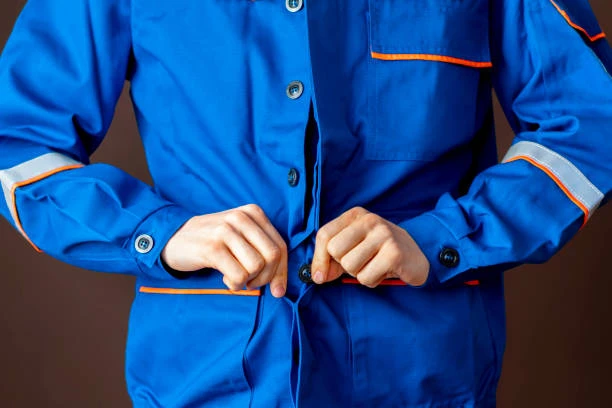
In today’s demanding industrial landscape, uniforms are more than a standard requirement they are a frontline defense for safety, durability, and brand professionalism. Whether employees work in construction, logistics, manufacturing, or heavy engineering, their garments must withstand constant motion, friction, and environmental exposure. This is where advanced Stitching Techniques for Industrial workwear make a measurable difference. Seam strength directly impacts garment lifespan, worker comfort, and operational efficiency.
Businesses that invest in premium Industrial Stitching Techniques understand that durability begins at the construction stage. High-quality seam engineering reduces garment failure, minimizes replacement costs, and enhances safety compliance. At Futuremind uniforms, precision craftsmanship and reinforced construction are prioritized to deliver dependable industrial apparel. When the stitching is strong, the entire workwear performs better protecting both your workforce and your long-term investment.
Expert Guide to Reinforced Stitching Techniques for Industrial Apparel
1. Lockstitch: The Core of Industrial Strength
Lockstitch is widely recognized as a foundational method in Stitching Techniques for Industrial garments. By interlocking two threads securely within the fabric layers, it forms a tight, balanced seam that resists unraveling. This technique performs exceptionally well with thick materials such as twill, denim, and canvas. Its consistent tension control ensures structural reliability across major seam lines. In industrial settings where garments face daily stress, lockstitch provides dependable durability and long-term seam stability.
2. Double-Needle Stitching: Reinforcement through Redundancy
Double-needle stitching enhances garment resilience by placing two parallel stitch lines along critical seams. This dual-layer reinforcement distributes pressure more evenly, significantly lowering the risk of seam splitting. Frequently applied to shoulders, side seams, and trouser legs, it adds structural integrity without restricting mobility. For industries involving repetitive bending, lifting, or stretching, this method ensures workwear maintain strength and appearance even after extended use and frequent washing cycles.
3. Bar Tack Stitching: Securing High-Stress Points
Bar tack stitching consists of compact, dense stitches applied to targeted stress areas such as belt loops, pocket corners, and zipper bases. Although small in size, these reinforcements prevent tearing caused by repeated pulling or weight strain. In industrial workwear, bar tacks function as critical support points, ensuring essential components remain intact. This focused reinforcement dramatically improves garment reliability in fast-paced, physically demanding work environments.
4. Flat-Felled Seams: Maximum Durability for Heavy Use
Flat-felled seams are engineered by folding raw fabric edges inward and stitching them flat, fully enclosing the seam. This method eliminates fraying while creating an exceptionally strong, abrasion-resistant finish. Commonly used in industrial jackets and trousers, flat-felled seams withstand continuous friction from machinery, tools, and rough surfaces. Their clean internal finish also enhances wearer comfort, making them ideal for long shifts in high-intensity workplaces.
5. Overlock and Safety Stitching: Long-Lasting Edge Protection
Overlock stitching wraps thread around fabric edges to prevent unraveling, while safety stitching adds a secondary reinforcement line for enhanced security. Together, these techniques strengthen seam edges and preserve fabric integrity during heavy use and repeated industrial laundering. This combination is especially beneficial for uniforms exposed to harsh cleaning processes. By protecting vulnerable edges, overlock and safety stitching contribute to extended garment life and consistent performance.
6. Zigzag Stitching: Flexibility without Compromise
Zigzag stitching introduces controlled elasticity into garment construction, allowing seams to expand slightly under tension. This flexibility is particularly valuable in stretch panels, waistbands, and high-mobility zones. By reducing stress buildup during bending or lifting, zigzag stitches help prevent thread breakage. In industrial workwear, where comfort and durability must coexist, this technique ensures garments adapt to movement while maintaining structural strength.
7. High-Tensile Threads: Strength at the Fiber Level
The effectiveness of reinforced seams depends heavily on thread quality. High-tensile threads, such as bonded nylon and industrial-grade polyester, are engineered to resist abrasion, heat, chemicals, and moisture. These threads maintain their strength even after repeated washing cycles and exposure to demanding environments. When integrated into advanced seam construction, they significantly enhance overall garment durability, ensuring workwear perform reliably in tough industrial conditions.
8. Seam Sealing and Taping: Enhanced Environmental Resistance
Seam sealing involves applying protective tape or coatings over stitched areas to prevent penetration of liquids, dust, or chemicals. This advanced reinforcement method extends the durability of industrial workwear while improving safety in hazardous workplaces. Particularly valuable in oil, chemical, and heavy manufacturing sectors, sealed seams protect thread from degradation. Combined with strong construction techniques, seam sealing delivers comprehensive performance and protection.
Business Benefits of Reinforced Stitching
- Reduced Replacement Costs: Stronger seams extend garment lifespan, lowering frequent repurchase expenses.
- Improved Workplace Safety: Durable stitching prevents seam failures that could compromise protection.
- Enhanced Brand Image: High-quality workwear reflect professionalism and reliability.
- Higher Employee Confidence: Workers perform better when workwear remain secure and comfortable.
- Better Operational Efficiency: Fewer workwear issues mean less downtime and smoother daily operations.
How to Choose the Right Reinforcement Strategy
- Assess Work Environment Risks: Identify exposure to heat, chemicals, abrasion, or heavy movement.
- Evaluate Fabric Compatibility: Ensure stitching methods match fabric thickness and durability.
- Analyze High-Stress Areas: Focus reinforcement on knees, shoulders, pockets, and seams.
- Consider Laundering Frequency: Choose threads and seams that withstand repeated industrial washing.
- Partner with Experts: Work with experienced manufacturers for reliable, long-term performance solutions.
Conclusion
In industrial environments where performance and safety are paramount, seam construction cannot be overlooked. Advanced Stitching Techniques for Industrial workwear ensure garments withstand constant strain while maintaining comfort and professional appearance. From lockstitch foundations to targeted bar tacks and environmental seam sealing, each method contributes to superior durability.
By investing in expertly engineered, customized workplace uniforms, businesses protect their teams, reduce long-term costs, and strengthen brand credibility. Reinforced stitching is not just a technical detail it is a strategic commitment to quality, reliability, and operational excellence.




























Sign in to leave a comment.