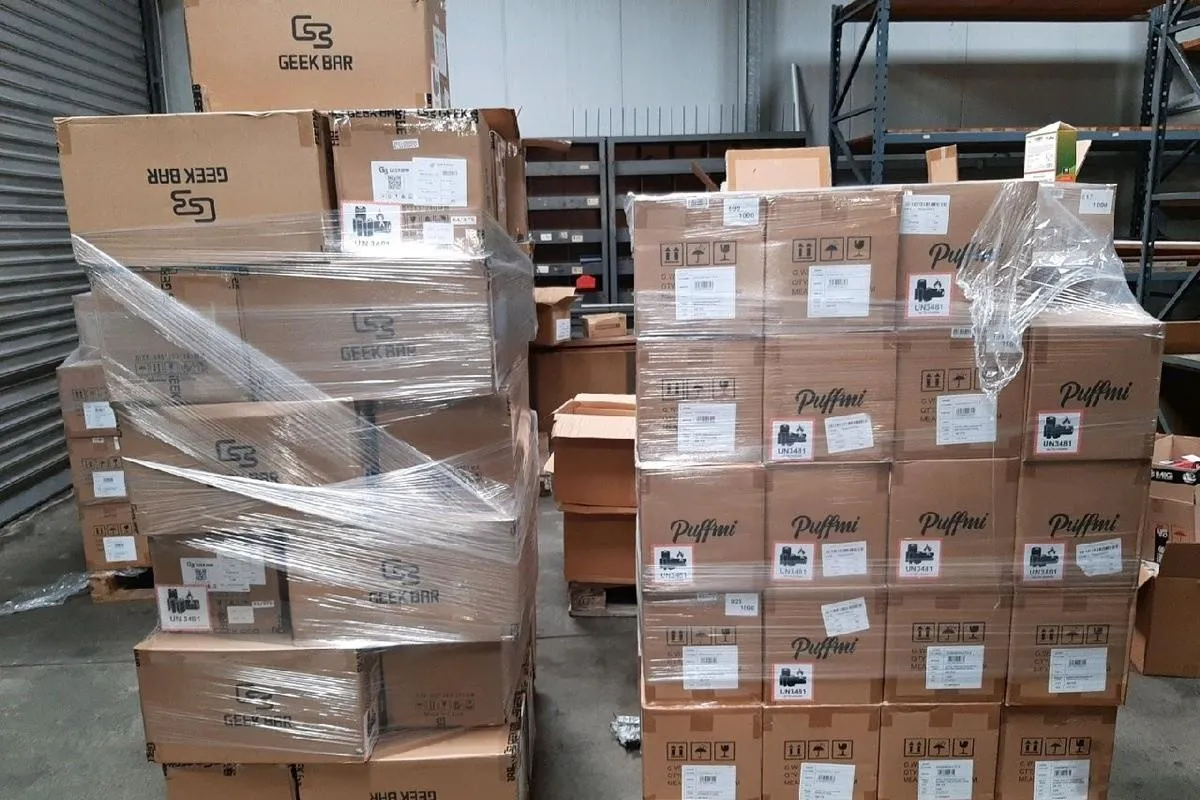

Finding a dependable vape distributor for smoke shops is an important part of maintaining consistent inventory, protecting product quality, and managing operating costs. For smoke shop owners, choosing a distribution partner involves much more than finding the lowest wholesale price. A reliable distributor should offer consistent products, transparent commercial terms, dependable fulfillment, appropriate documentation, and professional customer support.
The vaping market can change quickly, and product availability, regulations, consumer preferences, and supplier performance can all affect purchasing decisions. Smoke shop owners therefore need a practical process for evaluating distributors before committing to regular orders.
This guide explains what to look for when comparing vape distributors and how to build a supply relationship that supports responsible, compliant business operations.
Why the Right Vape Distributor Matters
A distributor sits between manufacturers and retailers, making its reliability directly relevant to a smoke shop's day-to-day operations. If a distributor consistently delivers the right products on time, inventory planning becomes easier. If shipments are delayed or products arrive with inconsistent specifications, the retailer may face stock shortages and customer complaints.
The right vape wholesale distributor can help a smoke shop maintain an organized purchasing process while reducing avoidable supply-chain problems.
However, a distributor should be evaluated on its overall business value rather than its advertised product prices alone.
1. Verify the Distributor's Business Credentials
Before placing an order, establish that the distributor is a legitimate business operating within the applicable legal framework.
Look for verifiable business information, a physical business presence where appropriate, clear contact details, written terms and conditions, and professional ordering procedures. Depending on the jurisdiction and product category, the distributor may also need specific licenses, registrations, permits, or other authorizations.
Do not rely exclusively on a distributor's website or marketing claims. Independent verification is especially important when purchasing regulated products.
A legitimate distributor should be willing to explain its business practices and provide relevant documentation without making unrealistic promises.
2. Check Product Quality and Consistency
Product quality should be one of the highest priorities when selecting a vape distributor for smoke shops.
A distributor may carry products from multiple manufacturers, so retailers should understand exactly what they are purchasing. Review product specifications, packaging, labeling, batch information, and other relevant details.
Where legally permitted, evaluating samples before committing to a substantial order can help identify quality or packaging issues.
Look Beyond the Product's Appearance
Professional packaging does not automatically guarantee product quality. Ask whether the distributor can provide appropriate documentation and information about the products' origin and specifications.
For repeat purchases, consistency matters just as much as initial quality. A product should continue to match the agreed specifications across subsequent shipments.
3. Understand Pricing and Minimum Order Quantities
Wholesale pricing is naturally important to a smoke shop, but comparing prices requires more than looking at the advertised unit cost.
Consider the complete purchasing cost, including applicable shipping, handling, taxes, duties, and other legitimate expenses. Also review minimum order quantities, or MOQs.
A distributor offering a lower unit price may require a large order that creates unnecessary inventory exposure. Conversely, a slightly higher unit price with practical MOQs and dependable fulfillment may provide better overall value.
Before ordering, calculate the expected cost per sellable unit and compare distributors on equivalent products and quantities.
4. Evaluate Inventory Availability
Inventory availability can be a major differentiator between distributors.
Ask potential suppliers how frequently they replenish stock and whether popular products are normally available. You should also understand how they communicate shortages or discontinued products.
A reliable distribution partner should provide realistic information about availability rather than encouraging retailers to depend on products that are difficult to replenish.
Good inventory management can help smoke shops avoid both prolonged stockouts and unnecessary over-ordering.
5. Examine Shipping and Delivery Performance
Fast shipping is useful, but predictable shipping is often more valuable.
Ask about standard processing times, shipping methods, order cut-off times, tracking information, and procedures for damaged or incomplete deliveries.
If your business depends on regular replenishment, establish how quickly the distributor normally processes orders after payment or order confirmation.
A useful distributor should communicate proactively when circumstances affect delivery schedules.
6. Review Compliance and Product Documentation
Compliance should be part of the distributor-selection process from the beginning.
Vape and nicotine products can be subject to requirements concerning manufacturing, ingredients, nicotine content, packaging, labeling, sales, age restrictions, advertising, importation, and distribution. These requirements vary by country, state, province, and sometimes locality.
A retailer should verify the rules applicable to its location and product category before purchasing inventory.
Depending on the market, relevant records may include product specifications, testing information, ingredient information, safety documentation, registration details, or other legally required materials.
Don't Assume Compliance
A product being available from a distributor does not necessarily mean that it is authorized for sale in every market.
Smoke shop owners should independently confirm applicable requirements and retain appropriate business records. Where regulations are complex, professional legal or compliance advice can provide additional protection.
7. Look for Transparent Ordering Terms
A professional smoke shop vape distributor should make its commercial terms easy to understand.
Before opening an account or placing an order, review:
- Wholesale pricing
- Minimum order requirements
- Payment terms
- Shipping charges
- Return policies
- Defective-product procedures
- Order cancellation rules
- Lead times
- Product specifications
- Applicable taxes or fees
Avoid relying on verbal agreements for important commercial conditions. Written terms make expectations clearer and provide a useful reference if a dispute arises.
8. Assess Customer Service
Customer service becomes especially important when something goes wrong.
A distributor may appear excellent during the initial sales process, but the real test comes when an order is delayed, an item is unavailable, or a shipment contains an issue.
Pay attention to response times and the quality of answers provided before becoming a regular customer. Does the representative answer questions directly? Are product details clear? Are shipping and return policies explained?
Strong communication can make an ongoing wholesale relationship significantly easier to manage.
9. Consider Product Range and Business Fit
The best distributor is not necessarily the one with the largest catalog.
A smoke shop should look for a product range that matches its legal inventory requirements, customer demand, store positioning, and purchasing capacity.
Consider whether the distributor offers the categories you actually need, along with suitable order quantities and dependable availability.
A focused distributor with strong knowledge of its product categories can sometimes be more useful than a supplier carrying thousands of products without consistent stock.
10. Research Reputation and Customer Experiences
Online research can help identify potential warning signs, but reviews should be interpreted carefully.
Look for patterns rather than relying on one positive or negative review. Pay attention to recurring complaints about shipping delays, inaccurate orders, product quality, billing issues, or customer service.
You can also investigate the distributor's business history, industry presence, and publicly available information.
A distributor with a transparent track record is generally easier to evaluate than one with little verifiable information.
Build a Distributor Comparison Checklist
Instead of choosing a supplier after a single conversation, compare several candidates using the same criteria.
A simple evaluation can include:
| Factor | What to Evaluate |
|---|---|
| Product quality | Specifications, consistency, packaging |
| Pricing | Unit price and total acquisition cost |
| MOQ | Minimum practical order size |
| Inventory | Availability and replenishment |
| Delivery | Processing times and tracking |
| Documentation | Relevant compliance records |
| Customer service | Responsiveness and problem resolution |
| Returns | Defective and damaged product procedures |
| Reputation | Independent business information and reviews |
| Scalability | Ability to support future purchasing needs |
This makes the decision more objective and reduces the temptation to choose based solely on price.
Red Flags to Watch For
Several warning signs deserve additional scrutiny.
Be cautious when a distributor:
- Refuses to provide basic business information
- Makes unrealistic claims about products or sales
- Cannot explain its documentation
- Frequently changes prices without explanation
- Avoids written commercial terms
- Provides unclear shipping information
- Pressures you into unusually large orders
- Has repeated complaints involving fulfillment or product authenticity
- Cannot clearly explain applicable compliance requirements
One warning sign may not prove that a distributor is unreliable, but several together should prompt further due diligence.
Start Small and Scale Carefully
For a new distribution relationship, a cautious approach can reduce risk.
After confirming that the distributor and products are legally appropriate for your market, consider beginning with an order size that fits your normal purchasing requirements rather than immediately committing substantial capital.
Evaluate the experience from ordering through delivery. Check whether the products, quantities, packaging, documentation, and delivery performance match expectations.
If the relationship performs consistently, you can gradually increase purchasing volume.
Final Thoughts
Finding a dependable vape distributor for smoke shops requires a comprehensive evaluation of quality, pricing, inventory, fulfillment, documentation, customer service, and business reputation.
The strongest distributor is not necessarily the one offering the lowest wholesale price. Instead, look for a partner that provides predictable supply, transparent terms, consistent products, responsive support, and appropriate compliance documentation.
Most importantly, smoke shop owners should verify the laws and regulations applicable to their location and product category before purchasing or selling vaping products. Regulations can change, and responsibility for lawful retail operations ultimately requires careful due diligence.
By taking a structured approach to distributor selection, smoke shops can make more informed purchasing decisions, reduce supply-chain surprises, and build professional relationships with legitimate distribution partners.





















Sign in to leave a comment.